








3. The assistant effectively pulls
In order to obtain a good surgical field, in addition to exposing the surgical field with the aid of gravity displacement, it is necessary to stretch the obstructive structure, and this kind of active stretching is the kingly way. As mentioned earlier, the most noteworthy are the small intestine and the greater omentum in peritoneal ytterbium colorectal surgery.
Because they often slide to various areas of the abdomen, when the omentum or small intestine swims to the surgical field, it will cause a lot of trouble: Small troubles may affect the operation, and big troubles may increase the risk of the operation, and even the off-screen effect may occur.
During the operation, the non-invasive grasping forceps can be used to gently pull the above-mentioned structures to the opposite side of the lesion. Two points need to be paid attention to when pulling: strength and direction.
First, strength is the core of ensuring effective traction.
The pulling force cannot be too large or too small, too much force may damage organs or tissues; Too small a force cannot provide effective tension, which is not conducive to the main knife accurately entering the correct level of dissociation. Such unreasonable tension, Talking to the small may extend the separation operation time of the operation, talking to the big, or increase the side injury of the operation, laying the groundwork for the complications of the postoperative patient!
Second, pay attention to the direction when pulling.
In the right hemicolectomy, the assistant can pull the omentum up to the upper transverse colon, while pushing the loop of the small intestine to the pelvis; When performing a left hemicolectomy, the assistant's two operating instruments pull the fixed sigmoid colon to the left and cephalic.
In the above two examples, it is shown that the purpose of stretching is not only to assist in exposing the visual field, but also to provide effective layer cutting tension for the surgeon.
Therefore, we often say: tension first, plane second, blood vessels third, regional lymphatic fourth.
Such a sequence emphasizes the proper sequence of operations for surgery. If there is no tension, surgery is performed blindly, which is tantamount to blind horses in the pool, and it is strange if there is no problem.
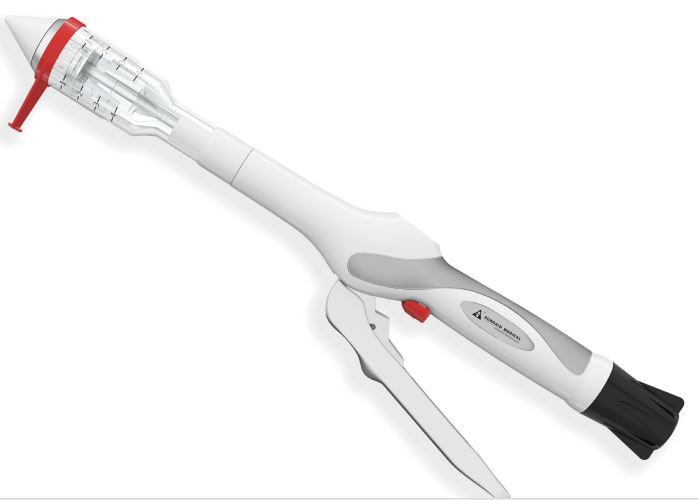
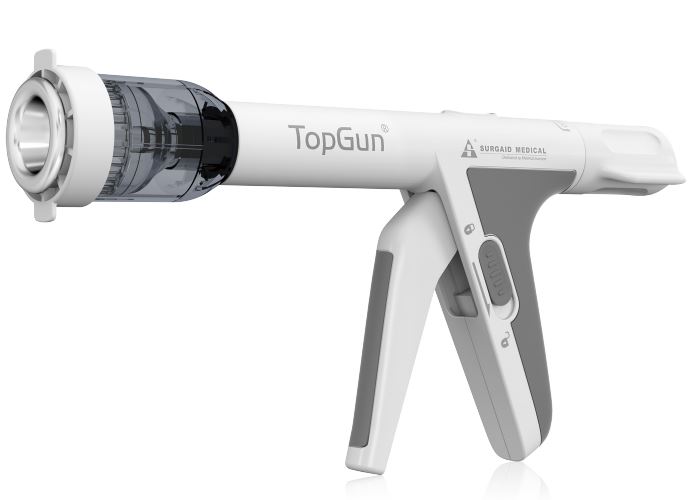
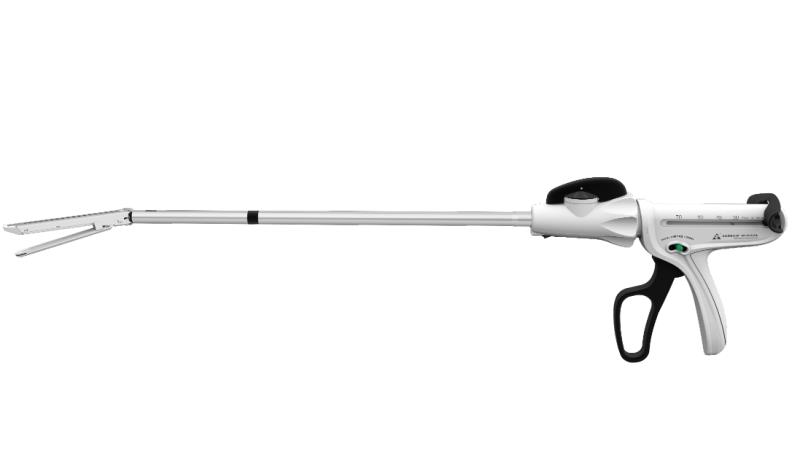
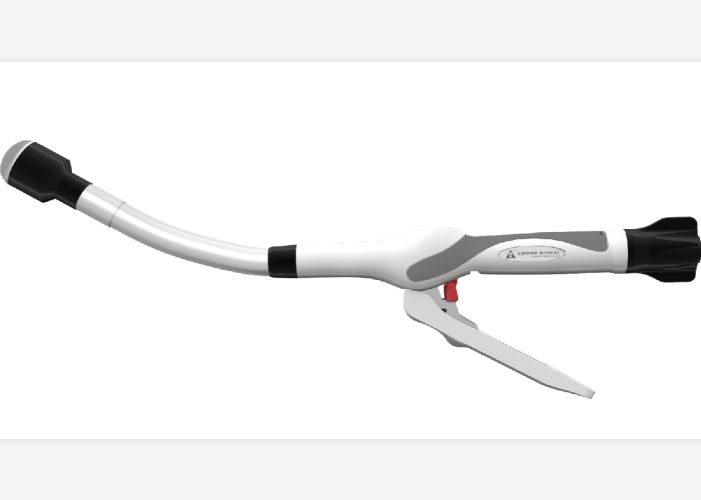
Surgaid products:
For more product information at https://www.surgaid-medical.com