








The development of minimally invasive surgical techniques in gastric cancer surgery
In 1994, Japanese scholar Kitano and others applied laparoscopic technology to the surgical treatment of gastric cancer for the first time. Ke Chongwei was the first to report the successful case of laparoscopy for radical gastric cancer in my country in 1999. Although laparoscopic surgery in my country started late, it has developed rapidly. The Chinese Gastrointestinal Tumor Surgery Union counted 61,646 cases of gastric cancer in 73 medical centers across the country in 2014 and 2015. The proportion of patients with early and locally advanced gastric cancer who underwent laparoscopic surgery was 35% and 30%, respectively. Japan and South Korea, both of which are countries with a high incidence of gastric cancer, have seen an increase in the rate of minimally invasive gastric cancer surgery from 25% and 25.8% in 2009 to 64% and 50.1% in 2014. At the same time, the indications of laparoscopic radical gastric cancer have been further expanded, from the treatment of early gastric cancer to advanced gastric cancer. In recent years, the comparative study of minimally invasive surgery and open surgery in the surgical treatment of gastric cancer liver metastases performed by our center shows that the application of minimally invasive surgery can also obtain better short-term and long-term benefits in patients with stage IV gastric cancer liver metastases.
Application of 3D laparoscopy in gastric cancer surgery
The 3D laparoscopy technology is developed on the basis of the more mature 2D laparoscopy. The two have many similarities or similarities on the operating platform, but there are obvious differences in imaging.
Because of its two-dimensional imaging, the 2D laparoscopic system makes it impossible for the surgeon to accurately judge the anatomical relationship of various organs and tissues because of the lack of depth in vision. It takes a period of time to be familiar with and adapt to the depth of the 2D laparoscope during the operation. In contrast, the 3D image presented by the 3D platform through dual cameras and digital image processing can restore the visual effects of traditional surgery to a greater extent when the surgeon or observer wears 3D glasses, which can be described as "located in the abdominal cavity" Perform surgical operations.
Since 3D laparoscopy entered the clinic, many studies have explored the difference between 3D and 2D laparoscopy. The two major advantages of 3D laparoscopy are: (1) The construction of depth of field facilitates the identification of the three structures by the surgeon, facilitates the identification and operation of complex structures, reduces operation errors and shortens the operation time; (2) By restoring the real field of vision, it is convenient for the surgeon to quickly become familiar with the platform and adapt to the operation under the 3D visual effect, thereby shortening the learning curve.
Storz et al. randomly grouped medical students and senior surgeons, and performed standardized surgical model tasks under 2D and 3D laparoscopic systems, respectively, to explore the differences between the two operating platforms. The results showed that whether they are beginners or experienced All operations performed by the physician under the 3D system can reduce errors and take less time to complete the operation. Kong et al. also pointed out that the 3D system can reduce operating errors. The EMG measurement shows that the 3D system can reduce the use of the right hand and increase the use of the left hand, which is beneficial to the balance of the two-hand operation.
Related studies by Kanaji et al. showed that the operation time under 3D laparoscopy for total gastrectomy for gastric cancer is significantly less than that of 2D laparoscopy, and the operation at key parts is faster, visual field adjustment and reconstruction are reduced, but there is a difference in intraoperative blood loss. No statistical significance.
Related domestic research results also show that compared with 2D surgery, 3D surgery can shorten the operation time, reduce the amount of intraoperative blood loss and the number of surgical errors, shorten the learning curve, and the number of intraoperative lymph node dissections, postoperative air exhaust, and postoperative hospital stay , There was no statistically significant difference in the incidence of postoperative complications and hospitalization costs. The research results of Huang Changming's team show that 3D surgery can only reduce intraoperative blood loss compared with 2D, and has little effect on other clinical indicators. Although the results of a number of clinical indicators in each study confirmed the advantages of 3D laparoscopy in microscopic operations and radical gastric cancer surgery, there are still some differences in the clinical indicators of each study. The reason for this is that the statistical standards for the qualifications of doctors in different studies, the randomization of doctors' surgical selection, the time of operation under the microscope, and the amount of bleeding are inconsistent, resulting in some differences in results between different studies.
3D laparoscopy also has some limitations. For example, due to its imaging principle, 3D glasses are required for image viewing, which causes an additional burden on the surgeon; The inability of ordinary equipment to display well results in limitations in the communication and dissemination of surgical images; beginners may be prone to dizziness when they first touch the 3D system, and some of the doctors can adapt to the prolonged use of the 3D system.
Surgaid Medical (Xiamen) Co., Ltd
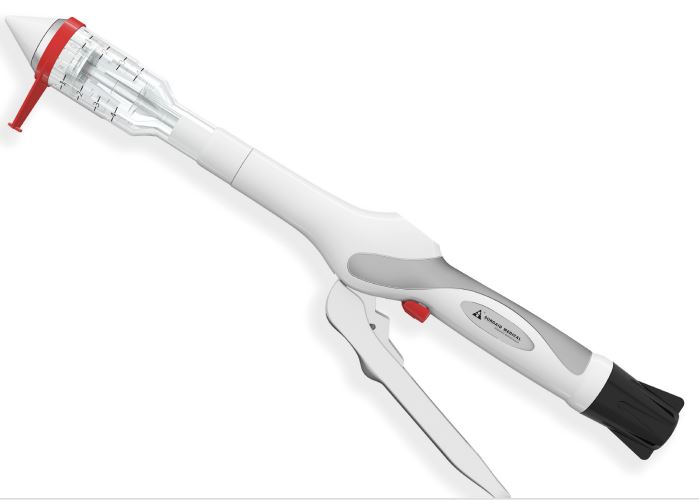
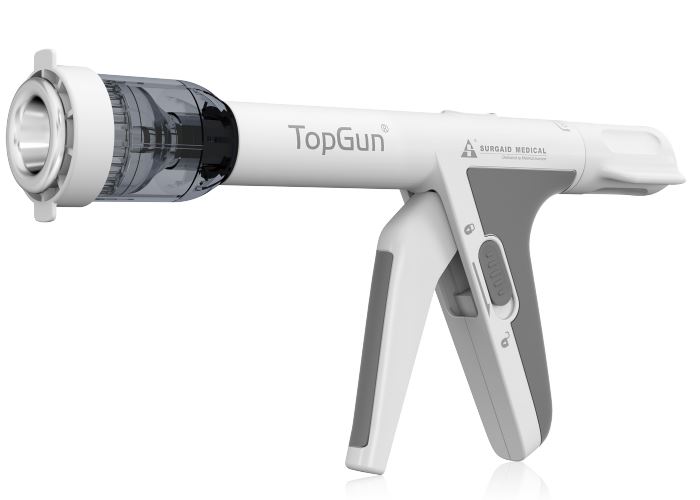
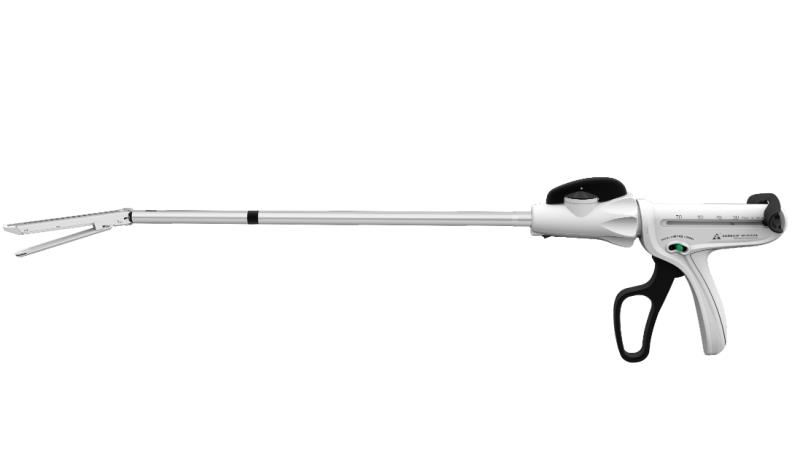
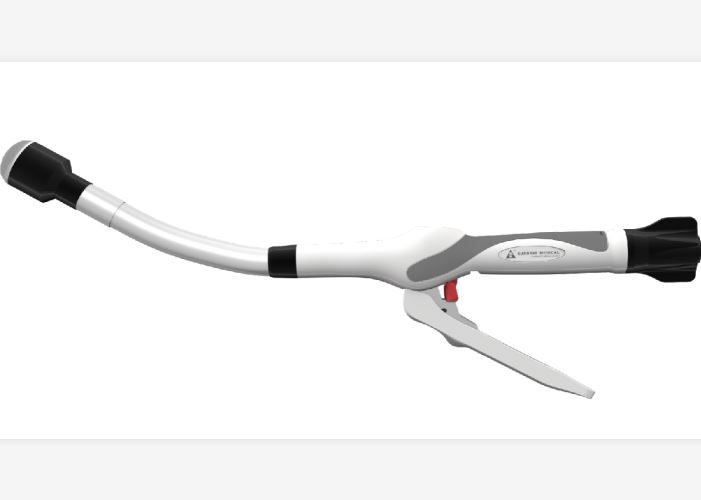
Surgaid Medical (Xiamen) Co., Ltd has been committed to surgical product development ,production and marketing for 10 more years . In particular, minimally invasive surgical products. Minimally invasive surgery is a surgical direction of development. Such as Disposable Laparoscopic Trocar, Linear Cutter Stapler, Circular Stapler, PPH, and so on.
Manufacturing our own Surgical products allows us to have complete control over the design and evolution of our products. We are able to adapt quickly to the constantly evolving healthcare market and offer high quality, single-use, cost-effective solutions that directly compete with global market-leaders.
Surgaid products:
For more product information at https://www.surgaid-medical.com