








If we could not use a specimen retrieval bag?
Some surgeons believe that the gallbladder does not need to be used in LC surgery, and the gallbladder itself is a good fetch bag. Let me analyze this:
1. Gallbladder stones with cholecystitis, inflammation of the gallbladder wall may contaminate the puncture hole. When removing stones from the gallbladder, the wall of the gallbladder may be clipped, resulting in bile contamination and perforation and then infection of the incision. Bile flows into the abdominal cavity and needs to be flushed. Mild biliary peritonitis is inevitable and postoperative discomfort is inevitable.
Stones fall out from the damage of the gallbladder. If the stones are impacted in the puncture hole, the incision will be infected. If they fall into the abdominal cavity (not removed), an abdominal abscess may form.
2. Gallbladder polyps, benign and malignant are unknown, adenoma and early gallbladder cancer contact the puncture hole and easily cause implantation and metastasis. Moreover, regardless of 1, 2 there is a possibility that the clip that clamps the distal end of the cystic duct will be lost in the puncture hole.
Therefore, compared with the cost of taking the bag (it can also use extremely low-cost or even no-charge materials such as gloves, film packaging, etc.), it increases the probability of abdominal or incision infection, prolongs the hospital stay, and reduces postoperative comfort for patients. Personal opinion : Why not use it.
Use the correct posture of specimen retrieval bag?
The importance of taking bags (including consumables, self-made gloves, film packaging bags, etc.) is to wrap the specimen in it, and pull the opening out of the puncture hole (it is easier to pull the opening into the puncture and pull it out together), and then Operate inside the bag with endoscopic stone-removing forceps to clamp the specimen.
Pulling the bag violently, or inserting clamps in the bag without clearly seeing the tip of the device will damage the bag and cause the above-mentioned pollution. Many doctors dislike the poor quality of the collection bags, specimen bags, and gloves. This is really wronging them. When fetching objects, keep the bag wall tension-free, and achieve tension-free fetching of objects and stones (this statement was proposed by Teacher Zhou Zhenxu of our hospital).
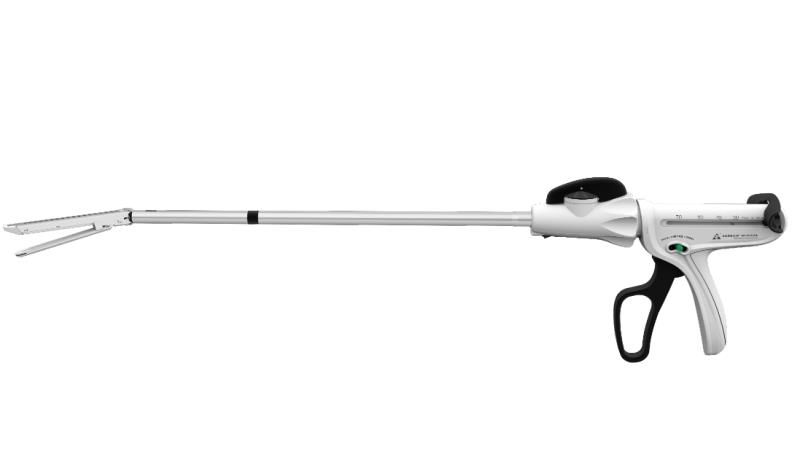
The endoscopic stone-removing forceps (pictured) are rod-shaped after being closed, and can be inserted into the bag along the puncture hole tunnel. The bag has a large space, and then open the first end for operation.
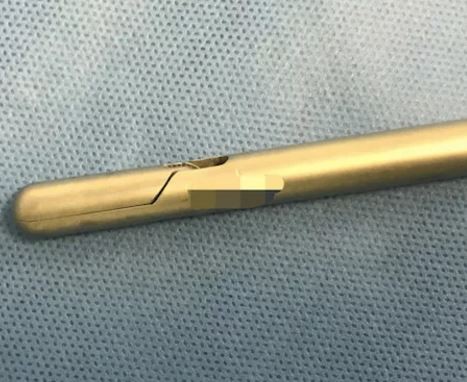
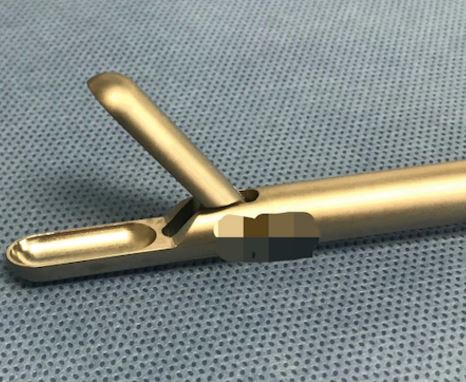
The head is rounded and the direction can be adjusted under the lens. Compared with other instruments, it is less likely to bite into the bag wall. It has a strong bite force and can bite stones.
Moreover, each bite can tear off a piece of tissue equivalent to the volume of the head when removing the gallbladder. Unlike the vascular forceps, the oval forceps keep slipping, which makes people laborious and easily discouraged and irritable. Regardless of the size of the gallbladder with thickened inflammation, you will see the light when you take it patiently with the endoscopic stone removal forceps.
Tear the gallbladder wall, the bile flows into the retrieval bag, the aspirator sucks up the bile, and after all the gallbladder wall is taken out, the stones will not slip easily. Remember not to have any luck each time you get to the end. Ideally, pull the bag out of the abdominal cavity by force. It is easy to damage the bag and give up all previous efforts. After taking the last few strokes patiently, the pressure of the pneumoperitoneum will blow out the bag as much as possible. good.
Surgaid Medical (Xiamen) Co., Ltd
Surgaid Medical (Xiamen) Co., Ltd has been committed to surgical product development ,production and marketing for 10 more years . In particular, minimally invasive surgical products. Minimally invasive surgery is a surgical direction of development. Such as Disposable Laparoscopic Trocar, Linear Cutter Stapler, Circular Stapler, PPH, and so on.
Manufacturing our own Surgical products allows us to have complete control over the design and evolution of our products. We are able to adapt quickly to the constantly evolving healthcare market and offer high quality, single-use, cost-effective solutions that directly compete with global market-leaders.
Surgaid products:
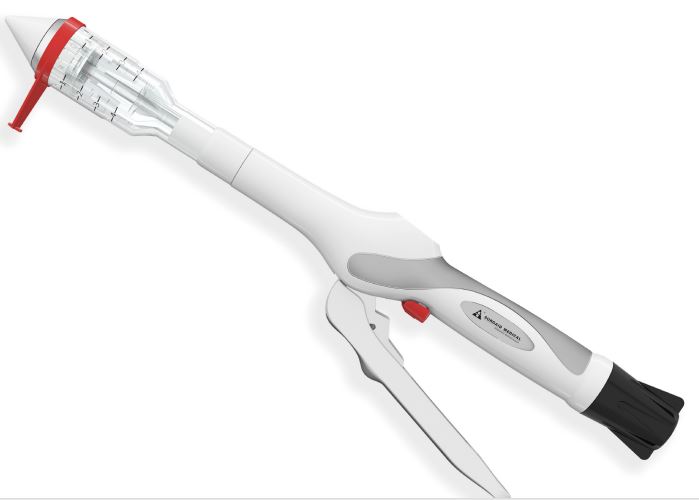
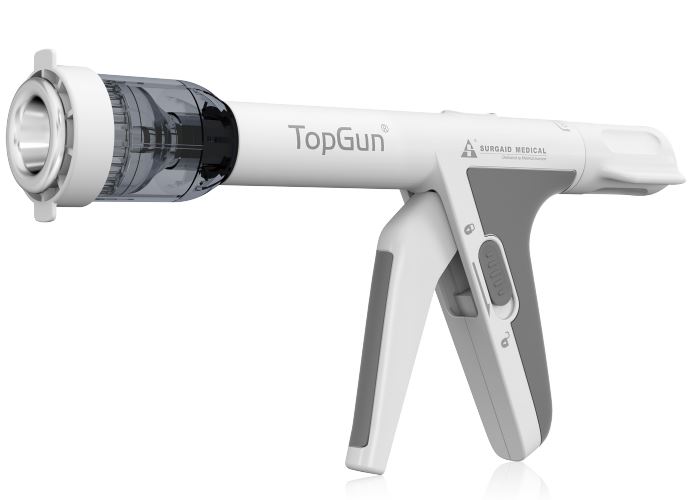
For more product information at https://www.surgaid-medical.com