








How to choose pneumoperitoneum pressure?
According to research, the pneumoperitoneum pressure of 12 mm Hg during laparoscopic colorectal cancer surgery has little effect on the hemodynamics of patients, and the patients wake up quickly after surgery. Pneumoperitoneum pressure at 15 mm Hg will cause the patient's pulse pressure to drop, heart rate to increase, and blood oxygen saturation to drop, but its effects can be offset by the body's physiological compensation mechanism.
When performing laparoscopic breastfeeding for most thyroidectomy, keep the internal jugular vein pressure and CVP above 8 mmHg during the operation, so that there is no need to worry about gas embolism.
When the intra-abdominal pressure (IAP) is 8 mmHg, the incidence and severity of venous thrombosis is lower than that of surgical patients with IAP of 16 mmHg. Even if the IAP is 10 mmHg, the hemodynamics of the elderly with vascular disease is still Significant changes will occur.
Based on the above, combined with the usual surgical experience, the author believes that setting the pneumoperitoneum pressure within the range of 10-15 mmHg is basically a safe range.
The pressure of 10 to 12 mmHg can not only meet the needs of surgical operations, but also weaken the discomfort of patients after surgery, which is conducive to rapid recovery. On this basis, it will be more beneficial to patients if the operation can be performed with a low pneumoperitoneum. When the pneumoperitoneum is high, the intraoperative index changes must be closely monitored.
Intervention
In addition, we also need to know what interventions can effectively deal with related problems caused by pneumoperitoneum.
1. Hemodynamic testing indicators and respiratory and circulatory parameters are important indicators for detecting the circulatory system such as the heart and lungs of patients. Intraoperative monitoring is essential, especially for long-term, high-flow operations.
2. Warm and moist carbon dioxide can greatly reduce the secretion of inflammatory cytokines, reduce the patient's sensitivity to pain, reduce oxygen consumption, and reduce changes in blood coagulation, which has a positive effect.
3. The continuous compression device (SCD) can provide a continuous pressure gradient of the lower extremities, thereby accelerating venous blood flow and promoting venous emptying. It is beneficial and important to prevent venous thrombosis of the lower extremities. Active intervention should be required when conditions permit.
4. Ethyl nitrite can maintain the biological activity of nitric oxide to maintain the non-ischemic state of internal organs in a long-term pneumoperitoneum state, which may be a measure to prevent ischemia of abdominal internal organs.
5. For long-term and complicated laparoscopic surgery, low pressure pneumoperitoneum, ischemic preconditioning, vasoactive drugs and calcium channel blockers can be used to reduce ischemia-reperfusion injury.
6. After the operation, it is necessary to exhaust the carbon dioxide in the abdomen as soon as possible. After the operation, the patient is encouraged to exercise respiratory function to promote the renewal and absorption of lung gas. Should shoulder and neck pain occur, promptly explain the cause to the patient and family members, and encourage them to relieve symptoms through massage, hot compress and exercise.
In addition, clinicians must strictly screen the indicators of laparoscopic surgery, especially for elderly patients with vascular disease. We can also try laparoscopic surgery without pneumoperitoneum, which may be a better choice for long-term surgery.
Surgaid Medical (Xiamen) Co., Ltd
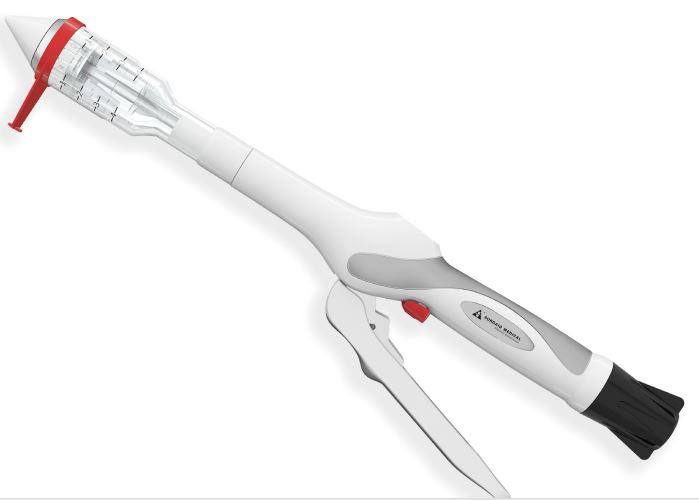
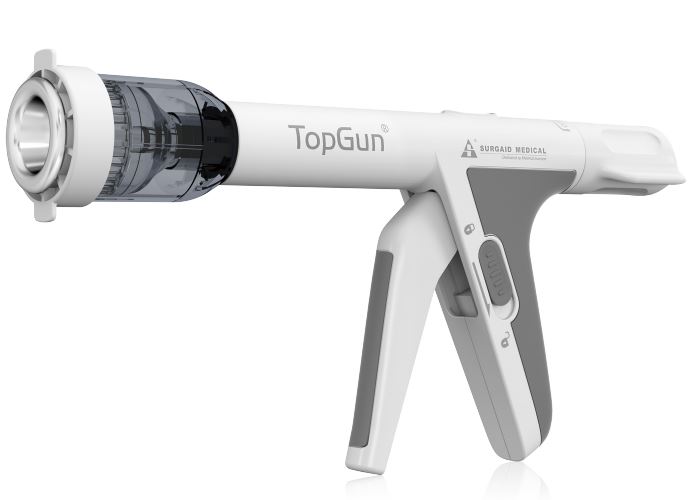
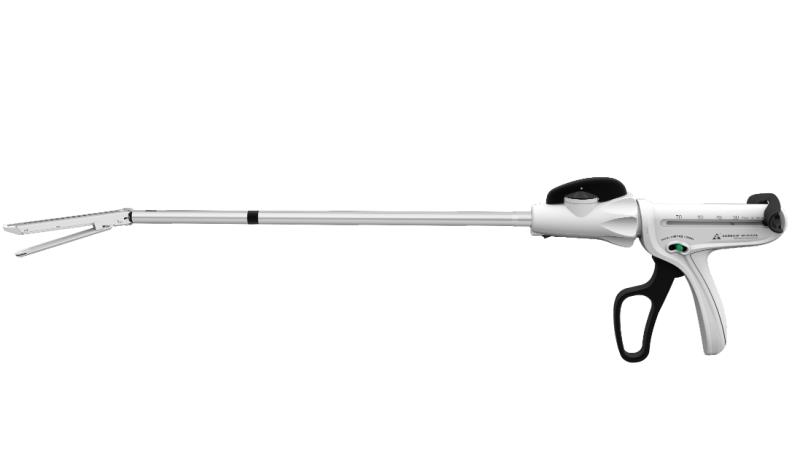
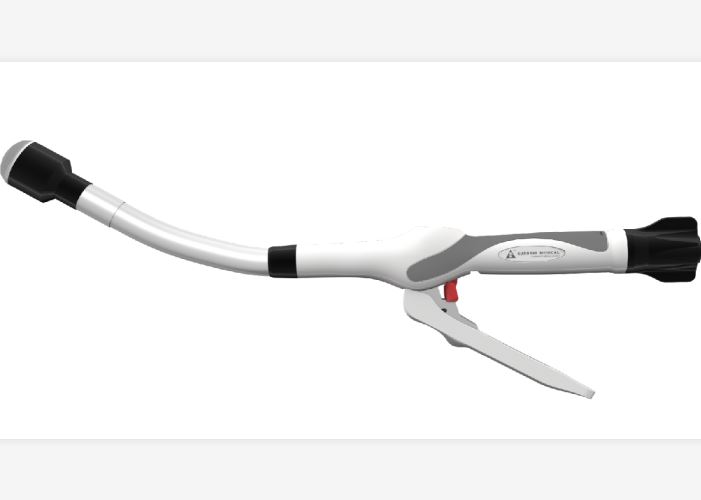
Surgaid Medical (Xiamen) Co., Ltd has been committed to surgical product development ,production and marketing for 10 more years . In particular, minimally invasive surgical products. Minimally invasive surgery is a surgical direction of development. Such as Disposable Laparoscopic Trocar, Linear Cutter Stapler, Circular Stapler, PPH, and so on.
Manufacturing our own Surgical products allows us to have complete control over the design and evolution of our products. We are able to adapt quickly to the constantly evolving healthcare market and offer high quality, single-use, cost-effective solutions that directly compete with global market-leaders.
Surgaid products:
For more product information at https://www.surgaid-medical.com/