








In 1994, Japan's Kitano et al. first applied laparoscopic technology to the surgical treatment of gastric cancer. After more than 20 years, more and more patients with gastric cancer received laparoscopic surgery, which has become an important means of gastric cancer surgical treatment, especially in East Asia and other countries. Initially, laparoscopic surgery for gastric cancer was mostly done through the "laparoscopic assisted" approach, that is, through auxiliary small incisions to complete the reconstruction of the digestive tract. The advantage is that the surgeon can reconstruct the digestive tract according to the habit of open surgery, which is conducive to mastering. With the maturity and development of laparoscopic technology, total laparoscopic surgery has gradually become a research hotspot. Total laparoscopic surgery needs to complete the reconstruction of the digestive tract under the microscope, and the widely used circular stapler in open surgery and laparoscopic-assisted surgery is limited in its application in total laparoscopic surgery.Many methods that are conducive to the full-abdominal technology round stapler have been proposed, such as: reverse puncture method, transoral stapler nail anvil insertion (OrVil), etc., but the operation process is often more complicated. The application of linear stapler has greatly promoted the development of total laparoscopic surgery. Compared with the circular stapler, the linear stapler can enter the abdominal cavity through Trocar during endoscopic surgery, which is convenient to operate, and the staple cartridge of the stapler is easier to be placed in the digestive tract. And it will not affect the maintenance of pneumoperitoneum pressure during the operation. At present, the commonly used gastrointestinal reconstruction methods in total laparoscopic surgery for gastric cancer, such as triangular anastomosis, esophagus-jejunal side-to-side anastomosis (Overlap anastomosis), etc., are all completed by linear staplers.
Reconstruction model of digestive tract with linear stapler
Compared with the circular stapler, the linear stapler is more suitable for laparoscopic reconstruction of the digestive tract. Although Goh et al. completed the first laparoscopic gastrojejunostomy in 1992, it was not until 2002 that Kanaya et al. [2] began to apply total laparoscopic gastrointestinal reconstruction to gastric cancer surgery. Compared with the circular stapler, the linear stapler can easily enter the abdominal cavity from the Trocar, and it is easier to reconstruct the digestive tract under direct laparoscopic vision. Due to the advantages of the visual field, the effect of the anastomosis is more accurate. At the same time, postoperative abdominal adhesions are often lighter, which makes the postoperative gastrointestinal function recovery more smoothly. In addition, because the circular stapler used today has two rows of staples in the anastomosis line, and the endoscopic linear stapler uses three rows of staples, this makes the anastomosis more precise and safe.
Although the laparoscopic linear stapler can be applied to the reconstruction of different anastomoses, such as esophagus-jejunum anastomosis, stomach-jejunum anastomosis, jejunum-jejunum anastomosis, etc., the basic process of anastomosis is similar, that is, the digestive tract that needs anastomosis is different. To open the opening, extend the two arms of the staple cartridge of the linear stapler into the two digestive tracts for excitation, and finally close the common opening. The basic methods of different anastomosis are similar, but there are certain changes in the details.
Surgaid Medical (Xiamen) Co., Ltd
Surgaid Medical (Xiamen) Co., Ltd has been committed to surgical product development ,production and marketing for 10 more years . In particular, minimally invasive surgical products. Minimally invasive surgery is a surgical direction of development. Such as Disposable Laparoscopic Trocar, Linear Cutter Stapler, Circular Stapler, PPH, and so on.
Manufacturing our own Surgical products allows us to have complete control over the design and evolution of our products. We are able to adapt quickly to the constantly evolving healthcare market and offer high quality, single-use, cost-effective solutions that directly compete with global market-leaders.
Surgaid products:
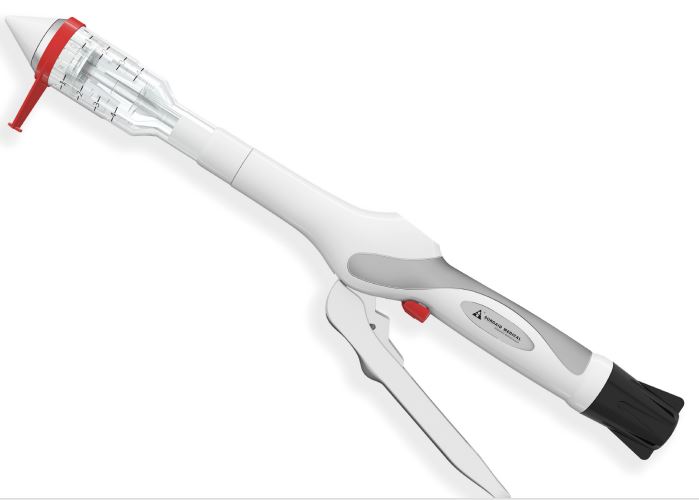
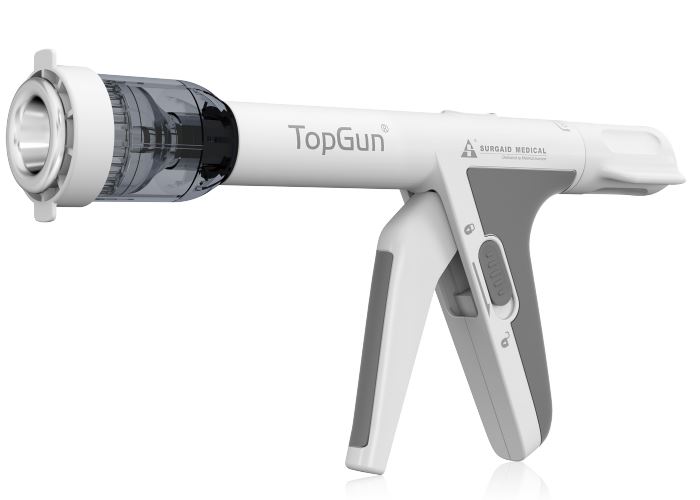
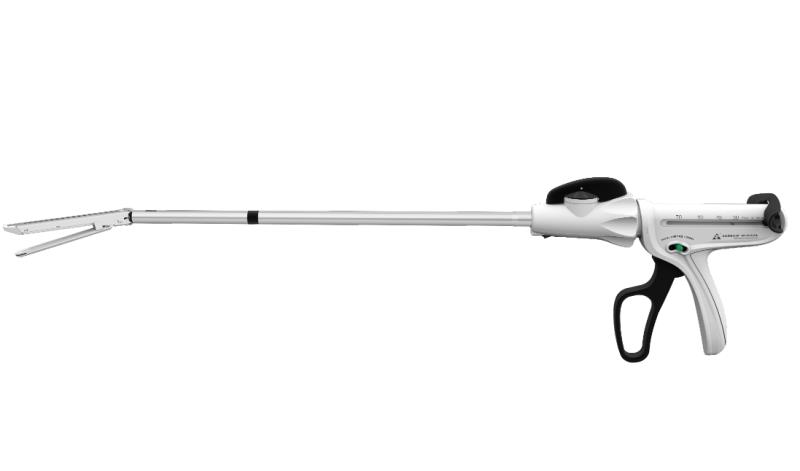
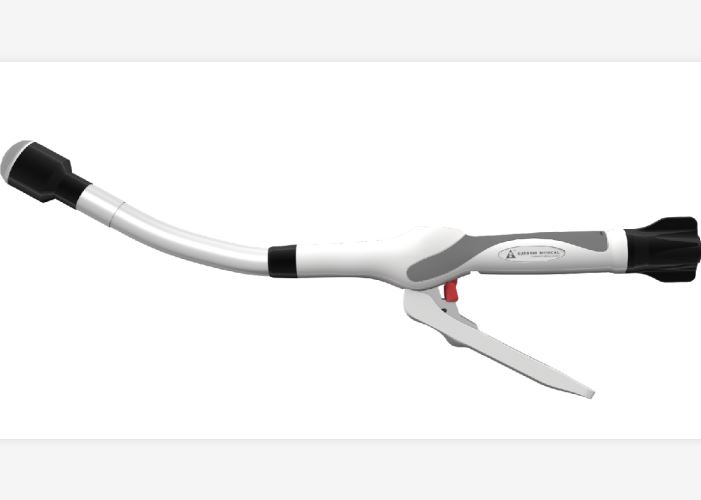
For more product information at https://www.surgaid-medical.com/