








2. Fistula-tract laser closure, FiLaCTM
FiLaC is a new type of sphincter sparing operation first reported by Wilhelm in 2011. The general principle is to use a circular (360°) fiber optic tip and use pulse technology to output laser to instantly accumulate effective energy to act on the target tissue and destroy the fistula and tube wall. Infects necrotic tissues and denatures the tissues. At the same time, the selective photothermal action principle of the laser allows the energy to be concentrated in the target tissues without time to spread to the surroundings, reducing the thermal damage of the normal sphincter. Wilhelm et al. reported that the initial cure of FiLaC was 64.1% (75/117) and 2 patients (1.7%) had mild fecal incontinence through a follow-up of up to 5 years. The second FiLaC operation was performed in 42 uncured patients, and the total cure was 88% (103/117). It is believed that FiLaC has a high initial cure rate and can be repeated treatment, which is suitable for clinical promotion.
In addition, a study believes that the length of the fistula determines the prognosis of FiLaC, and a shorter fistula has a better prognosis. Another study believes that the diameter of the fistula is more important than the length in FiLaC treatment, because the fixed penetration distance of the laser indicates that it may be less effective for a wider fistula or the center of the lumen. From these studies, it can be found that FiLaC has less trauma, short postoperative hospital stay, and fewer complications. Its disadvantage is that it is difficult to deal with the branched fistula, which may lead to recurrence.
In addition, compared to other sphincter sparing procedures, FiLaC has a higher equipment cost.
3. Video-assisted anal fistula treatment, VAAFT
In 2011, Meinero and Mori first reported the clinical study of VAAFT in the treatment of anal fistula. Its operating principle is to use an anal fistula to locate the internal opening and treat the branches of the fistula and the infected foci. There is no need to open the fistula, and the anal sphincter is more completely preserved. Zhang Yuru et al. compared the clinical efficacy of VAAFT and anal fistula incision and thread-drawing in the treatment of anal fistula. The results showed that VAAFT was superior to anal fistula incision and thread-drawing in terms of pain, wound healing days and evaluation of anal incontinence. It can effectively reduce the incidence of postoperative anal incontinence, protect anal function, and is worthy of further clinical promotion. A recent Meta-analysis evaluated the recurrence rate and complication rate of VAAFT. A total of 788 patients were included in 11 studies. The results showed that after a median follow-up of 9 months, a total of 112 cases (14.2%) relapsed, and the complication rate was 4.8%. Studies believe that VAAFT is a safe surgical procedure for the treatment of complex anal fistulas, with good curative effect and low complication rate.
VAAFT is suitable for the diagnosis and treatment of anal fistula. The internal orifice can be accurately located by the endoscope, the operation field is clear, the branches of the fistula and the abscess cavity are easily found, and the anal sphincter is protected. Moreover, the recurrence rate and complication rate are low, and patients hardly need analgesics after surgery. On the other hand, the limitation of this procedure is that the surgeon needs sufficient experience, and the early training needs to invest time. Secondly, the cost of the whole set of VAAFT equipment is relatively high.
4. Endorectal advancement flap, ERAF
ERAF is a sphincter-preserving operation for the treatment of anal fistulas. The surgical procedure is roughly to completely remove the internal mouth and surrounding infection foci, free the "U"-shaped flap above the wound, and move the flap to cover the internal opening, at the source of infection Block the communication between fistulas and infected foci to achieve the purpose of treatment. The 2018 Meta-analysis evaluated LIFT and ERAF in terms of cure rate, recurrence rate, anal incontinence rate, etc. 31 studies were included, a total of 1 307 patients (LIFT 508 cases, ERAF 799 cases), the study showed that LIFT surgery and There was no difference in the cure rate (70%, 72%) and recurrence rate (19%, 22%) of ERAF. The rate of anal incontinence (7.8%) of ERAF was significantly higher than that of LIFT (1.6%). There is no difference between ERAF and LIFT in the cure rate and recurrence rate, but the ability to control stool after LIFT seems to be better. A meta-analysis in 2019 compared the efficacy of anal fistula suppository and ERAF in the treatment of anal fistula during long-term follow-up. A total of 810 patients were included in 11 studies. The results showed that the cure rate of ERAF was higher than that of anal fistula suppository, and the recurrence rate was lower than that of anal fistula suppository. ERAF is superior to anal fistula suppository in terms of cure rate and recurrence rate.
The advantage of ERAF is to protect the anal sphincter, reduce the rate of anal incontinence to a great extent, have less trauma and light pain, and can be treated repeatedly. On the other hand, the efficacy of ERAF varies greatly, and the cure rate ranges from 40% to 85%. The 2016 ASCRS guidelines believe that ERAF has a definite effect, but there are still postoperative recurrences or anal incontinence, usually requiring multiple operations, and the recommended level is 1B.
About Surgaid medical:
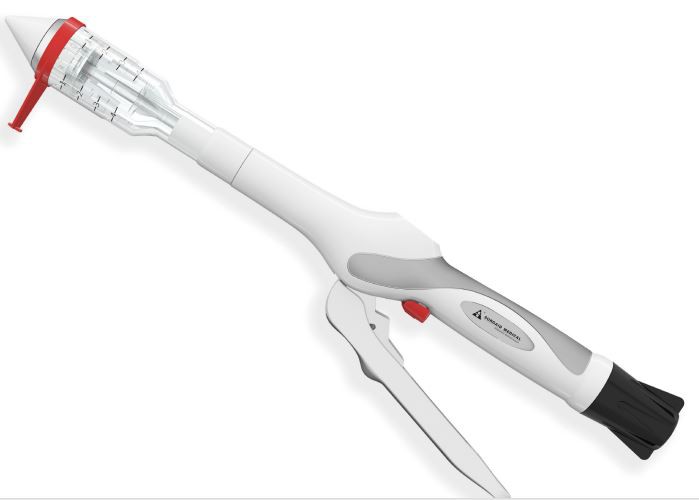
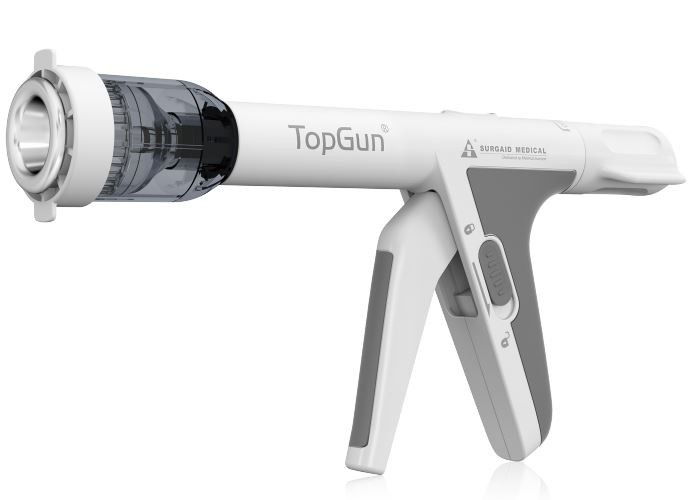
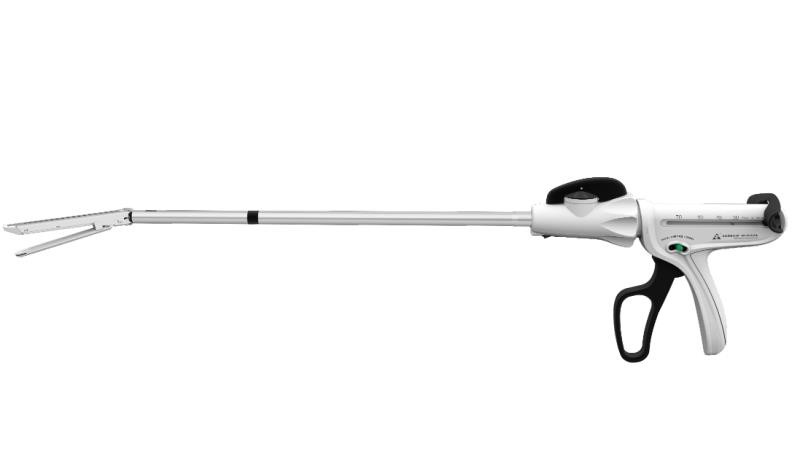
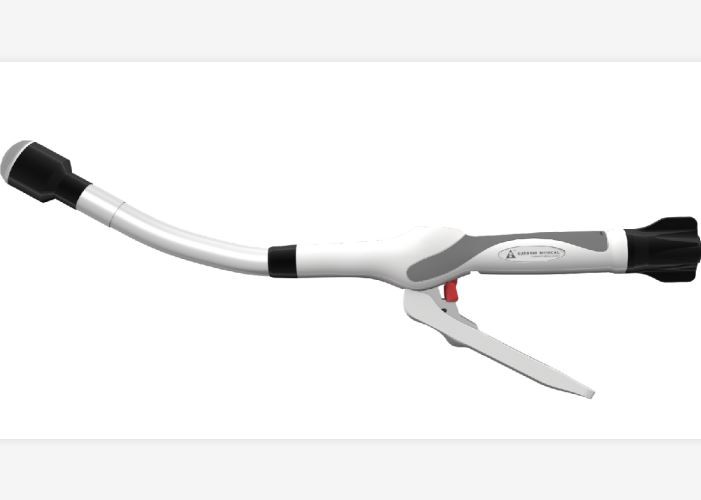
Surgaid Medical (Xiamen) Co., Ltd has been committed to surgical product development ,production and marketing for 10 more years . In particular, minimally invasive surgical products. Minimally invasive surgery is a surgical direction of development. Such as Disposable Laparoscopic Trocar, Linear Cutter Stapler, Circular Stapler, PPH, and so on.
Manufacturing our own Surgical products allows us to have complete control over the design and evolution of our products. We are able to adapt quickly to the constantly evolving healthcare market and offer high quality, single-use, cost-effective solutions that directly compete with global market-leaders.
Surgaid products:
For more product information at https://www.surgaid-medical.com