



1 Reasons for fasting water before surgery
Before answering this question, we need to understand why patients need to abstain from food and drink before elective general anesthesia.
Under normal physiological conditions, the airway defense reflex (including maintaining a certain pressure on the esophageal sphincter) can prevent the reflux of stomach contents into the lungs. However, under general anesthesia, anesthetics and sedative drugs can reduce or even eliminate this reflex. Therefore, patients who cannot fast may have aspiration during the anesthesia process, resulting in complications such as severe aspiration pneumonia and even death.
In order to reduce the occurrence of such serious incidents, traditional clinical practice is to allow patients to fast for 8-12 hours to minimize stomach contents, reduce the risk of aspiration during anesthesia, and reduce the risk of aspiration during aspiration. Ministry of influence.
In the past ten years or so, with the rapid popularization and application of enhanced recovery after surgery (ERAS) in my country, the advocacy of shortening the preoperative fasting time is conducive to reducing the hunger, thirst, nervousness and other adverse reactions of patients before surgery. Help reduce postoperative insulin resistance, relieve catabolism, and shorten postoperative hospital stay.
In addition to patients with delayed gastric emptying, abnormal gastrointestinal motility, and emergency surgery, the "Chinese Expert Consensus and Path Management Guidelines for Accelerated Rehabilitation Surgery (2018 Edition)" advocates that the preoperative fasting time can be appropriately shortened:
1. The prohibition period is postponed to 2 hours before the operation. Before the operation, clear beverages can be taken orally, including water, sugar water, juice without residue, carbonated beverages, tea and black coffee (without milk), excluding alcoholic beverages;
2. The fasting time is postponed to 6 hours before surgery. Starchy solid foods can be consumed before (milk and other dairy products have the same gastric emptying time as solid foods), but fried, fat and meat foods require longer fasting time.
3. Now, we can go back to the original question. Chewing gum is not part of eating, and patients can chew at least 2 hours before surgery. Since chewing gum can promote saliva production, will chewing gum before surgery stimulate gastric juice secretion, increase gastric juice volume, lower gastric acid pH, and increase the risk of anesthesia aspiration?
What does the research data say
Interestingly, there are really relevant clinical studies. In a 1994 study, 77 patients were randomly divided into 3 groups: fasting group (Group 1), fasting chewable gum to the group before entering the operating room (Group 2) and fasting chewable gum to before anesthesia induction (Group 3).
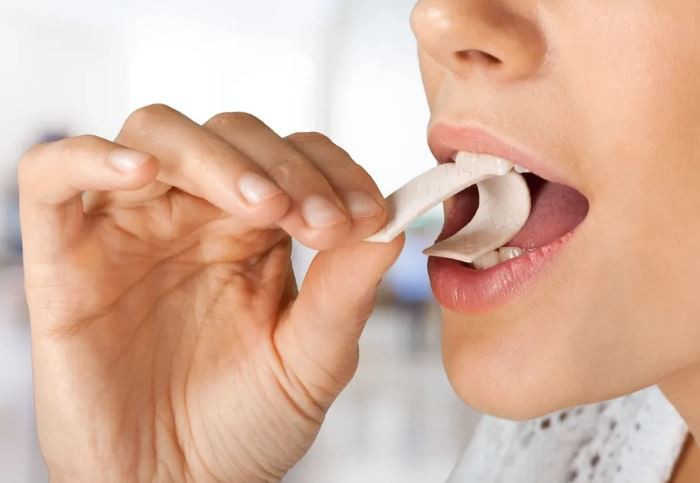
The study found that the average gastric juice content (range) in the 3 groups were:
The average values (ranges) of the gastric juice pH of the three groups were Group 1, 1.8 (1.0-4.6); Group 2, 1.6 (1.3-1.9); Group 3, 1.7 (1.0-4.4).
Finally, it was concluded that the amount of gastric juice and pH value were not statistically different among the three groups of patients, and the patients could chew gum until the induction of anesthesia.
But another study the following year came to a different conclusion. The study randomly divided 60 non-smoking female patients undergoing orthopedic surgery into 2 groups:
Fasting group (Group 1) and fasting chewable gum to the group before entering the operating room (Group 2), found that the amount of gastric juice in the chewing gum group was more (mean 30 +/- 19 mL vs 20 +/- 15 mL; 95% confidence interval (CI) for difference 1-19 mL; P = 0.03), but there is no difference in the pH of gastric acid, and it is recommended that patients undergoing orthopedic surgery should not chew gum before surgery.
Two randomized controlled studies in 2006 and 2012 also reached different conclusions.
Finally, a 2015 meta-analysis that included the above 4 randomized controlled studies (including 287 patients) gave us a clearer answer.
The study found that compared with the fasting group, there was still no difference in the pH value of gastric acid in the chewing gum group before surgery, but the amount of gastric juice increased (mean difference = 0.21 mL/kg; 95% confidence interval, 0.02-0.39; P = .03 ), However, this statistically small increase in gastric juice does not increase the risk of anesthesia aspiration in patients in clinical practice. It is recommended that patients with elective surgery do not need to delay surgery due to chewing gum before surgery.
Now, I believe you can confidently tell the patient that you can relax chewing gum before surgery, because the stomach volume and pH value will not be affected or the effect will be small in this case.
Finally, if the patient accidentally swallows chewing gum, it should be treated as solid food, and the operation should be postponed for more than 6 hours.
About Surgaid Medical
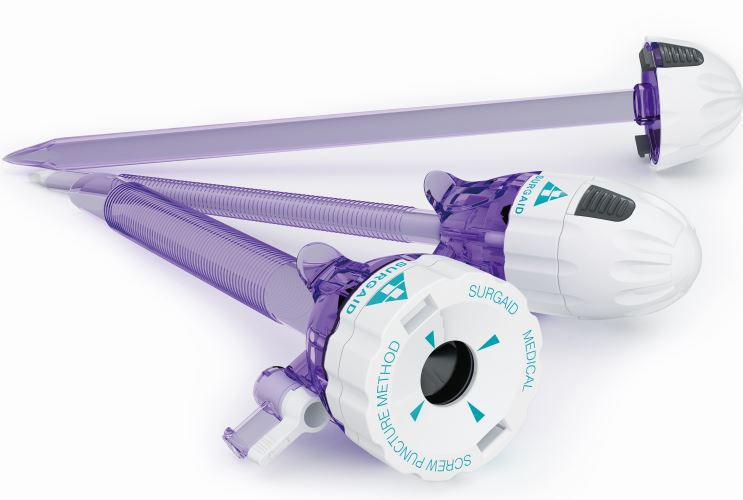
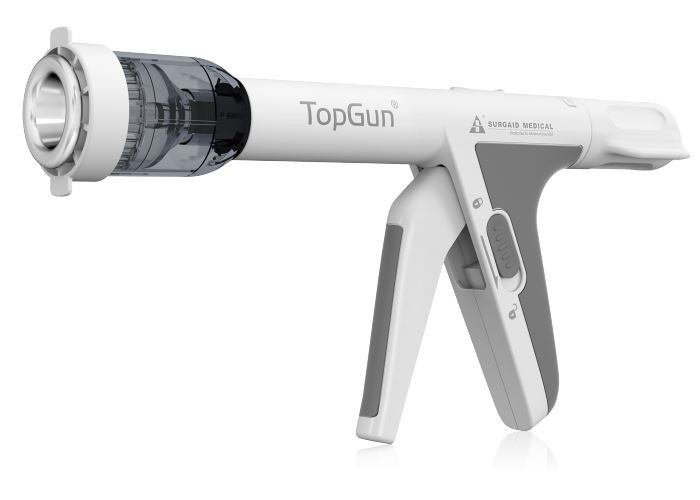
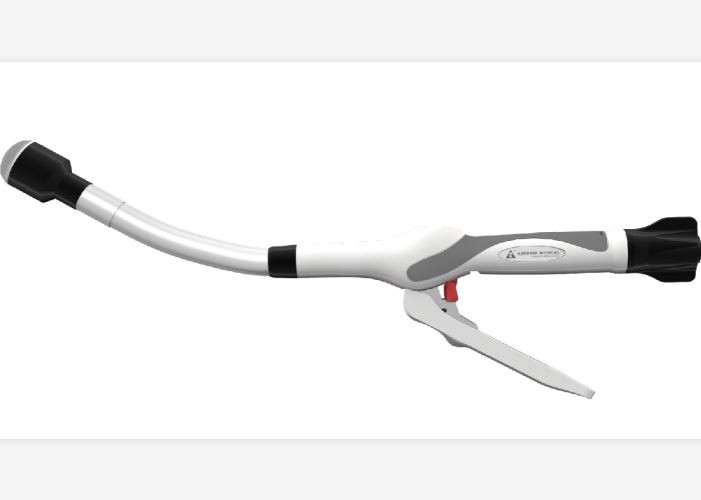
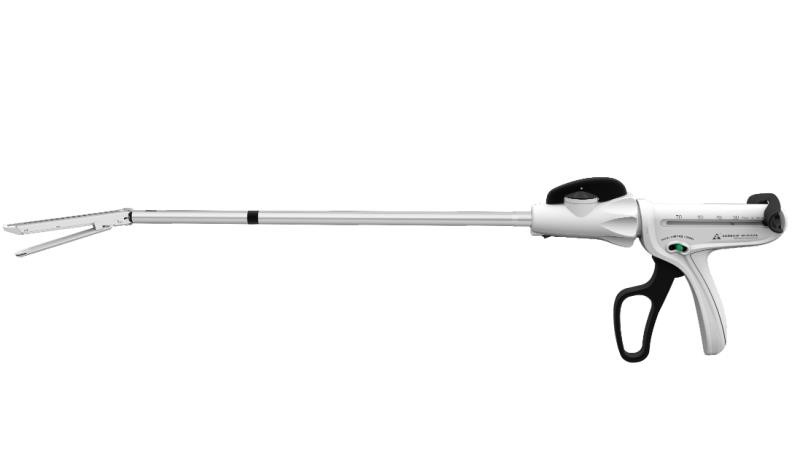
Surgaid Medical (Xiamen) Co., Ltd has been committed to surgical product development ,production and marketing for 10 more years . In particular, minimally invasive surgical products. Minimally invasive surgery is a surgical direction of development. Such as Disposable Laparoscopic Trocar, Linear Cutter Stapler, Circular Stapler, PPH, and so on.
Manufacturing our own Surgical products allows us to have complete control over the design and evolution of our products. We are able to adapt quickly to the constantly evolving healthcare market and offer high quality, single-use, cost-effective solutions that directly compete with global market-leaders.
About Surgaid products:
For more product information at https://www.surgaid-medical.com/