








In 1876, when I first walked into the ward of Bellevue Hospital in New York, the dawn of modern American surgery had just begun. At that time, people may be interested in some of its (surgery) characteristics. The discovery of ether is not old enough to erase all traces of the ancient surgical rule of "fast, safe, and enjoyable", but the rapid surgical method is gradually being replaced by a safer method. General anesthesia makes conservative surgery possible, especially in joint resection and subperiosteal resection. The invention of ophthalmoscope is an invention of immeasurable importance. It led to the production of professional ophthalmologists, and this invention soon proved to be a huge gift to general surgery. It enabled a variety of speculums to be adopted. To check areas that have not been explored so far.
None of these bleeding-free tissue separation methods can replace scalpels, so surgeons began to be interested in designing better methods to prevent blood loss. In 1873, at the Congress of German Surgeons in Berlin, von Esmarch showed the world his artificial hemostasis method. However, since Hunter’s time, no real major and necessary progress has been made in basic surgical principles. Pasteur’s major work has opened up a vision. For a period of time, only Lister’s eyes can discover the mystery. It is hard to realize that 40 years have passed since Lister and Pasteur made contributions to surgery second only to Harvey in importance. In 1867, Lister first published the results of his experiment with carbolic acid to treat wounds, and the results were incredible. Lister's great achievement lies in his clear understanding of the importance of Pasteur's discovery in revealing the root cause of wound infection and taking measures to prevent and combat this infection. No matter what changes are made in the details of the antibacterial and sterile surgical procedures, this value will remain.
However, it wasn't until 1875 that Lister's views gained a substantial foothold in Germany. Why is Germany the first country to adopt antimicrobial surgery? Why does every surgeon at almost every German university eagerly support it at almost the same time, when Lister's views are clearly displayed? I believe that the answer to these questions lies mainly in the characteristics of the scientific and practical training of German surgeons. I hope that the training of surgeons will be specifically discussed in the rest of this article. What I want to say is not so much pure surgical teaching in the undergraduate course, but rather the training requirements for those who desire to adapt to the surgical profession.
In a famous university clinic in Germany, not only the first assistant, but all the surgical staff have almost the most ideal surgical learning and research facilities. The amount of clinical data is huge. The work of the operation starts early in the morning and often ends late in the afternoon. The outpatient department is managed by the chief surgeon and implemented by his assistant physician; as a result, patients will no longer be referred to certain clinics or other institutions and be ignored. The pathological data obtained during the operation is carefully sorted in a specialized surgical laboratory and kept in a museum when necessary. This should be an important feature of university surgery. Many facilities and encouragement are given to every staff member for research work.
Although working as an assistant doctor in a large university clinic for 8 to 12 years can lay the foundation for a reputation, his work really began when a German surgeon was invited to fill a professorship.
Now he is eager to prove that he is worthy of this new position. He has the motivation to inspire others to achieve. He uses new standards to measure himself. He has a desire to stand out in his heart, just like a seed that has been planted. The seed will give birth to a brilliance comparable to the greatest university, and perhaps even the entire Berlin. In Germany, the prestige of this position is something that our clinicians in the United States cannot really understand. In every university, there is an unfortunate tradition of professorships in surgery-they are held by famous surgeons, whose names are cherished and respected for their contributions to science, to universities, to the country, and to researchers.
About Surgaid products:
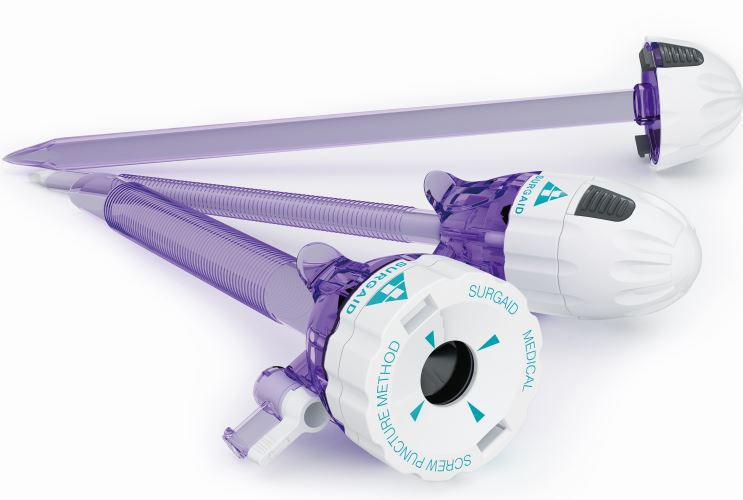

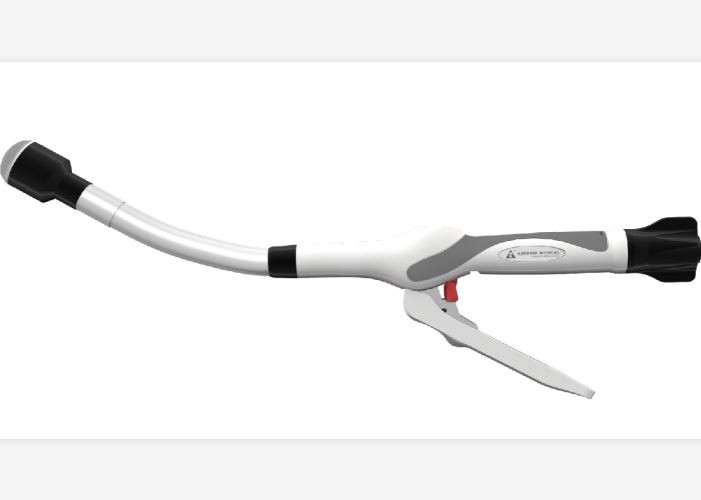
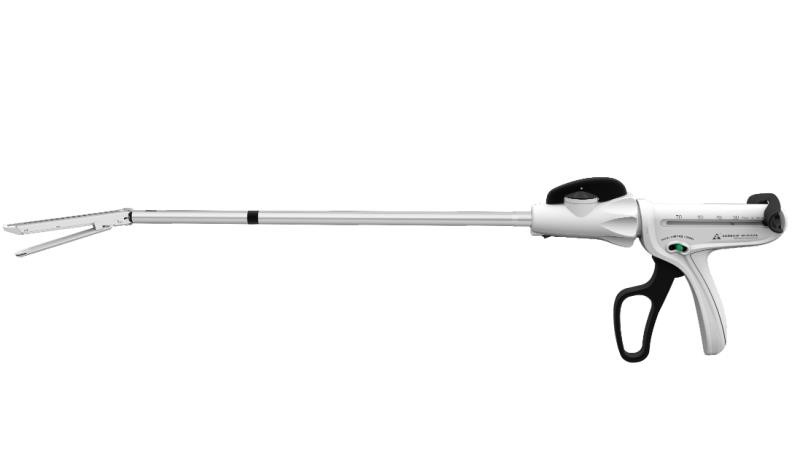
For more product information at https://www.surgaid-medical.com