








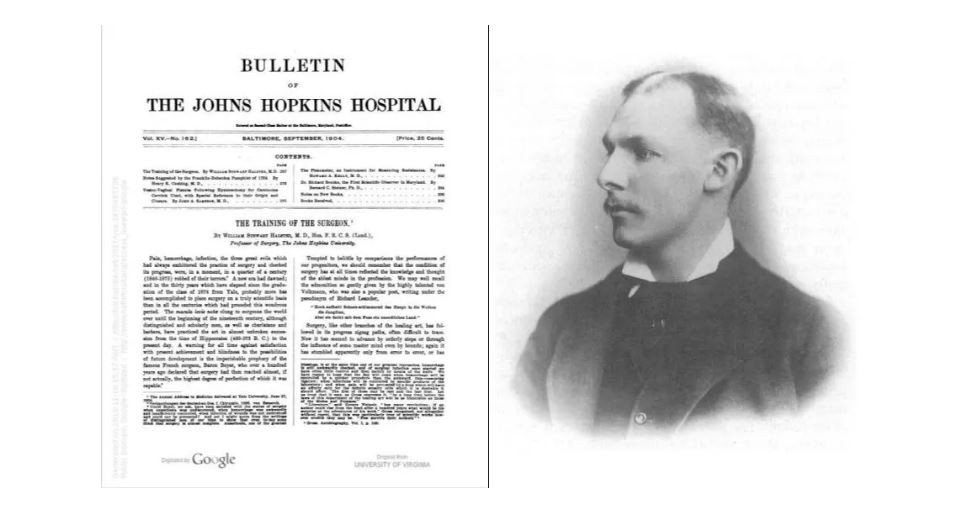
Pain, bleeding, and infection are the three major problems that have been plagued by surgery and hindered its progress. They were resolved in just 27 years (1846-1873). A new era has come. In the thirty years since I graduated from Yale University in 1874, the achievements of surgery based on real science may be more than in the centuries before this wonderful era.
Physiology, pathology, and surgery have the closest interdependence relationship. If there is no progress in physiology and pathology, surgery will not have progressed today. On the contrary, surgery has also made great contributions to the understanding of pathology and physiology. Harvey's immortal discovery marks a new era in surgery, just like all medical disciplines, because there is no knowledge of blood circulation, I can only imagine some of the most primitive operations. However, there is ample evidence that until recently the vascular ligation introduced by Ambroise Pare (1517-1590) has been widely known in Alexandria College. The outstanding Gabriele Falloppio (1523-1562) wrote many articles about the use of ligation to stop bleeding. He was contemporary with Pare, but his life span was not long. However, until Harvey (1628) proved the real process of blood flow, people still couldn't understand the principle of ligation to control bleeding, and surgeons were deliberately avoiding operations that must control bleeding.
In this era, it is difficult for us to understand that surgeons who are both anatomists and physiologists can accept Galen’s views without any doubt for centuries. At that time, it was thought that the blood ejected from the severed artery did not come from the left heart, but from the vein in a mysterious and indirect way. In the vein, the blood should flow from the right heart. Harvey didn't understand the communication routes between arteries and veins at the beginning. It was not until Malpighi observed the capillary structure with a microscope in 1661 that his findings were perfected.
Some bleeding is very confusing, such as when a wound is suddenly full of blood and no bleeding point is found; for example, sometimes there is only a small amount of bleeding, but the patient suddenly died because of air entering the vein! As Heliodorus and others are used to doing, quickly wrap up the wound with linen or sponge, or spirally ligate large pieces of tissue, and use sutures to close the bleeding edge of the wound tightly. Using a cautery or boiling oil to burn the bleeding surface, what could be more natural than these? Imagine the fear and pain of the patient, the despair and rush of the surgeon, and there is simply no condition for the graduate student of science knowledge.
All the time, even to this day, the surgeon is most concerned about the treatment of blood vessels in surgery. Frankly speaking, the fear of bleeding to death prevents many swindlers and incapable surgeons from performing dangerous operations. The precautions taken in controlling bleeding may be the main difference between agile surgeons and slow surgeons. Five things announced by Pare, known as the father of French surgery:
1.Removal of excess parts, such as truncation surgery;
2.Repair the displaced part, such as hernia;
3.Separate the parts that are stuck together, such as adhesion caused by burns;
4.Connecting separate parts, such as stitching wounds;
5.Provide original defective parts, such as missing eyes, ears, nose, one or more teeth; fill the defective palate with gold or silver plates.
About Surgaid products:
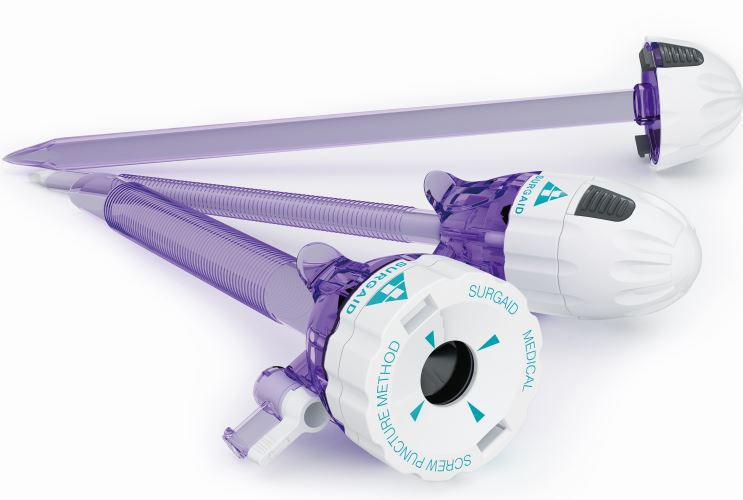

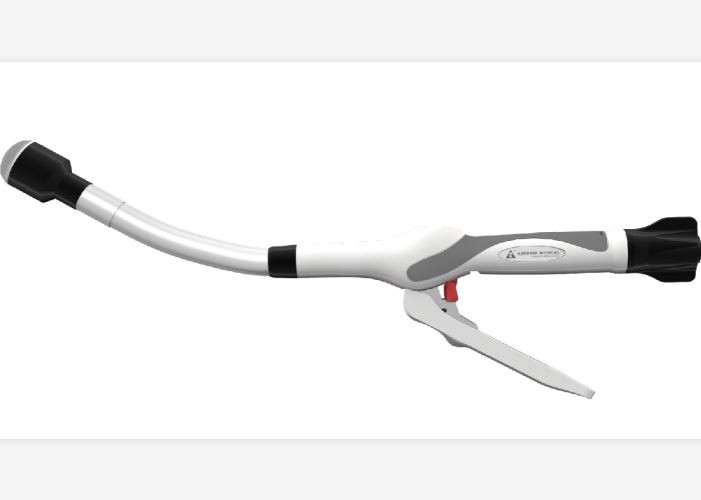
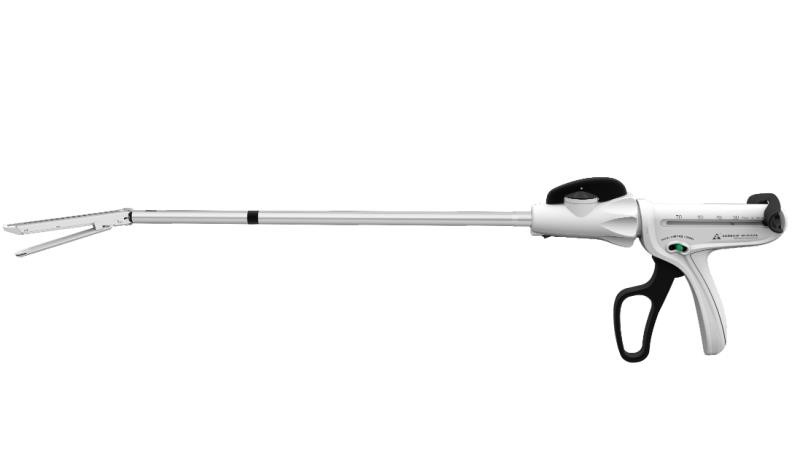
For more product information at https://www.surgaid-medical.com