








1.What is a medical device?
Medical devices refer to instruments, equipment, appliances, materials, software, or other items used alone or in combination for the prevention, diagnosis, treatment, monitoring, and compensation of human diseases. The biggest difference between medical devices and drugs: the effects used on the human body surface and in the body are obtained through physical methods, rather than pharmacological, immunological or metabolic methods.
2.How is the difference between medical equipment and daily necessities?
Medical device products are strictly approved for registration or filing. Whether it is a medical device depends on whether there is a medical device registration number or filing number on the product package, such as "Zhejiang Food and Drug Administration (Zhu) 2009 No. 2630558". Medical device products and registration certificate numbers that have been approved for registration or filing can be found on the website of the State Food and Drug Administration. Health care products or daily necessities are not medical devices.
If it is not a medical device, there should be no therapeutic function and curative effect in the publicity, and the words "treating or curing XX disease" should not appear in the product manual.
3.What problems should be paid attention to when purchasing medical device products?
(1) It should be confirmed whether the product is marked with the medical device registration certificate number. If in doubt, you can check on the website of the State Food and Drug Administration (website address: http://www.sfda.gov .cn/ in the page "Data query" column).
(2) It should be confirmed that the product registration certificate has not expired. The validity period of the medical device registration certificate is 4 years. When consumers check the certificate, in addition to confirming its authenticity, they should also confirm whether the certificate is within the validity period.
(3) For products such as contact lens care solution, the product itself is required to be valid. When purchasing, consumers should pay attention to check whether the product is expired.
(4) When purchasing, pay special attention to confirm the scope of application of the product, especially some products of therapeutic equipment. The scope of application of medical device products is an important part of the pre-market approval. But in the distribution process, some sellers exaggerate the scope of application without authorization.
For some common chronic diseases, such as hypertension, diabetes, etc., the food and drug regulatory authorities have not yet approved medical device products that can cure these diseases. In the sales process, if the business claims to be able to "curate" or "cure" diseases such as high blood pressure and diabetes, or claim to be able to replace drug treatment, then consumers should be alert to avoid being deceived.
(5) Try not to buy medical equipment products through online shopping.
(6) Don't buy "three nos" products without the name of the manufacturer, the production address, and the contact information.
4.Are medical devices suitable for "experimental sales"?
Experiential sales is a way of merchandise sales, but not all merchandise can be experienced if you want to provide an experience, such as: car test drive, at least the experiencer must have the corresponding driving qualification.
Medical devices are special products that have their scope of application, contraindications, precautions, and other warnings or reminders, and some have special storage conditions and methods. These require the product provider to have knowledge of the performance, scope of application, contraindications, precautions, storage methods, etc. of the medical device that provides experience. At the same time, the product provider must be able to make accurate judgments on the health of consumers (patients). Only in this way can it be ensured that consumers (patients) are not misled, and medical devices are used rationally to relieve consumers (patients) from their illnesses.
5. How to distinguish between medicines and medical devices containing pharmaceutical ingredients?
(1) For products where drugs play the main role and medical devices play the role of auxiliary drugs (such as syringes with preloaded drugs, etc.), they are managed as drugs.
(2) For products that are mainly used by medical devices and supplemented by drugs (such as medicated stents, catheters with antibacterial coating, medicated condoms, medicated birth control rings, etc.), they are managed as medical devices.
(3) Wound patches containing antibacterial and anti-inflammatory drugs shall be managed according to drugs.
(4) Traditional Chinese medicine external application products are traditional Chinese medicine external application products, which are managed according to drugs.
6.How is the medical device management system managed?
The medical device management system can be understood from two aspects: physical management and value management. Physical management includes the entire process of equipment purchase, acceptance, installation, use, maintenance and repair, and scrapping. It is to improve the level of medical technology by ensuring the safety of equipment use and the effectiveness of quality control. Value management includes pre-purchase demonstration, capital budget, operation and maintenance costs, and benefit evaluation. It refers to the rational organization of human, material, and financial resources, and the full use of limited resources to create greater benefits.
7.How to strengthen the information management of medical equipment and improve the management efficiency of medical equipment?
To carry out medical equipment management, there must be a sound organization guarantee. In order to continuously develop new developments in the management of the equipment department, the hospital equipment department has established a maintenance team, archives room, sanitary materials room, engineering teaching and research room and other groups to form a sound management Organize and vigorously promote informatization and efficient management. According to the requirements of medical equipment management in general hospitals, medical equipment files have been established, and professional medical equipment management software is used to coordinate and manage medical equipment and sanitary materials. The department should continuously improve the internal network system. Through the new search of the internal system, useful information such as the purchase price, specification, model and origin of each substance can be easily known. Each clinical department also applies to our department through the network system for materials and software systems. The inventory alarm system greatly facilitates material management.
4.ABOUT SURGAID PRODUCTS:
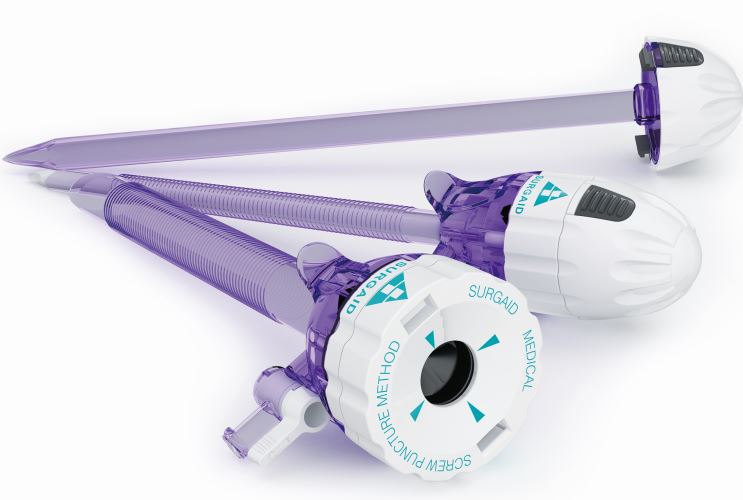
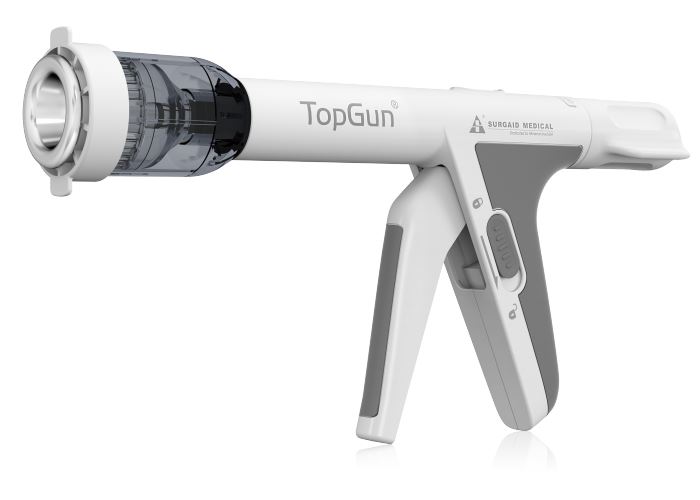
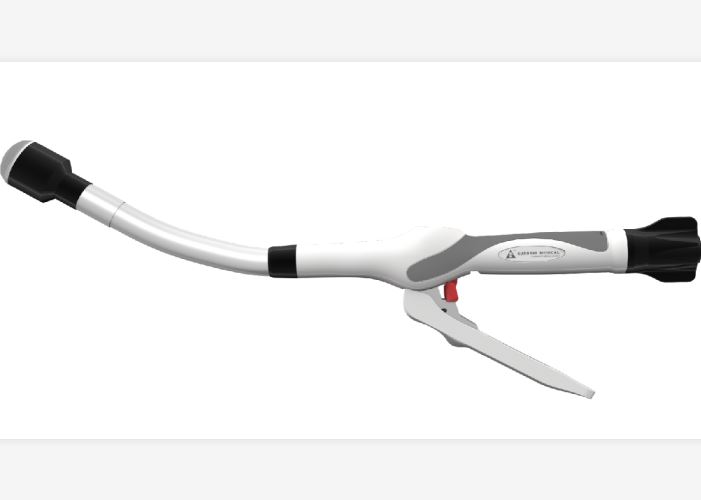
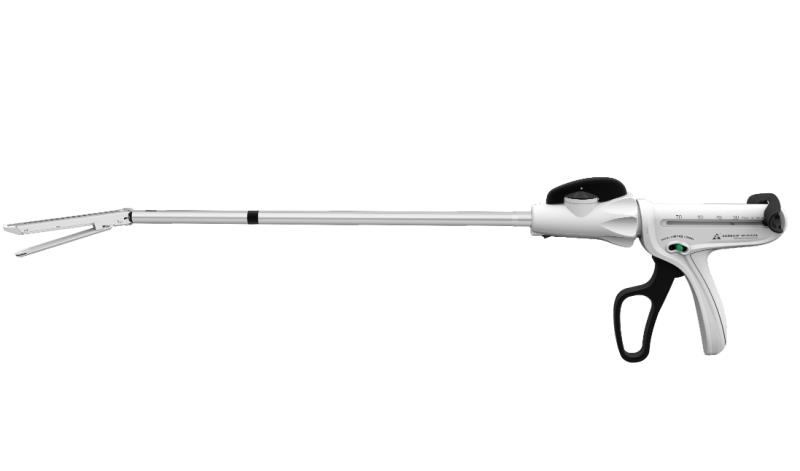
For more product information at https://www.surgaid-medical.com/