








Main preventive measures for anastomotic leakage
Based on the proven risk factors of anastomotic leakage after rectal cancer DIXON in the literature, the patients at high risk of anastomotic leakage were judged during the perioperative period, and reasonable prevention and treatment measures were taken in time to reduce the incidence of postoperative anastomotic leakage.
1 Improvement of general condition before surgery
Try to improve the overall condition of the patient before the operation as much as possible, make good preparations for the operation, and create good conditions for its postoperative recovery, and actively correct hypoproteinemia, anemia and hyperglycemia before the operation.
It is recommended that oral antibiotics be combined with bowel preparation before surgery. The 2016 guidelines recommended by the American College of Surgery and the Infection Society of Surgical Department, mechanical bowel preparation combined with oral antibiotics is the standard preoperative preparation for elective colorectal surgery.
2 Strict operation during surgery
On the premise of ensuring radical resection, try to preserve the proximal rectum and free it sufficiently to reduce the tension of the anastomosis and ensure blood supply.
Try to preserve the left colon artery when handling the inferior mesenteric artery.
Choose a suitable stapler during anastomosis, and ensure that the two broken ends are flat and continuous, avoid embedding in the vaginal wall or muscle tissue, and strengthen the suture of the anastomosis.
Patients with high-risk factors for anastomotic leakage, such as elderly and weak, low anastomotic position, poor blood supply to the anastomotic stoma, and high tension, are recommended for preventive stoma.
The pelvic drainage tube should be placed as close as possible to the anastomosis to ensure smooth drainage. Intraoperative air leak test is the most commonly used method to identify the presence or absence of anastomotic leakage. If air bubbles leaking around the anastomosis are observed, the air leak test is positive.
3 Postoperative nutritional support and water and electrolyte balance
Strengthen the nursing of the drainage tube after the operation, indwell the anal canal for decompression, to keep the drainage smooth. Resume enteral nutrition and get out of bed as soon as possible, monitor albumin and hemoglobin levels, strengthen nutritional support and maintain water and electrolyte balance, so as to promote rapid recovery of patients.
Surgaid Disposable hemorrhoids stapler:
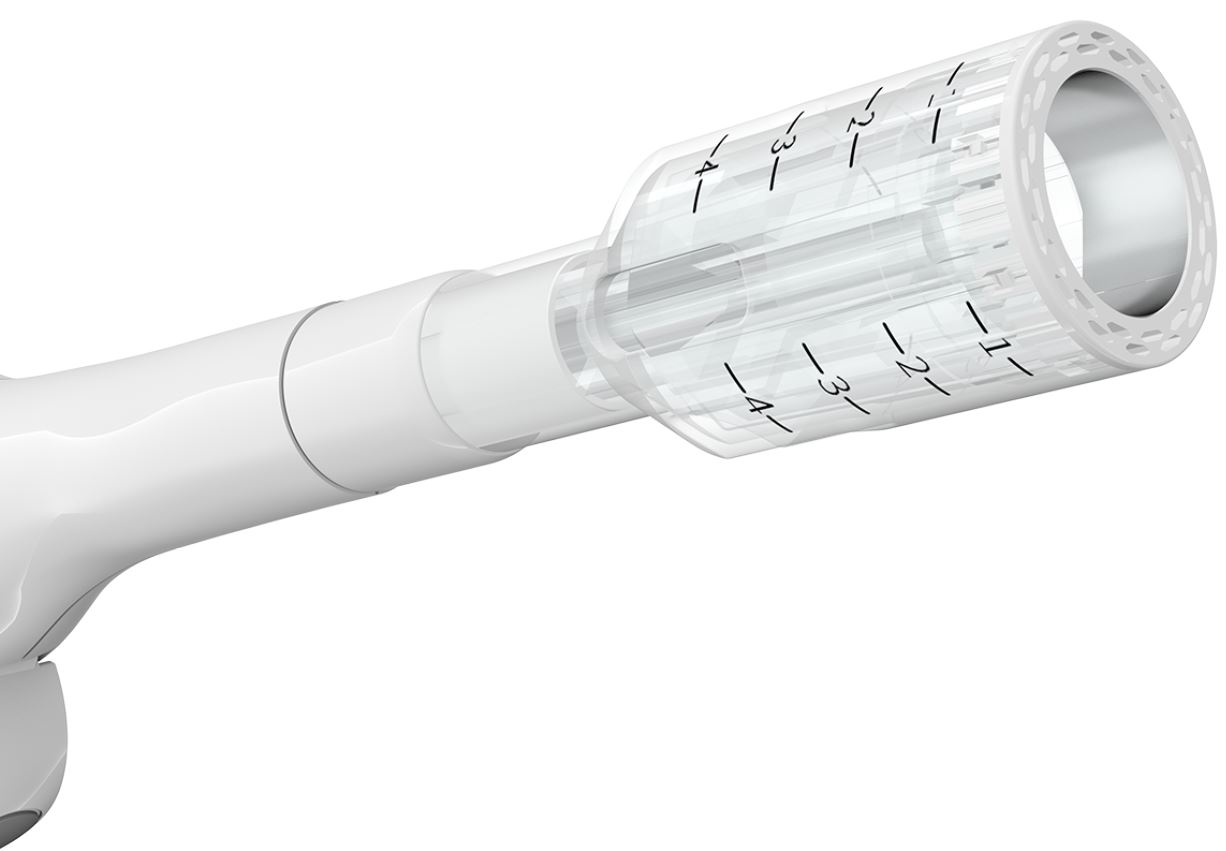 |
Extra-large catridge volume for more tissue to prevent the outflow. |
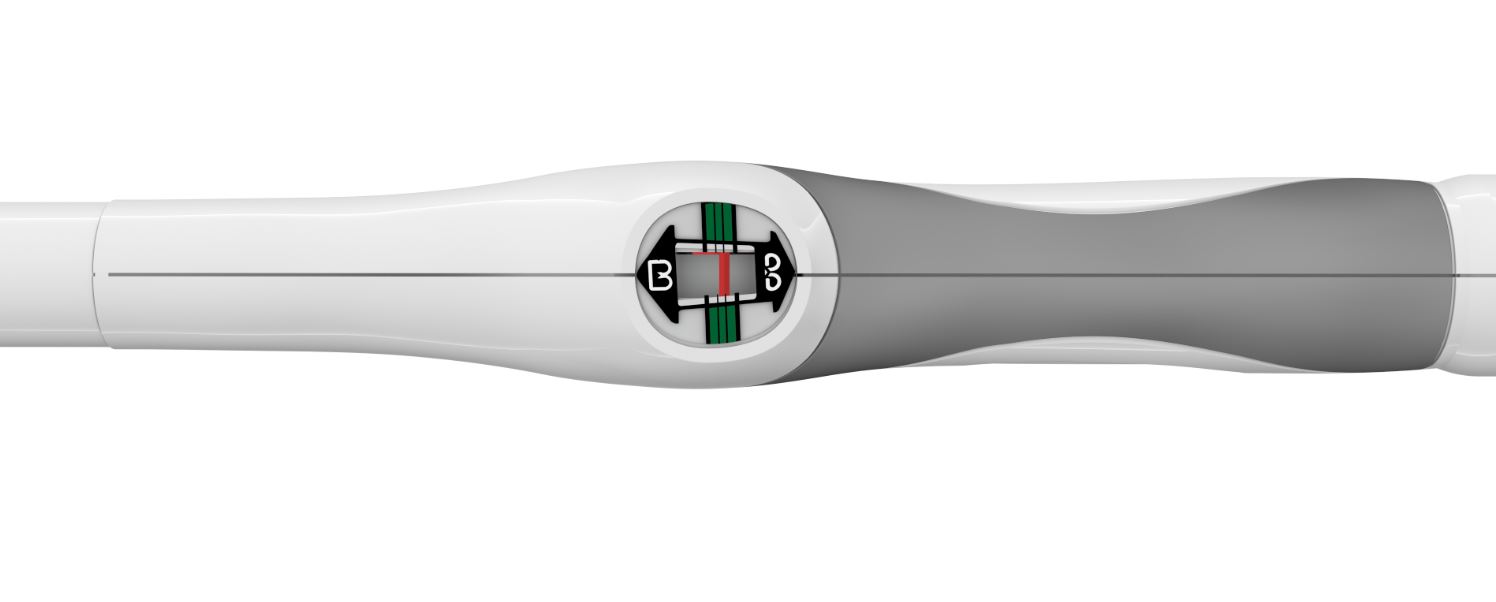 |
The closure height of Stapler For Hemorrhoids can be adjusted according to the thickness of tissue |
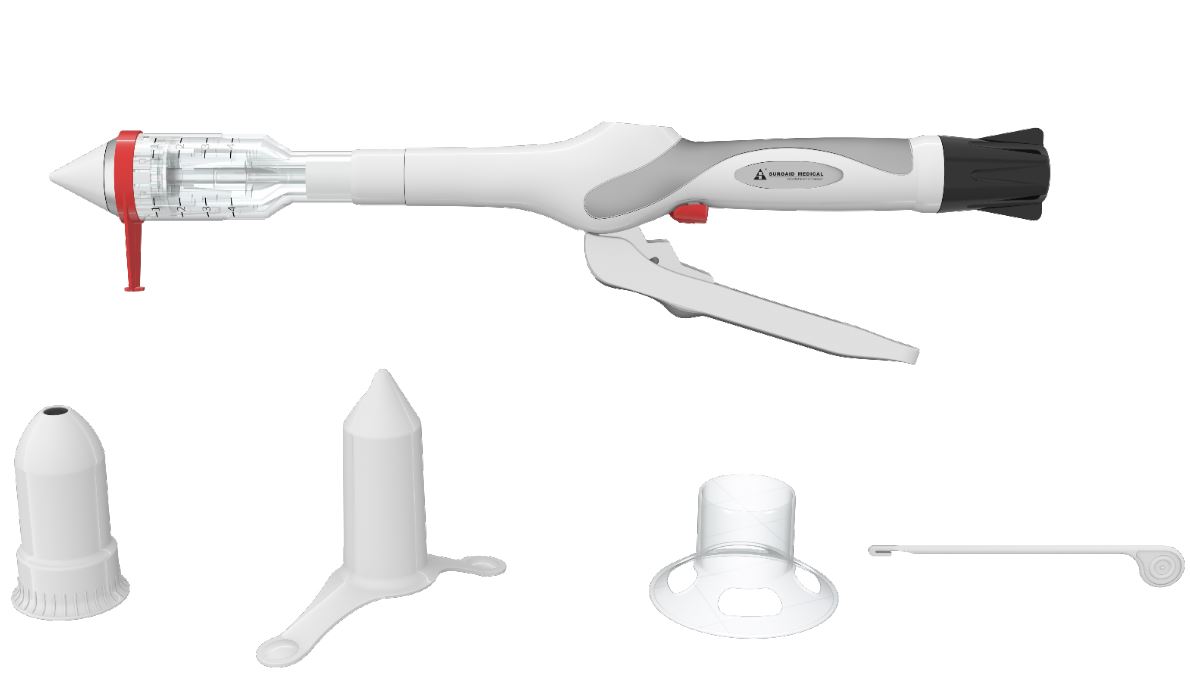 |
*Smooth adjusting knob *Reliable firing safety |
Features of stapler hemorrhoid surgery:
-
Proper staple density to reduce postoperative bleeding
-
The cutting thickness of tissue can be adjusted according to individual conditions
-
Larger staple cartridge volume ensures that more tissue is accommodated for removal
-
Reduce postoperative pain, reduce anal stenosis, and accelerate recovery
-
Selective resection of the mucosa on the dentate line to improve surgical targeting
Specification of pph stapler
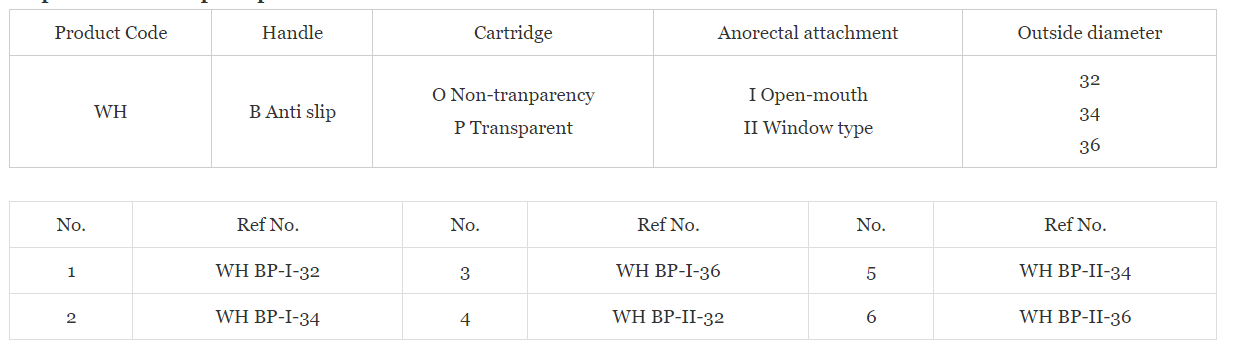
About Surgaid products:
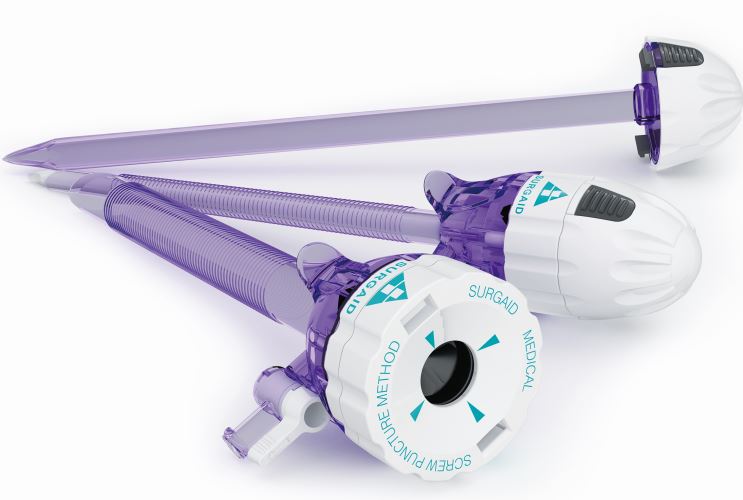
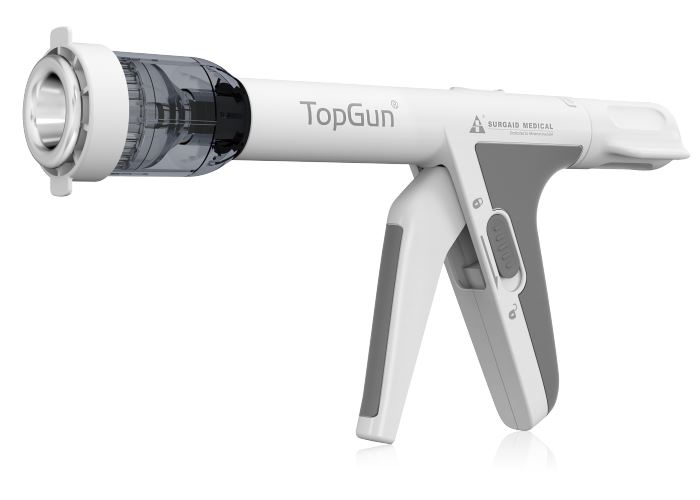
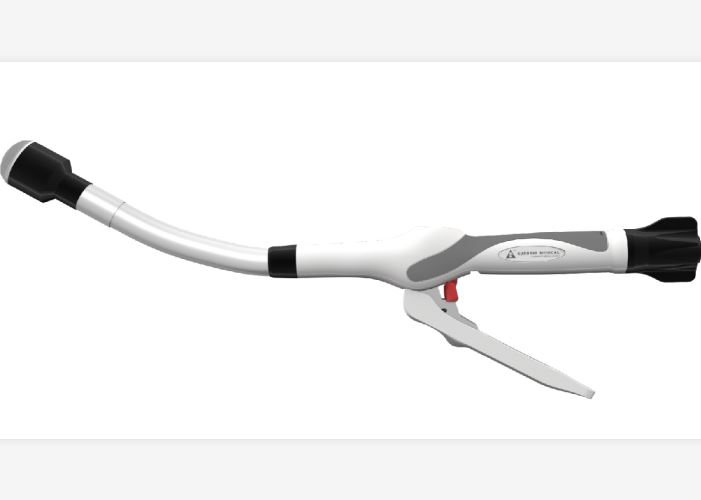
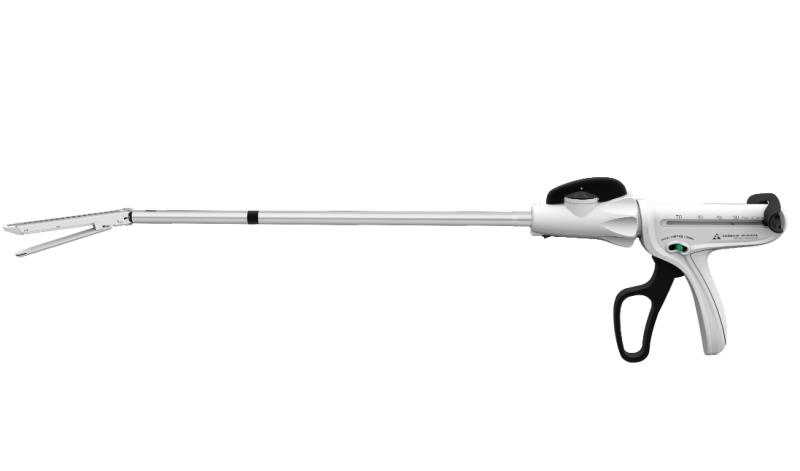
For more product information at https://www.surgaid-medical.com/