








According to reports, sleeve gastrectomy in the United States accounts for about 60% of weight-loss metabolic surgery, while sleeve gastrectomy in China has accounted for 90%, while other surgical methods, including gastric bypass, this In the past few years, the clinical application has gradually declined.
Sleeve gastrectomy and gastric bypass have their own advantages and disadvantages. How to choose?
Sleeve gastrectomy is simple, the operation time is short, the amount of bleeding is small, and the patient's excess weight reduction rate can reach more than 70%. Sleeve gastrectomy has a relatively low incidence of postoperative complications and fewer patients with vitamin deficiency. Compared with sleeve gastrectomy, gastric bypass surgery is more complicated. The patient's excess weight loss rate can reach more than 80%. The hypoglycemic effect is ideal. The remission rate of type 2 diabetes can reach 83%, so gastric bypass surgery has always been The classic metabolic technique for weight loss.
Sleeve gastrectomy has its own shortcomings. First, the existing research shows that the long-term weight loss effect of sleeve gastrectomy is not ideal. The probability of regaining weight is higher than that of gastric bypass. The main surgical complications of sleeve gastrectomy include bleeding and anastomotic leakage. Once an anastomotic leakage occurs, it is difficult to deal with and the treatment time is relatively long. In addition, compared with gastric bypass surgery, sleeve gastrectomy has a remission rate of about 60% for type 2 diabetes, and its remission rate for sleep apnea, blood lipids and other metabolic diseases is relatively low. At the same time, sleeve gastrectomy also has the probability of occurrence of esophageal reflux, which is reported to be 8% to 30%, resulting in patients who need to take long-term medication or have a low quality of life after surgery, and even require revision surgery.
For the vast majority of obese patients, the short-term weight loss effect of sleeve gastrectomy is sufficient. However, many studies have shown that for obese patients with a body mass index >35 kg/m2, sleeve gastrectomy and gastric bypass surgery are basically similar in the alleviation of metabolic diseases. However, for patients with first-degree and second-degree obesity, gastric bypass surgery is more effective in relieving hyperlipidemia and hypertension, and reducing blood sugar. Therefore, for patients who need to undergo weight loss metabolic surgery, first follow the "Chinese Obesity and Type 2 Diabetes Surgical Treatment Guidelines (2014)" to evaluate whether the patient is suitable for weight loss metabolic surgery. Once the evaluation is suitable for surgical treatment, these 2 need to be considered. The contraindications of each operation.
The contraindications of sleeve gastrectomy are mainly caused by its own surgical characteristics. A tube-shaped stomach is formed during sleeve gastrectomy. The pressure in the gastric cavity is relatively high, and other anatomical changes make reflux a major postoperative symptom. In addition, because sleeve gastrectomy only shrinks the stomach, it does not reduce absorption. Therefore, for patients who like to eat multiple snacks or eat a high-calorie liquid diet, the weight loss effect will be relatively poor. Therefore, for those obese patients who have reflux esophagitis before surgery and who like snacks and carbonated drinks, sleeve gastrectomy should be carefully selected.
Relatively speaking, gastric bypass surgery reduces intake while reducing absorption, which is a compound operation. Since bile and pancreatic juice do not pass through the small gastric sac, anastomotic ulcers or marginal ulcers are prone to occur in the gastrointestinal anastomosis. And because the occurrence of ulcers is related to smoking and drinking, patients are required to quit smoking and drinking.
At the same time, gastric bypass surgery left most of the distal stomach, and it was impossible to perform gastroscopy on the large gastric pouch after the operation, and the screening for gastric cancer formed a shackle. The incidence of gastric cancer in my country is relatively high. For obese patients with a family history of gastric cancer or precancerous lesions, gastric bypass should be carefully selected.
Surgaid Bladeless Bariatric Trocar description:
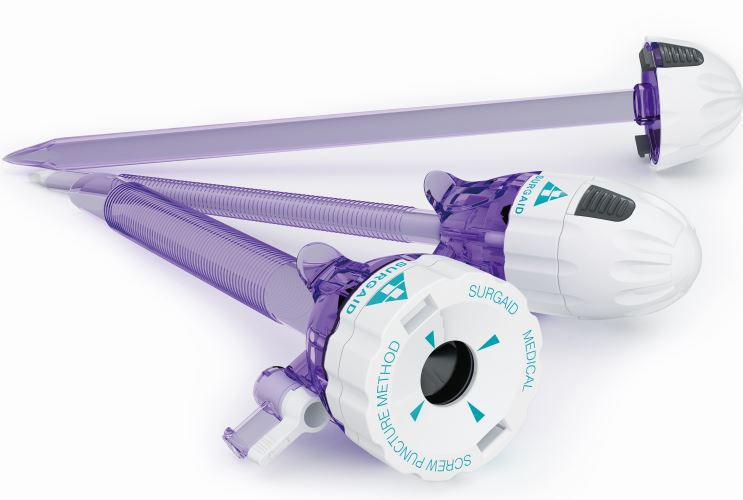
The main purpose of the disposable laparoscopic trocar in laparoscopic surgery is to penetrate the full thickness of the abdominal wall, establish a channel between the outside world and the abdominal cavity, and allow surgical instruments to enter the abdominal cavity through bladeless disposable trocar sleeve to complete the surgical process and achieve the same as traditional open surgery purpose.
Product Features:
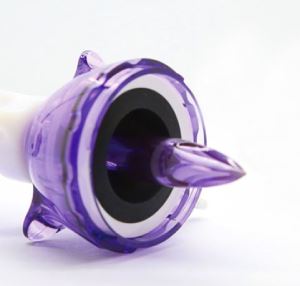 |
Four valve seal The resistance of the instrument entering the trocar and working is the least, and the sealing is good. It is not necessary to use a converter to change instruments of different caliber. |
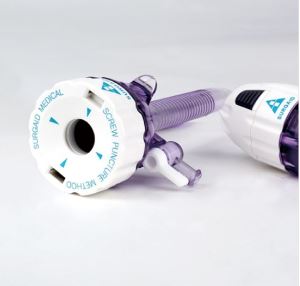 |
Half spiral or full spiral The speed of China Disposable Laparoscopic Trocar Set entering the abdominal cavity is controllable, and the depth is controllable. The abdominal wall is firmly fixed and avoids damage to the internal organs of the abdominal cavity. |
|
Blunt trocar cannula Unique blunt blade design to avoid damage to internal organs or blood vessels during puncture. |
|
The largest area of the aiming guide cone, which is convenient for disposable optical trocar to enter the working channel when operating the instrument with one hand. |
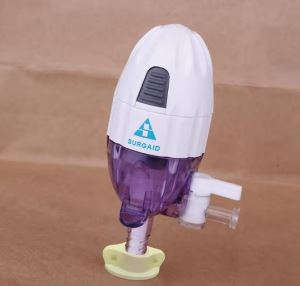 |
The body of 10mm and 12mm trocars can be easily rotated and separated for easy specimen removal. |
|
The body is translucent device, which is convenient for observing the in and out of instruments and the removal of specimens. |
|
Locator The positioning thread can be sutured and fixed on the abdominal wall, and the trocar can be fixed at the designated position through the combination of internal and external threads. For children or thin patients, it can prevent the trocar from protruding into the abdominal cavity during operation to damage internal organs, and it can also prevent the trocar from being taken out of the body by surgical instruments. |
About Surgaid products:
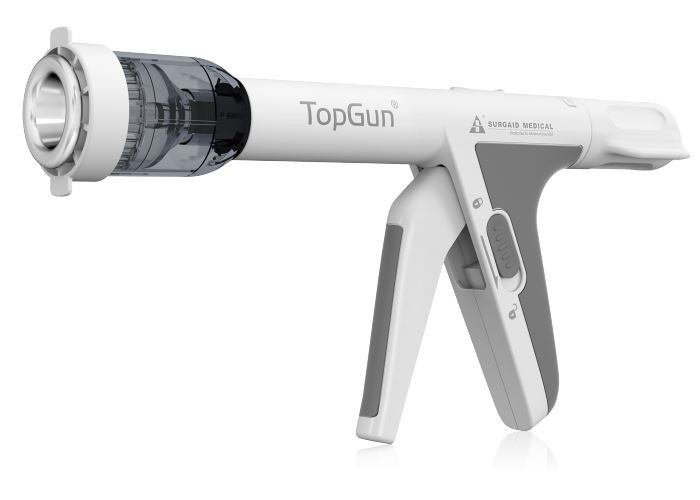
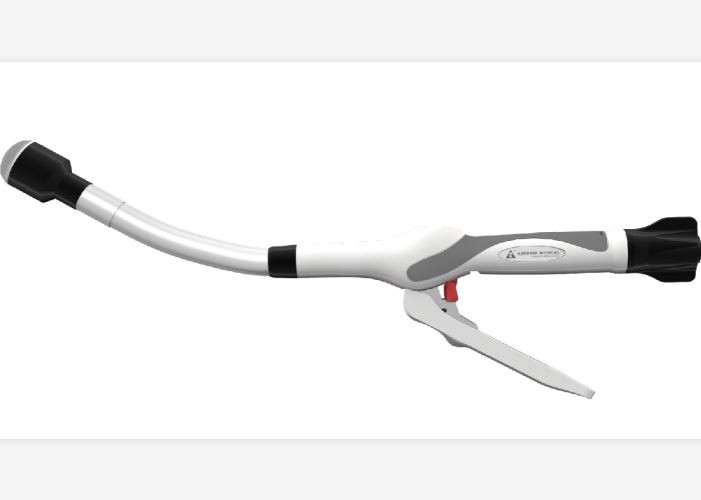
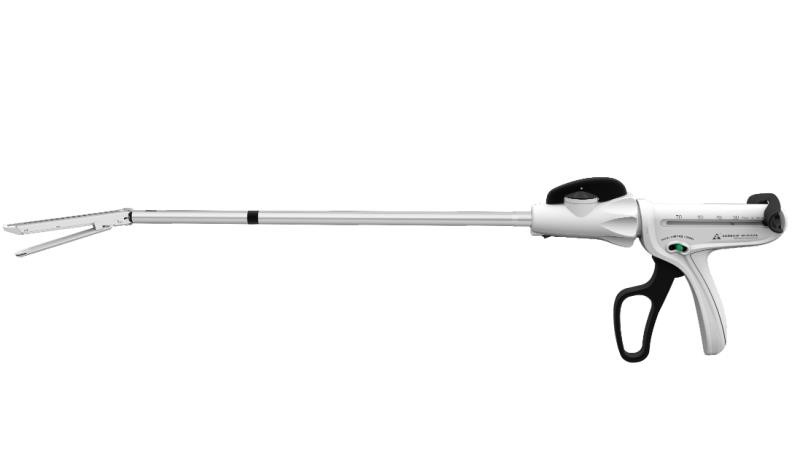
For more product information at https://www.surgaid-medical.com/