








Gaseous ethylene oxide sterilization is a kind of chemical sterilization. Because of its strong sterilization effect on most microorganisms such as bacteria, viruses, spores, etc., the sterilization range is extremely wide. In addition, ethylene oxide has the characteristics of strong penetration, low sterilization temperature, and basically no damage to the product (relative to irradiation sterilization), and has become one of the two mainstream sterilization methods for medical devices, especially disposable medical devices. 1. It is widely used at home and abroad.
Since the sterilization process is a special process, process confirmation is an important part of sterility assurance. There are different methods for ethylene oxide sterilization confirmation, such as half cycle method and partial negative method. Each method has different focuses, but they all involve basic issues such as microbial challenge devices, ethylene oxide residues, and product family classification. This article attempts to start from these basic issues and briefly introduce related concepts and processing methods.
The main purpose of ethylene oxide sterilization confirmation is to prove the sterilization ability of the process from a microbiological point of view. Therefore, an important part of the confirmation is the preparation and selection of specific forms of microbial challenge. Generally, there are the following three forms of microbiological challenge :
(A) Product bio-burden, which uses the natural bioburden of normal products as a microbial challenge, and the specific form is the product itself;
(B) Internal Process Challenge Device (IPCD) is formed by placing the Biological Indicator (BI) in the most difficult-to-sterilize part of the product;
(C) External Process Challenge Device (EPCD) is formed by placing the biological indicator in a carrier outside the product.
Among the above three types of challenges, the relative resistance relationship should be proved to be IPCD ≥ product bioburden. In theory, EPCD is not a necessity, and it can be used without it. However, considering that in routine sterilization operations, the placement and removal of the IPCD requires two unpacking of product packaging (such as pallets, cartons), which will bring potential quality risks such as packaging contamination, and the workload is also large. The use of EPCD is extremely difficult. The choice of the majority. When using EPCD, it is also necessary to prove that the resistance relationship between IPCD and EPCD is EPCD ≥ IPCD.
About surgaid products:
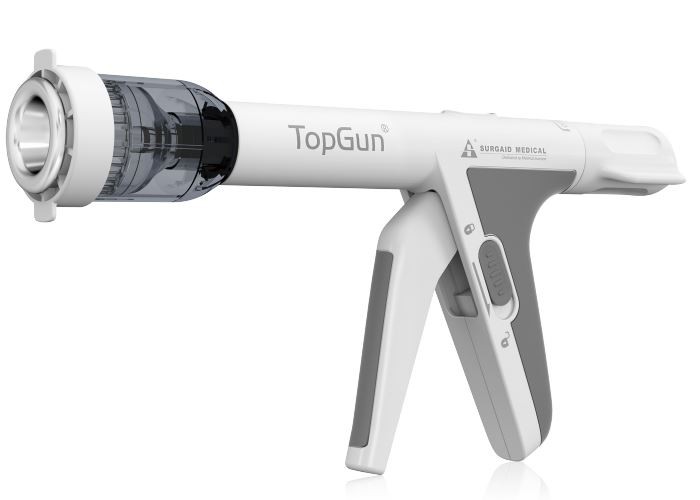
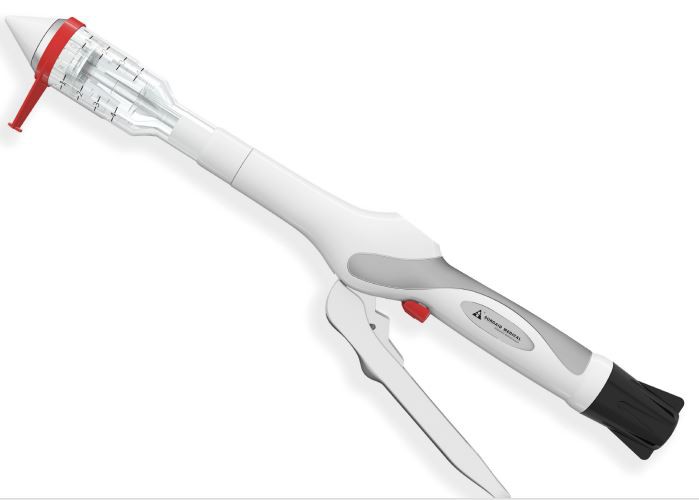
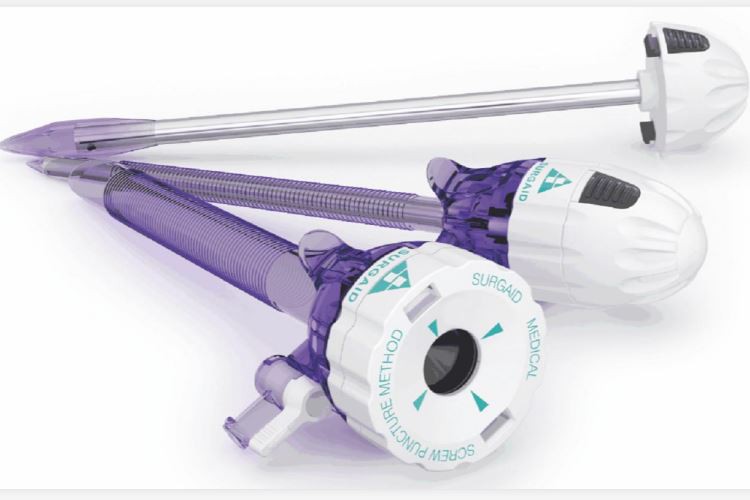
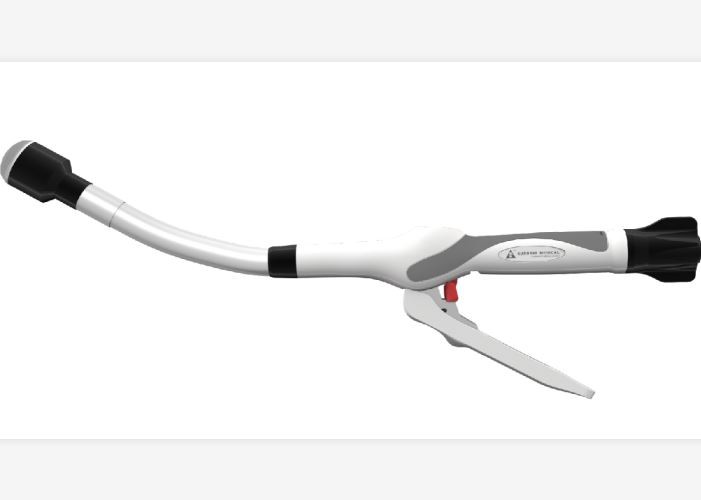
For more product information at https://www.surgaid-medical.com/