








1. Pneumoperitoneum:
Be careful not to put the end of the insufflation needle under the bed when using it (otherwise, you need to reopen the package separately). When disinfecting and cleaning, pay attention to whether there are foreign objects at the end of the outlet and whether there are any parts of the pneumoperitoneum attached. Rubber pipes will age and crack if they are used for a long time. Please check carefully before packing.
2. Light source line
An extremely precious and easily damaged soft tube in endoscopic instruments. The inner part is composed of optical fibers, and the damage is often accelerated due to improper operations such as violent use, clamping, and stretching. Enough space should be reserved when binding and fixing the light source line to avoid deformation and damage to its lumen. Do not use violence when disinfecting and wiping the connecting lens, and should be treated gently.
3. Puncture needle
The head is elastically retracted for easy puncture. Check whether the head is stuck or unable to retract before use. Whether the switch connecting the pneumoperitoneum is loose or leaking.
4. 10mm trocar
Before use, check whether the connecting seam of the valve is tightened, and whether the rubber cap has cracks causing air leakage. The valve at the pneumoperitoneum connection should be closed before handing it to the surgeon.
5. Metal titanium clamp
The width of the opening is large, which is suitable for using disposable deformable titanium clips to stop bleeding when blood vessels are bleeding. When disinfecting and curing, pay attention to the opening of the front section, and long-term use will cause the titanium clip to not occlude tightly or cross and bifurcate.
6. hem-o-lock clamp:
Long-term use makes it difficult to detach the head end after being clamped, and violently drags and pulls the pipe to rupture. Should be scrapped and replaced in due course. Pay attention to the operator's operating position when attaching the clip. If the operator will break the distal end of the clip, the groove should face the distal end (the clip head lock is still facing the outside).
7. Coagulation hook
The most frequently used instrument among endoscopic instruments has serious wear and tear. The white part of the polyethylene material at the head end is often exposed to excessive metal parts due to high-temperature electrocautery during surgery and unavoidable wear when disinfecting and cleaning the metal L part, which will cause the non-operational parts to be burnt during surgery. It should be checked and reported for replacement in time.
8. Spring forceps
The elastic potential energy is provided by bending the metal sheet at the handle. Because the head end has a large grasping force and damages the tissue, it only grasps the tissues and organs that need to be removed. It is most commonly used for LC. Before use, check whether the metal piece of the handle and the conductive wire are firmly inserted, and pay attention to whether there is any residual tissue in the serration of the head end when cleaning.
9. Bowel forceps
Because there is no damage to the serrations of the head, and the effective bite area is larger and the pressure is smaller, it is not easy to cause tissue damage. It is mostly used to lift the stomach and intestines by clamp. However, if the bite is violently or excessively lifted, it can also bluntly damage the tissue, so you should pay attention when using it.
10. Flat nose pliers
It is often used to bite and pull tissues. The serrations at the head end can be damaged. However, because the joints of the handle can be rotated, it is more flexible than the elastic forceps. However, it requires continuous force after the bite, which is not as easy as the elastic forceps.
About Surgaid products:
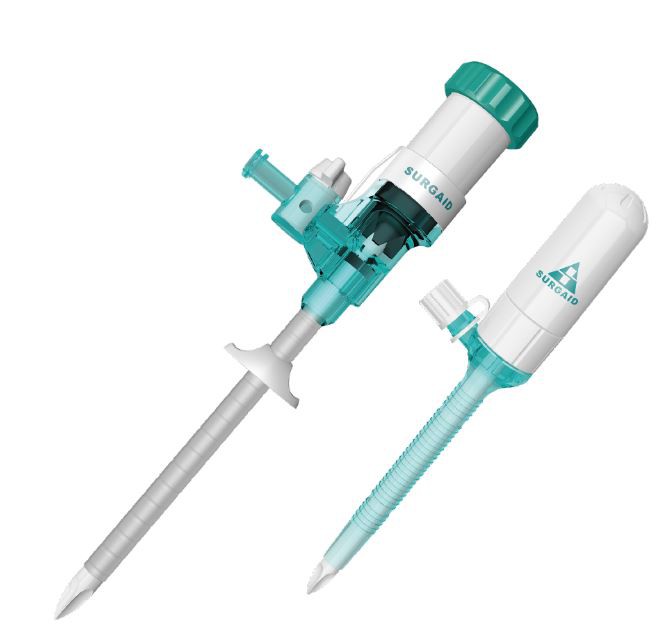
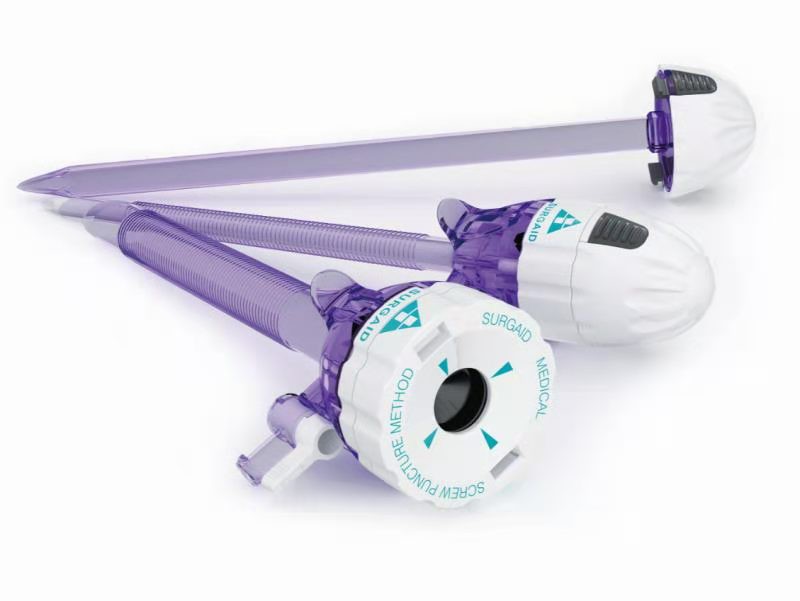
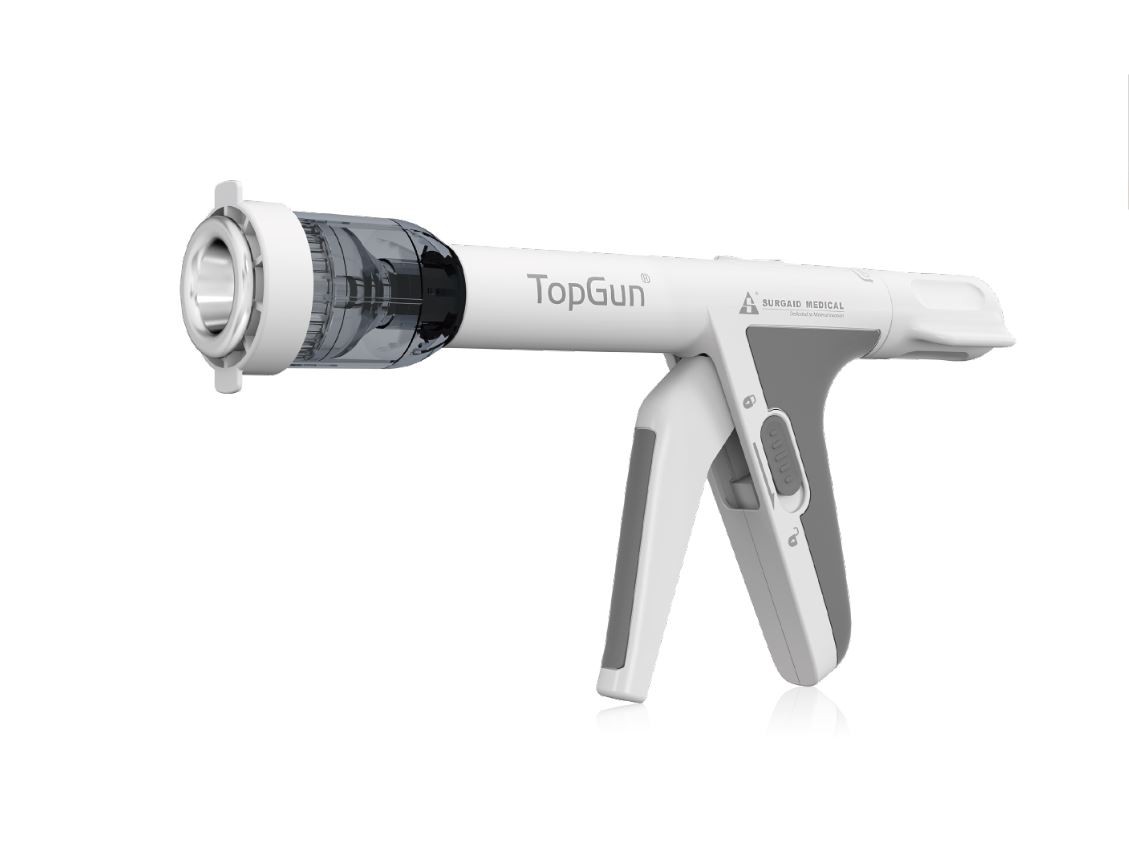
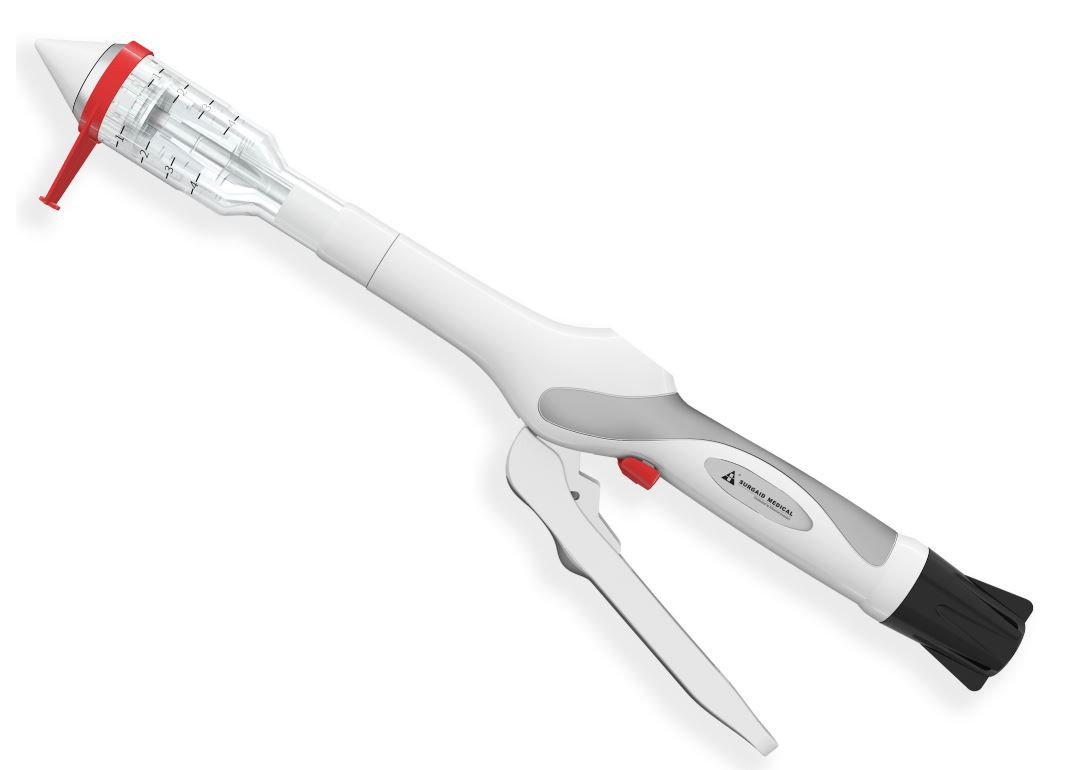
For more product information at https://www.surgaid-medical.com/