








Looking back on the past 20 years, minimally invasive surgery has expanded from the initial simple cholecystectomy to the fields of gastrointestinal, hepatobiliary and pancreatic, weight loss metabolism, hernia and abdominal wall surgery, and the amount of surgery and the complexity of surgery have gradually increased. Looking forward to the future, minimally invasive surgery will be developed more in conjunction with the advancement of the treatment of the disease itself, and technologies such as artificial intelligence, virtual reality, next-generation mobile communication transmission, and tumor targeted therapy will help further innovation in minimally invasive surgery. Minimally invasive surgery will also adhere to the "green" concept and achieve sustainable development.
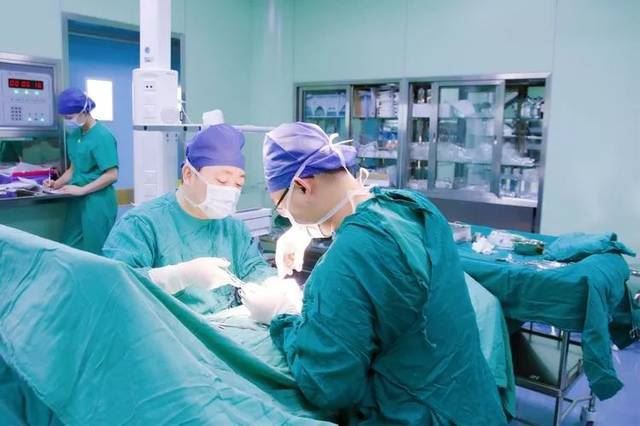
Looking back on the development of modern surgery for more than a hundred years, due to the development of anatomy, the emergence of anesthesiology, aseptic surgery, and the application of hemostatic and blood transfusion techniques, it has successively solved surgical pain, wound infection, hemostasis, blood transfusion, etc. Critical issues. The production and application of these revolutionary technologies and concepts have greatly reduced surgical mortality, alleviated the suffering of patients, and exerted a profound influence on the development of modern surgery. It has become the classic and cornerstone of modern surgery, and has promoted Advances in surgery. When time entered the end of the 20th century, a series of minimally invasive techniques represented by laparoscopic technology injected new vitality into the innovation and development of traditional surgery. In this short period of more than 20 years, it has developed rapidly, and the development of external science has produced Had a major impact.
The development of minimally invasive surgery represented by laparoscopic technology in general surgery has roughly gone through three stages: In the first stage, as a new technology, laparoscopy is a question of whether to do it or not. At that time, the minimally invasive technique was mainly the resection and functional repair of benign diseased organs based on laparoscopic cholecystectomy. Due to the initial learning curve and the immaturity of the technique, it caused complications such as bile duct damage, although the minimally invasive effect Obvious, but it has not yet received widespread attention and recognition.
The second stage is "how to regulate it". Laparoscopic surgery has gradually matured in the treatment of benign diseases. Laparoscopic technology has improved rapidly. Small HD and HD equipment have begun to be used. Laparoscopic technology has begun to be applied to tumor surgery represented by gastrointestinal malignant tumor resection. A series of key technologies have been established. And applications, such as laparoscopic dissection, surgical approach, lymph node dissection, radical tumor resection, functional protection, digestive tract reconstruction, etc.
At this stage, a more standardized promotion is obtained through the initial establishment of a laparoscopic technical training system; the third stage is "what to do". With the renewal of equipment and the maturity of surgical technology, minimally invasive surgery has entered a new stage of expansion and popularization, and the development of minimally invasive surgery has entered a high platform period.
Surgaid products
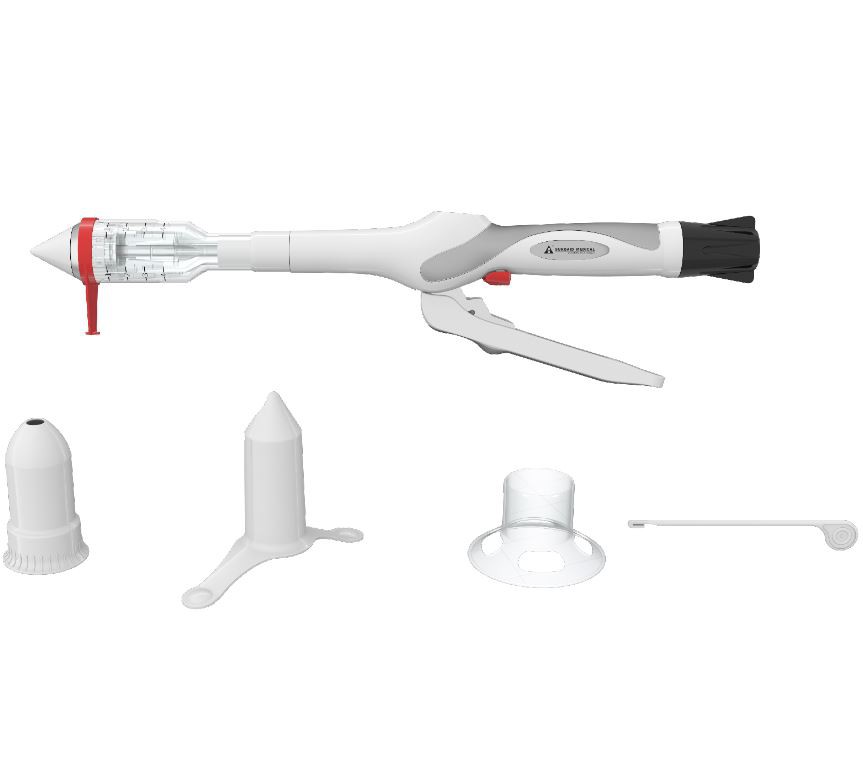

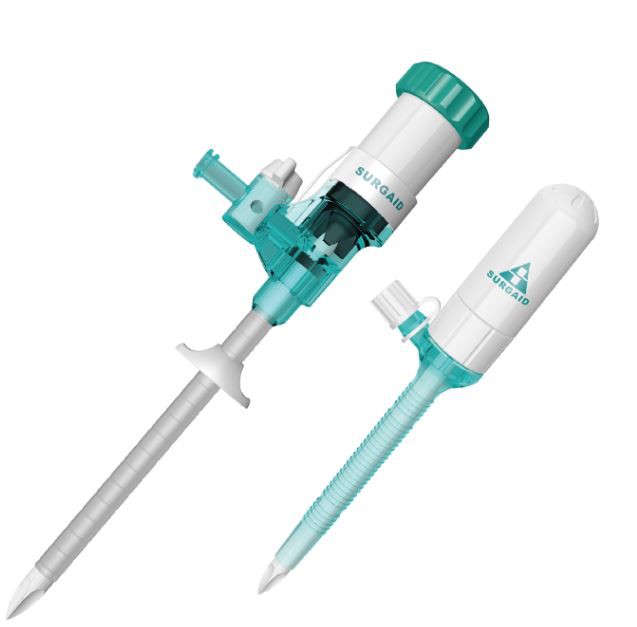
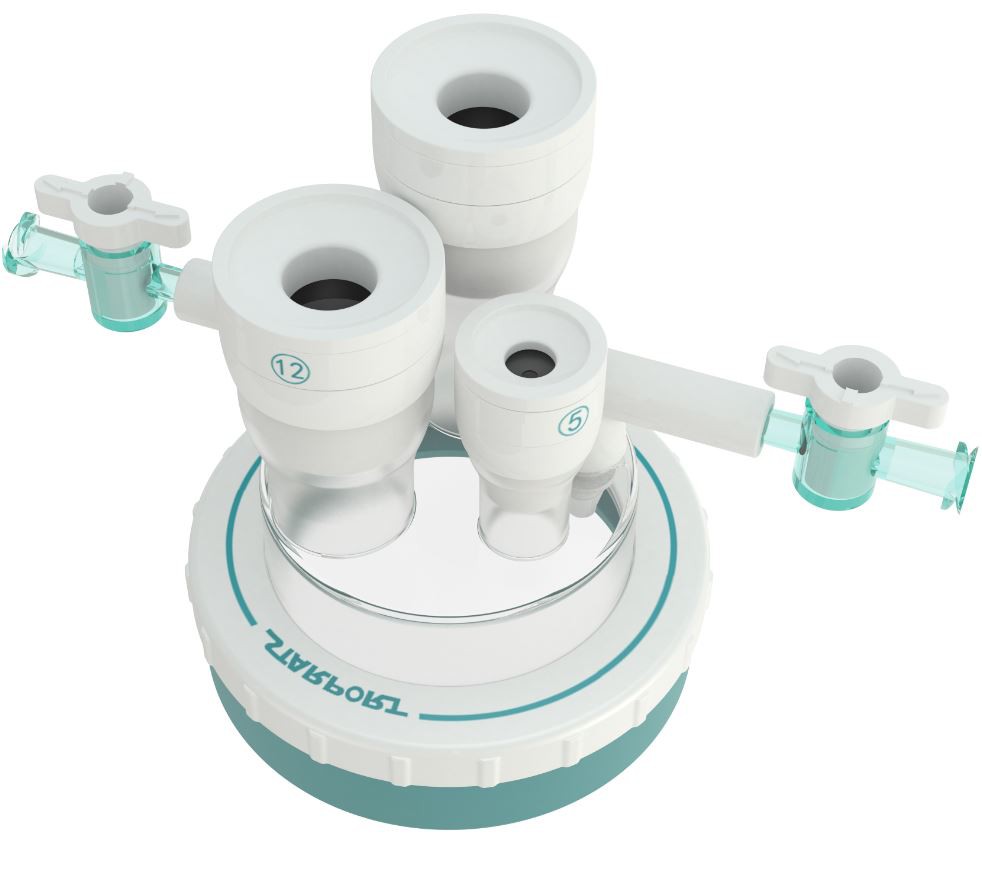
For more product information at https://www.surgaid-medical.com/