







The navel, umbilical cord, commonly known as navel, medically called Shenque point, is essentially the scar left by the umbilical cord after the fetus is born. Let's explore the secret of the belly button.
Tip 1. The belly button is a jungle.
The belly button is home to many kinds of bacteria.Using RNA sequencing, the researchers identified 2,368 different types of microorganisms, and the subjects were the belly buttons of 60 volunteers. By the way, the number of birds and ants in North America is half of this number.

Tip 2. Some people don't have a belly button.
All placental mammals have a belly button. This includes cats and dogs and beluga whales, although they are often more difficult to see on animals. The strange thing is that not everyone has a belly button.
Some babies are born with umbilical hernia or more serious diseases, such as gastrodialysis, where the baby’s intestines stick out from weak points in the abdominal wall. These conditions can be treated with surgery, but the resulting scar may not look like a belly button.
Tip 3. What determines the shape of the belly button?
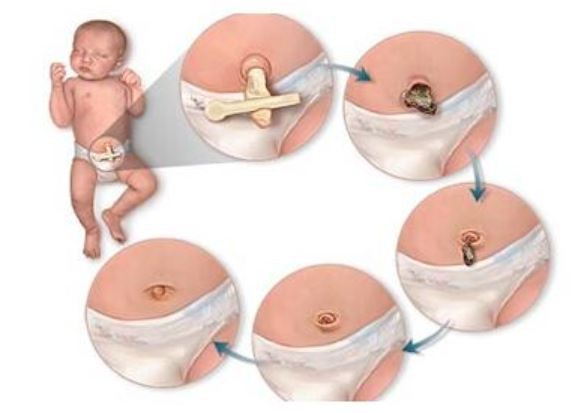
The belly button is the remnant of the umbilical cord. When we are born, the doctor will cut the umbilical cord and tie a knot on the body. This is how the belly button formed.
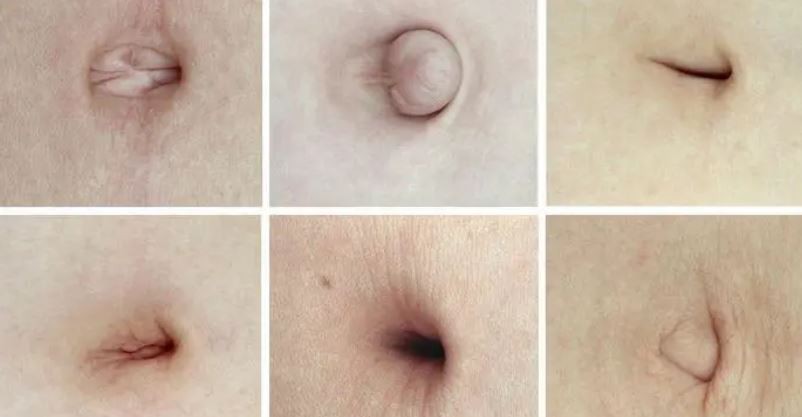
Knotting does not affect the concave or convex of the belly button. The knot will dry and fall off within a week, and what is left is the belly button. Its shape and size depend entirely on the effect of the wound after your stomach heals and falls off. If you have a convex, then you may have a slight hernia or a small infection, and about 90% of people have a concave belly.
Tips 4. The belly button is the surgeon’s favorite.
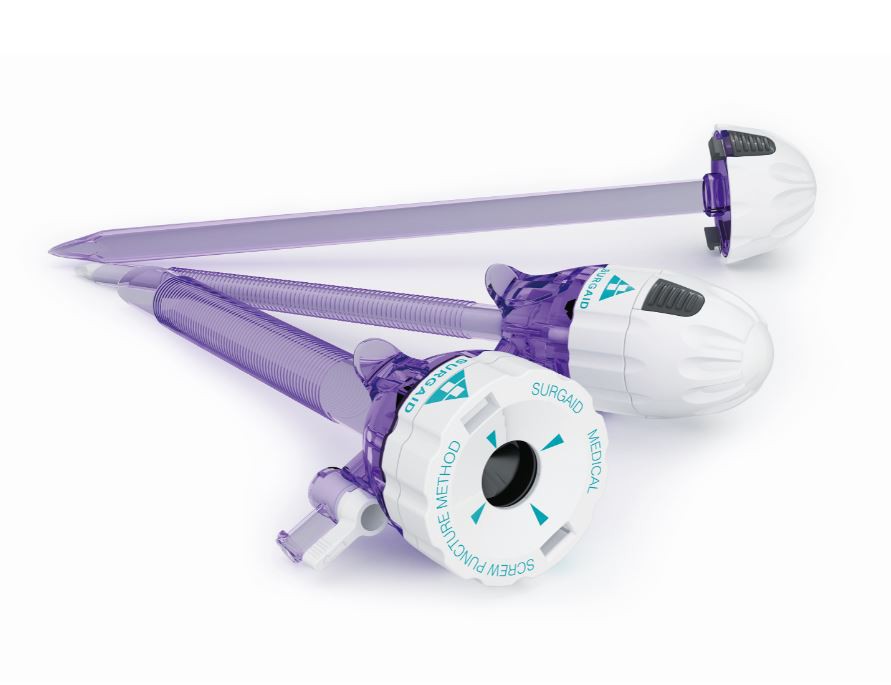
If the eyes are the window to the soul, then the belly button is the window to the gallbladder. In the field of minimally invasive surgery, more and more surgeons perform operations through the belly button without leaving serious scars.
Laparoscopic surgery is a minimally invasive surgery. The surgeon makes a small incision in the belly button and inserts a laparoscope, a telescope-like tool with a light at the end, so that the doctor can see what is happening in the intestines. That will not make large incisions. In a typical laparoscopic surgery, one or more additional small incisions are made to excise and remove the target tissue.
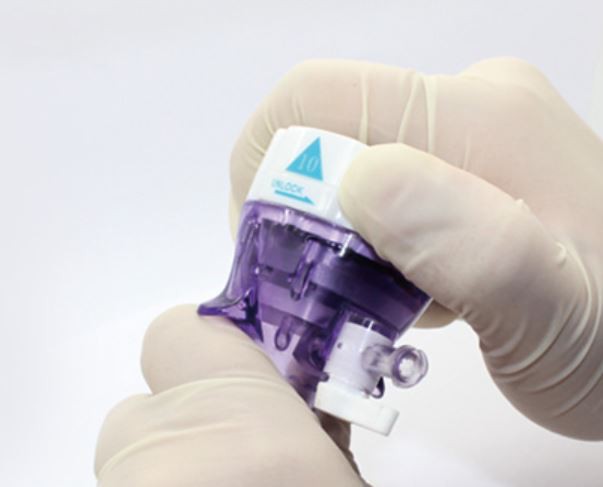
But now people are paying more and more attention to single-invasive laparoscopic surgery. Both laparoscopic and flexible surgical instruments are inserted through a special port that is inserted into a single-invasive incision in the navel. Not only is the scar almost invisible, but a single incision can also shorten the recovery time and reduce recovery time. Reduce the risk of infection.