








At present, almost all open operations on the liver, gallbladder, pancreas, spleen, stomach, small intestine, appendix and colon can be done laparoscopically. The most developed is still cholecystectomy, cholecystectomy has become the recognized "gold standard" for cholecystectomy, followed by appendectomy, colorectal tumor resection, liver cyst spleen cyst fenestration and hernia surgery. The technology of laparoscopic common bile duct exploration is basically mature, but because 70% to 80% of common bile duct stones can be removed by duodenoscope incision of the nipple, laparoscopic common bile duct exploration is still an adjuvant treatment. means.
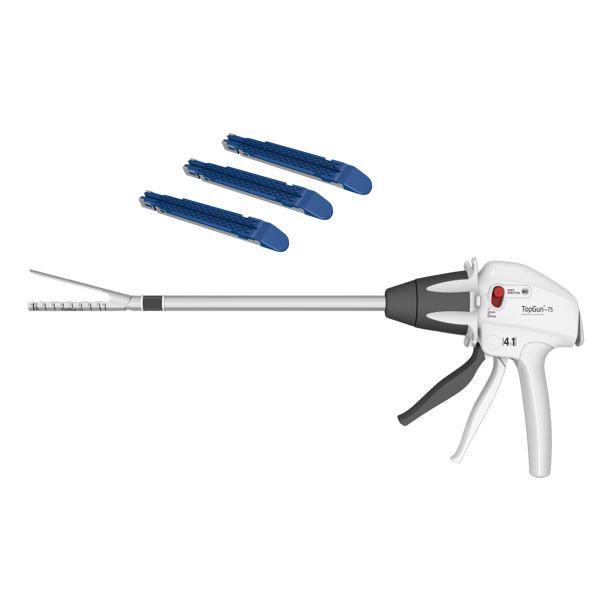
Although laparoscopic liver wedge, segment and left liver resection is not difficult, total laparoscopic resection of the right lobe of the liver is still a huge challenge. Although laparoscopic pancreaticoduodenectomy has been successfully reported, most pancreatic operations are currently limited to the resection of the body and tail of the pancreas. Laparoscopic resection of megaspleen is still very difficult. With the emergence of hand-assisted laparoscopic technology, many liver tumor resections and gastrointestinal tumor resections can be easily completed under laparoscopic surgery. There have been case reports of thoracic and laparoscopic splenectomy combined with portal devascularization. In November 1999, the Chinese University of Hong Kong Surgery performed the world's first infant laparoscopic 95% pancreatectomy for a two-month infant with islet cell proliferation. The first-stage laparoscopic surgery of Hirschsprung's disease from 2 months to 20 months has good results and has become the new gold standard. The laparoscopic peritoneal suture around the inner ring orifice of pediatric indirect hernia with Chinese characteristics is simple and effective. Ninety percent of biliary tract diseases are gallstones, and most gallstone diseases can be treated with laparoscopy, duodenoscope and choledochoscopy. At present, only less than 5% of biliary surgery diseases still require laparotomy, so today's biliary surgery has entered the era of minimally invasive biliary surgery.