








Laparoscopic surgery is performed in the patient's body cavity through 2 to 4 small incisions of about 1 cm, allowing surgical instruments to enter the abdominal cavity through the external and abdominal passages established by the trocar to complete the operation.Clinical data shows that there are many serious consequences due to wrong equipment selection or improper operation. For example, puncture and pneumoperitoneum damage blood vessels account for 69.2% of blood vessel damage, the incidence of subcutaneous emphysema is 2.7%, and the incidence of intestinal injury is 0.22%-1.54%. …
Puncture method:
1. Direct puncture
Before forming a pneumoperitoneum, the trocar is inserted directly. The technical requirements are high and it is only suitable for experienced surgeons.
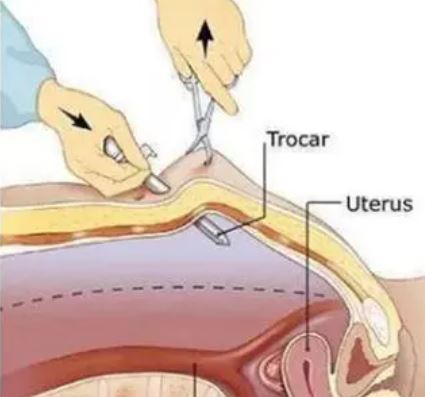
2.Direct vision puncture puncture method
After the skin is incised at the position of the first trocar, the laparoscope is inserted into the trocar, and the incision of each layer of the abdominal wall tissue can be observed under the microscope, thereby ensuring the safety of the operation.
3. Closed method
Insert the Veress pneumoperitoneum needle, and then enter the first trocar after the pneumoperitoneum is formed.
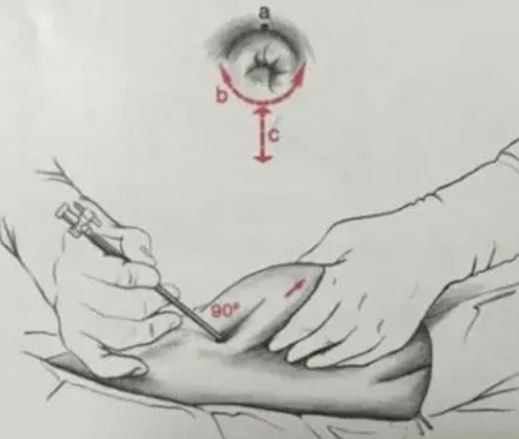
4. Open method
After cutting the various layers of the umbilical tissue into the abdominal cavity, insert a blunt puncture device to form a pneumoperitoneum. It is time-consuming and the incision is too large and easy to leak. It is suitable for high-risk patients with a history of abdominal surgery or suspected abdominal adhesions. It can also be used Laparoscopic surgery during pregnancy.
Trocar types:
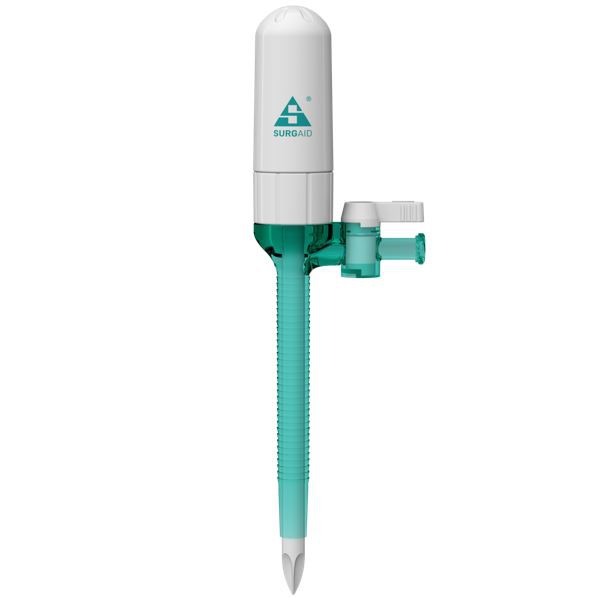
Laparoscopic Trocar Set
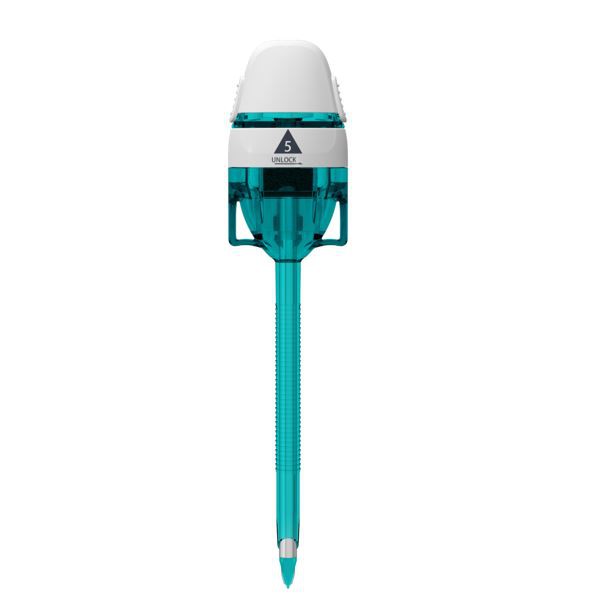
disposable trocar kit
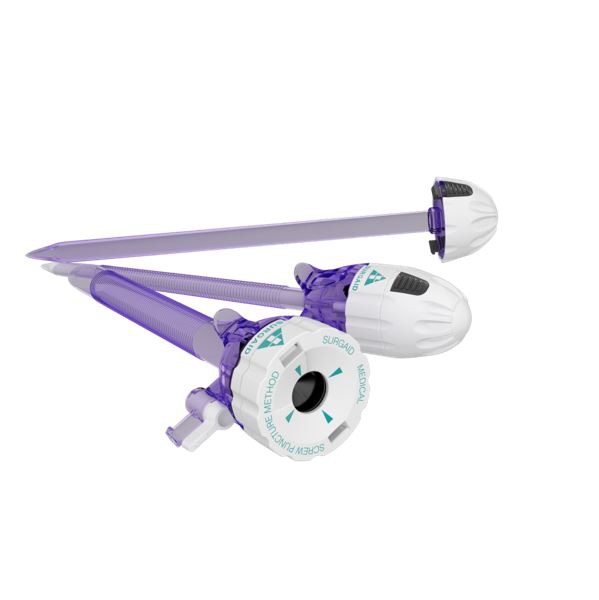
5mm Disposable Trocar
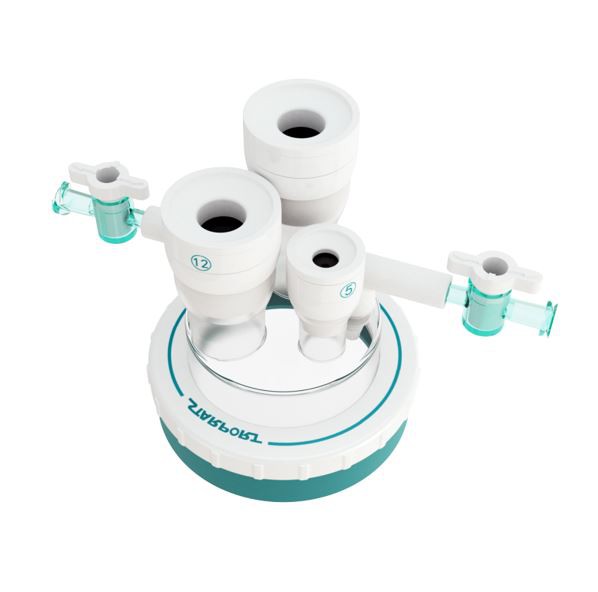
single-incision laparoscopic surgery access