








For laparoscopic gastric cancer surgery, on a theoretical level, the safety and tumor radical resection of laparoscopic early gastric cancer surgery have been supported by evidence-based medicine, in the new version of the Japanese "Regulations for the Treatment of Gastric Cancer" Clearly apply laparoscopic technology to the clinical practice of early gastric cancer. The current controversy is mainly in advanced gastric cancer, especially laparoscopic surgery in T4a cases. Recent retrospective large-sample studies of advanced gastric cancer have confirmed the feasibility and radical curative effect of laparoscopic surgery, and prospective randomization is gradually progressing in the high-incidence areas of gastric cancer in East Asian countries such as China, Japan, and Korea. Controlled research, and the cooperation of these three countries in laparoscopic radical gastric cancer surgery is becoming increasingly close.
In recent years, combined with the results of evidence-based medicine in the area of lymph node dissection in open gastric cancer surgery and changes in related concepts, laparoscopic radical gastric cancer surgery has gradually standardized on key steps such as the scope of lymph node dissection. For example, laparoscopic resection of the omental sac is more difficult, especially the removal of the left half of the anterior lobe of the transverse mesocolon to the splenic flexure and the left vascular roots of the gastro-omentum prone to secondary injury. The need for omental sac resection has been a major controversy in laparoscopic D2 lymph node dissection for gastric cancer. With the publication of the results of the JCOG1001 study on omental sac resection in Japan, omental sac resection is not recommended as the standard treatment for cT3 or cT4a gastric cancer [9]. In the D2 lymph node dissection of radical total gastrectomy, there are still some controversies about whether to perform splenic hilar lymph node dissection or splenectomy. At the World Gastric Cancer Conference held in May 2019, experts and scholars from Europe, America, China, Japan, and South Korea conducted special discussions on this issue, and they were more inclined to not perform splenic hilar lymph node dissection. In terms of gastrointestinal reconstruction in laparoscopic gastric cancer surgery, from auxiliary small incisions to full laparoscopic gastrointestinal reconstruction: complete laparoscopic complete laparoscopic end-to-end gastrectomy with Triangular anastomosis, Bi-I type lateral anastomosis (Overlap) , Roux-en-Y anastomosis, uncut Roux-en-Y anastomosis, etc. have been carried out in many domestic centers; With the new hot issue of esophagogastric junction cancer, various total laparoscopic total gastrectomy anastomosis such as functional end-to end (FETE) and peristaltic side-to-side anastomosis have been carried out. (Overlap), T-shaped anastomosis and Ï-shaped anastomosis, etc., and reflect their respective advantages. In 2019, my country's clinical data related to laparoscopic gastric cancer surgery has made a major breakthrough: the results of a multi-center prospective clinical controlled study of laparoscopic radical gastric cancer surgery in advanced stage led by the Chinese Laparoscopic Gastrointestinal Surgery Research Group (CLASS) were announced. And published in JAMA [13], it is preliminarily confirmed that its long-term oncology efficacy is not inferior to traditional open surgery. However, the author believes that due to the biological characteristics of gastric cancer prone to peritoneal dissemination, the indications should be strictly controlled, such as patients with T4a stage, serosal invasion> 10 cm2, and root lymph node fusion into a mass should be carefully selected for laparoscopic surgery.
Surgaid Medical (Xiamen) Co., Ltd
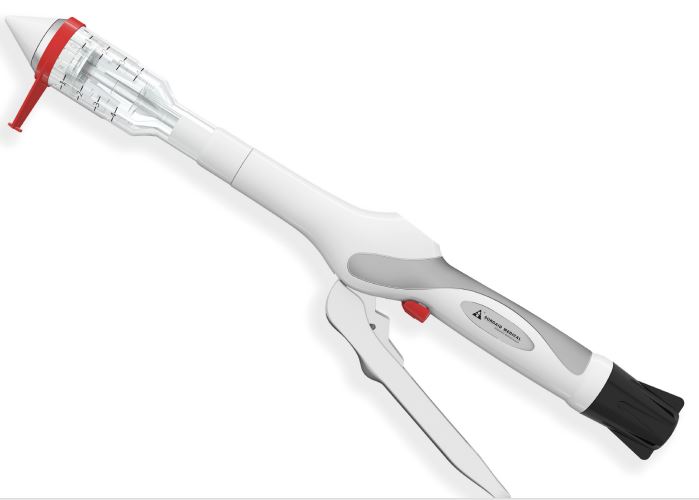
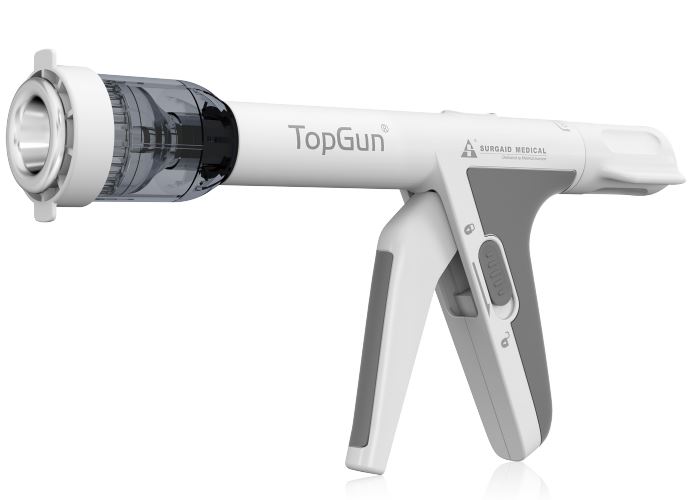
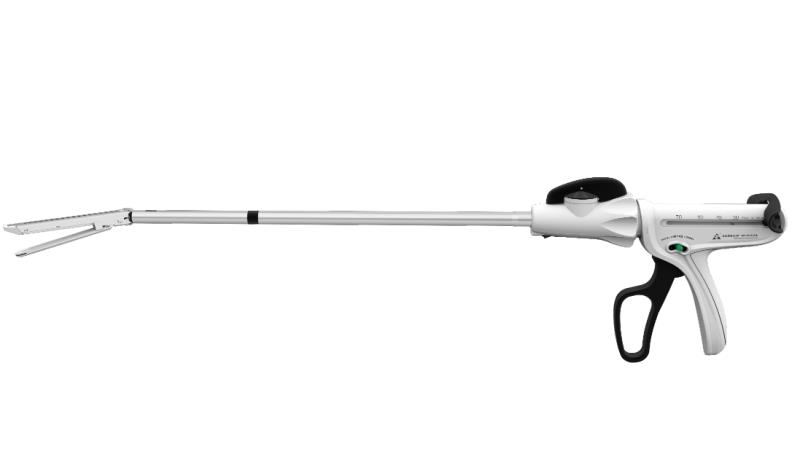
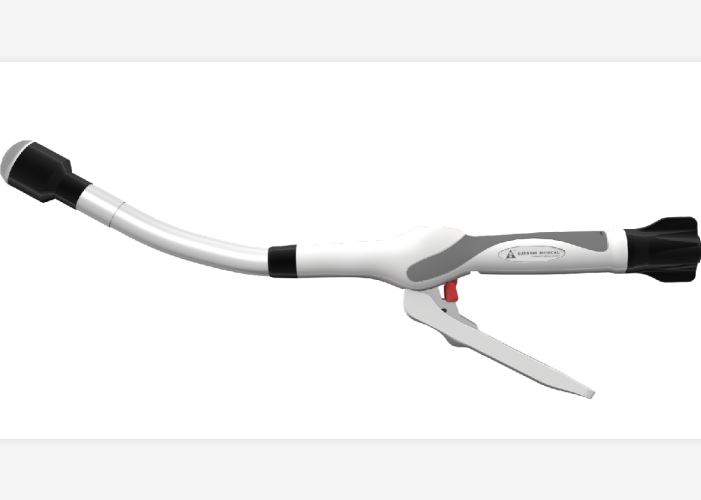
Surgaid Medical (Xiamen) Co., Ltd has been committed to surgical product development ,production and marketing for 10 more years . In particular, minimally invasive surgical products. Minimally invasive surgery is a surgical direction of development. Such as Disposable Laparoscopic Trocar, Linear Cutter Stapler, Circular Stapler, PPH, and so on.
Manufacturing our own Surgical products allows us to have complete control over the design and evolution of our products. We are able to adapt quickly to the constantly evolving healthcare market and offer high quality, single-use, cost-effective solutions that directly compete with global market-leaders.
Surgaid products:
For more product information at https://www.surgaid-medical.com