








Application of robots in gastric cancer surgery
The emergence of the Da Vinci robotic surgery system can be described as an innovation in the field of surgery, enabling the surgeon to leave the operating table and take off the surgical gown for the first time. It provides high-definition three-dimensional images, surgical field magnification, and flexible and accurate Robotic arm operation has brought minimally invasive surgery to a new level. Since the emergence of surgical robots, many medical institutions at home and abroad have carried out clinical applications and research.
Terashima et al. through a review of 8 meta-analysis shows that robotic surgery takes longer than laparoscopic and open surgery, while the amount of intraoperative blood loss is less and the postoperative hospital stay is shorter. The meta-analysis of our center comparing robot and laparoscopic gastric cancer surgery also yielded similar results, and pointed out that there was no statistical difference in surgical transfer rate, perioperative mortality, postoperative complication rate, length of resection margin, and number of lymph node dissections. Significant, but in the remote gastric cancer and early gastric cancer surgery, the number of lymph nodes removed by robotic surgery is larger, showing the advantages of robotic surgery. The results of related retrospective studies showed that there was no statistically significant difference in the total incidence of postoperative complications between robotic surgery and laparoscopic and open surgery. Studies have pointed out that because the robot operating arm can provide continuous and constant traction when exposing the surgical field, the traction of the first assistant during laparoscopic operation varies greatly, and the laparoscopic operation may affect the pancreas during upper pancreatic lymphatic dissection. There are more injuries, so that the incidence of pancreatic leakage after distal gastrectomy is significantly lower than that of laparoscopic surgery. Our center's research on high-fat gastric cancer patients with BMI≥24 kg/m2 shows that robotic radical gastrectomy takes longer and costs more than laparoscopic surgery, but is less affected by BMI changes and is more conducive to rapid recovery. The concept of surgery. Robotic surgery can not only obtain short-term effects comparable to laparoscopy, but also maintain the same long-term prognosis.
Studies involving the learning curve have confirmed that robotic surgery can significantly shorten the learning curve. Traditional laparoscopic surgery generally requires more than 50 cases to be completed, while robotic surgery requires only 20 cases. For physicians with rich experience in laparoscopic surgery, the semester curve can be shortened to The average was 8.2 cases.The application of the cumulative sum method (CUSUM) to the learning curve analysis of robotic gastric cancer surgery also confirmed that robotic gastrectomy requires only a short learning curve for experienced laparoscopic surgeons, and the operation will be conducted after completing 12 to 14 operations. More and more skilled. When the number of operating tables reaches 30 cases, it can have a higher level to perform operations for more complicated cases. Shakir et al. compared the use of robotic systems and 3D laparoscopic systems for beginners to complete operational tasks and pointed out that for surgeons with little experience, robotic systems are significantly better than 3D laparoscopic systems in reducing the error rate of operations and shortening the time to complete the operation advantage.
Choice of 3D minimally invasive surgical techniques
Some medical institutions have both platforms at the same time, and some institutions need to make a choice due to conditions. From the perspective of the cost of medical equipment, the Da Vinci surgical robot system undoubtedly has higher purchase and maintenance costs. At the same time, a certain amount of investment is required for the configuration of the operating room and personnel training, so the cost of surgery is relatively high. Family members are also an additional burden. Compared with robotic surgery, 3D laparoscopic surgery has a lower cost, and the operation has many things in common with the more popular 2D laparoscopy. For physicians who are experienced in 2D laparoscopic operations, they only need to be familiar with the 3D depth sense to perform the operation.
At present, for early gastric cancer surgery, complete endoscopic resection and gastrointestinal reconstruction can be performed without auxiliary incisions. Postoperative specimens are taken out through the Trocar tunnel. The flexibility and completion speed of the robot for microscopic gastrointestinal reconstruction and suture are much higher than 3D Laparoscopy. Robotic gastric cancer surgery patients recover faster after surgery, so they have better application prospects for elderly, weaker, and obese patients. In addition, compared with open surgery, the tactile feedback of laparoscopic surgery is partially lost, so the judgment of intraoperative tumors and abnormal tissues depends more on visual images, preoperative examinations and clinical experience; Robotic surgery, because of its operation and transmission, is processed by a computer, which eliminates hand tremor, but also completely loses tactile feedback. Therefore, the choice of 3D minimally invasive platform is not unique. It needs to consider the relevant factors of the patient's economy, disease and body. It should also be combined with the operation method, hospital conditions and experience level of the surgeon to make a comprehensive judgment.
An excerpt from the article: Chinese General Surgery Literature
Comprehensive compilation of Oncology Forum
Surgaid Medical (Xiamen) Co., Ltd
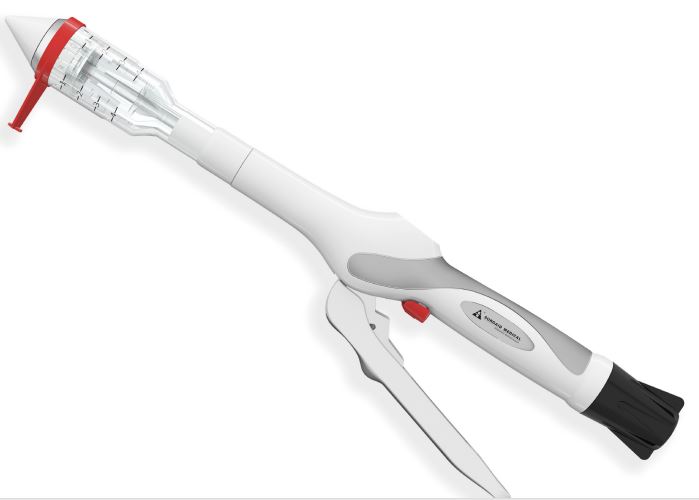
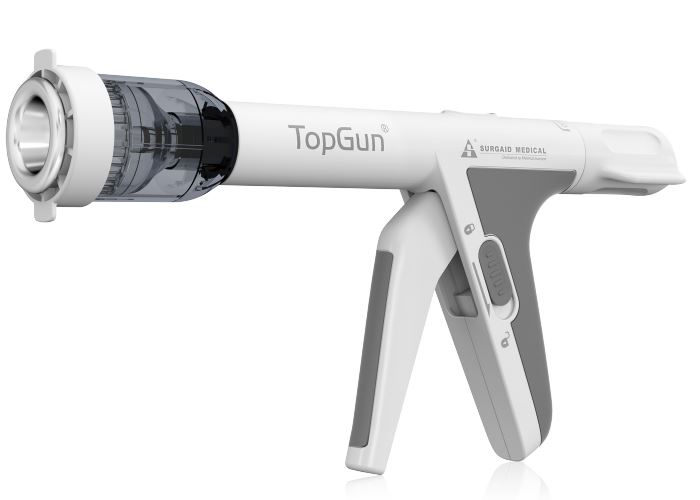
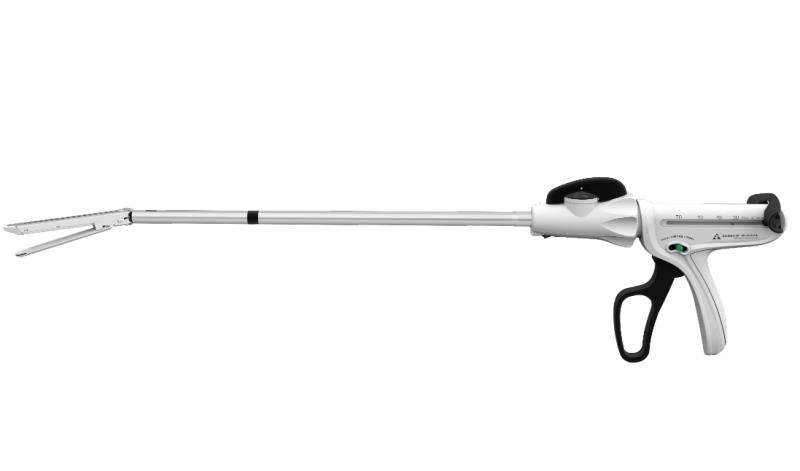
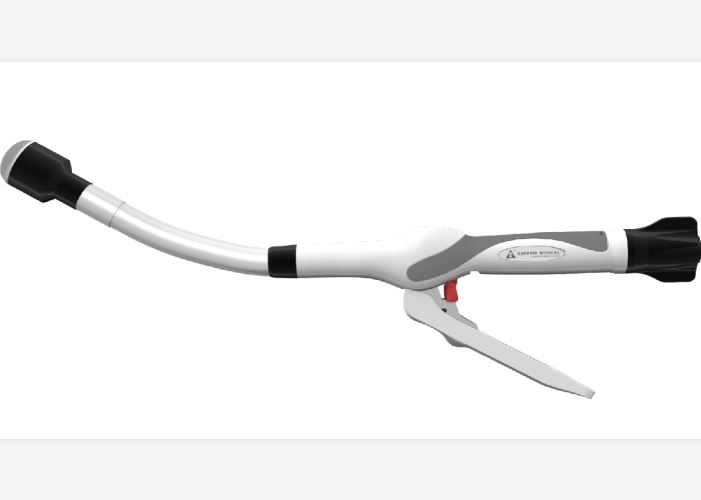
Surgaid Medical (Xiamen) Co., Ltd has been committed to surgical product development ,production and marketing for 10 more years . In particular, minimally invasive surgical products. Minimally invasive surgery is a surgical direction of development. Such as Disposable Laparoscopic Trocar, Linear Cutter Stapler, Circular Stapler, PPH, and so on.
Manufacturing our own Surgical products allows us to have complete control over the design and evolution of our products. We are able to adapt quickly to the constantly evolving healthcare market and offer high quality, single-use, cost-effective solutions that directly compete with global market-leaders.
Surgaid products:
For more product information at https://www.surgaid-medical.com