








The development of laparoscopic surgery in colorectal surgery has been basically mature. The development course of the past 30 years can be summarized as follows: The surgical technique is total mesangial resection of rectum (TME) and complete mesangial resection of colon (CME). On the technical platform, it is a laparoscopic and robot-assisted surgical system. In 2006, the NCCN Colon Cancer Clinical Practice Guidelines in the United States has made it clear that laparoscopic surgery has become one of the standard options for radical surgery for colon cancer. For laparoscopic radical rectal cancer surgery, the results of the rectal cancer subgroup in the CLASICC study have questioned the positive rate of the circumferential margin, but with the publication of the results of COREAN and COLOR II, laparoscopic The oncology-related results and long-term effects of radical resection of rectal cancer are finally supported by strong evidence-based medical evidence. Therefore, in the NCCN guidelines, the indications for laparoscopic radical resection of rectal cancer have experienced "not recommended (before 2012)" to "recommended for use in clinical trials (from 2012)", and then expressed in the 2016 version. A cautious and objective recommendation.
In terms of technology, with the application of ultrasonic scalpel, anatomical dissociation is developing in the direction of refinement, and key technologies such as lymph node dissection and vascular nakedness in radical surgery for colorectal cancer are guaranteed. The gradual advent of high-definition, ultra-high-definition, and 3D laparoscopic camera systems provides objective conditions for precise operations such as neuroprotection and lateral lymph node dissection during laparoscopic surgery. After the concept of rectal TME and colon CME and membrane anatomy were proposed, many scholars have in-depth discussions on the maintenance of mesangial integrity and the standardization of the scope of lymph node dissection, which has promoted more precise and standardized laparoscopic radical resection of colorectal cancer. In recent years, for some new surgical approaches, such as caudal approach, cephalic approach, and even transanal surgical approach for rectal cancer, transanal total mesorectal resection (taTME), some surgical strategies such as whether Dun’s fascia is preserved , Whether lateral lymph node dissection is necessary, how to practice ultra-low internal sphincterectomy (ISR) for rectal cancer, and how to standardize the technique of specimen retrieval through natural orifices have all been extensively and deeply explored.
Surgaid Medical (Xiamen) Co., Ltd
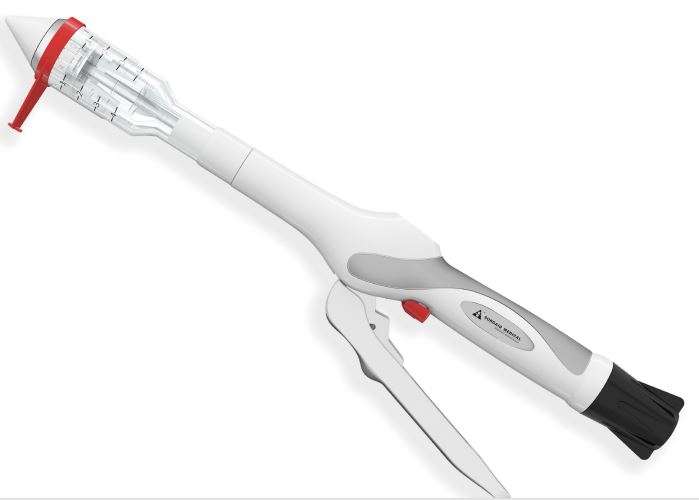
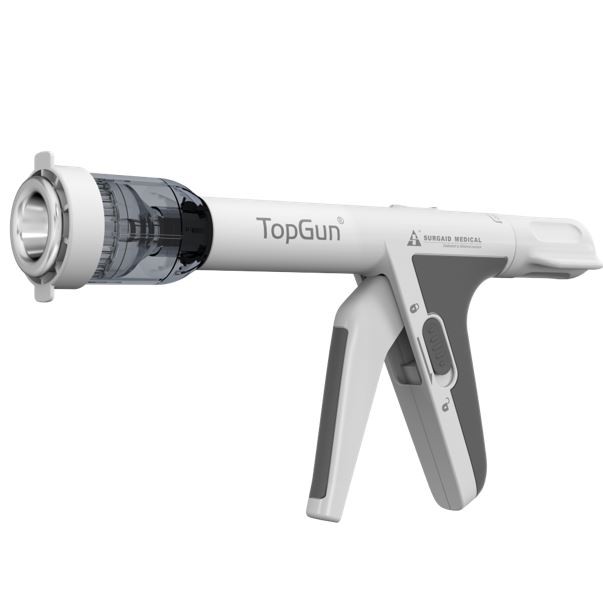
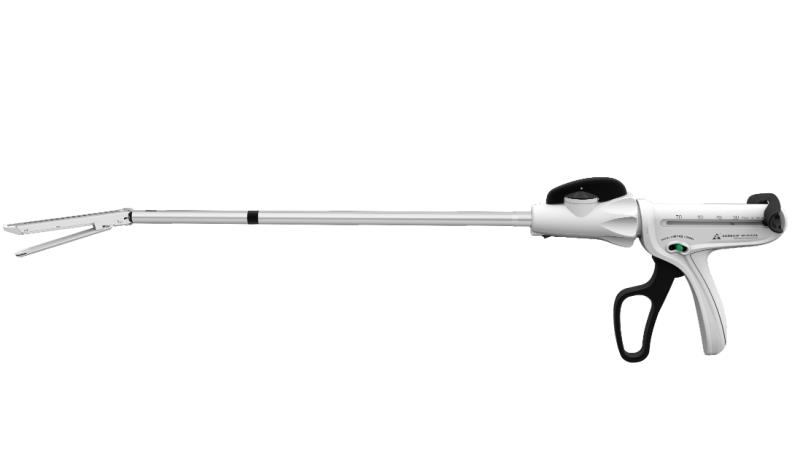
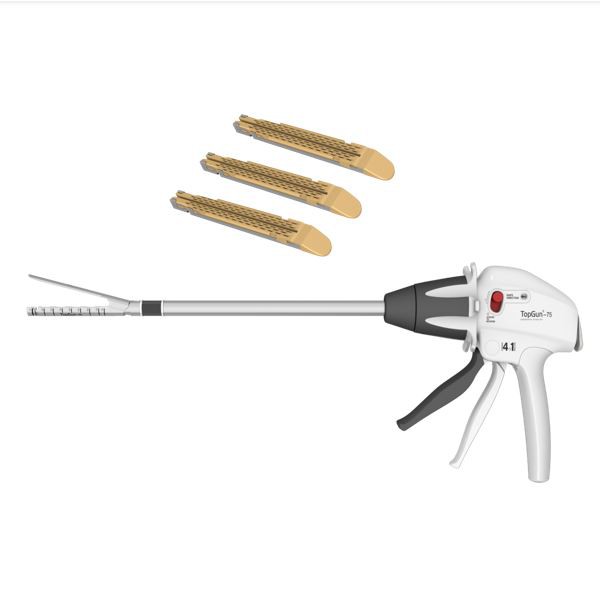
Surgaid Medical (Xiamen) Co., Ltd has been committed to surgical product development ,production and marketing for 10 more years . In particular, minimally invasive surgical products. Minimally invasive surgery is a surgical direction of development. Such as Disposable Laparoscopic Trocar, Linear Cutter Stapler, Circular Stapler, PPH, and so on.
Manufacturing our own Surgical products allows us to have complete control over the design and evolution of our products. We are able to adapt quickly to the constantly evolving healthcare market and offer high quality, single-use, cost-effective solutions that directly compete with global market-leaders.
Surgaid products:
For more product information at https://www.surgaid-medical.com