








The development history of metabolic surgery for weight loss
Modern weight-loss metabolic surgery methods have experienced the era of small bowel surgery that simply reduces the absorption of nutrients, the era of gastric surgery that simply reduces the effective gastric volume to reduce food intake, and the gastrointestinal surgery that simultaneously reduces the effective gastric volume and reduces the absorption of nutrients in the small intestine The era of surgery. In 1954, Kremen of the University of Minnesota in the United States tried to use small bowel bypass surgery to treat obesity after in-depth research on the physiological functions of the jejunum and ileum. Subsequently, Payne et al. designed a jejunum-transverse colon bypass operation, that is, the jejunum is transected in the middle and directly anastomoses with the transverse colon. After passing part of the jejunum, the chyme directly enters the transverse colon without passing through the distal jejunum, ileum and ascending colon.
In the initial experimental treatment plan, when the patient's body mass has dropped to a certain level, some patients' gastrointestinal tract will be selected for restoration surgery, and other patients will undergo jejunal-ileal bypass surgery; The results showed that after the jejunum-transverse colon bypass, the body weight of 10 patients was significantly reduced. One patient with a history of pulmonary embolism died of recurrent pulmonary embolism 6 months after the operation, and 6 patients were undergoing After the recovery operation, the body weight was restored to the level before the operation, while the 3 patients who had undergone jejunum-ileum bypass surgery maintained varying degrees of weight loss; Further analysis of the efficacy of jejunum-transverse colon bypass surgery revealed that 30 cm of jejunum and 10 cm of ileum were preserved, and the patient's reduced body mass could be maintained.
Since 1960, there have been more and more cases of successful weight loss after jejunum-transverse colon bypass and jejunum-ileum bypass. However, complications related to surgical design have also become a prominent problem, including liver failure. , The growth of Gram-negative bacteria and anaerobic bacteria in the intestinal lumen of the bypass intestine and the change of the morphology of the small intestine wall (separation of tight junctions between intestinal cells). The above pathological changes are defined as enterohepatic syndrome. In addition, there are nutritional problems, including vitamin deficiency, especially fat-soluble vitamin deficiency, electrolyte disorders, ketosis, iron malabsorption, hyperoxaluria, kidney stones, migrating joint pain, etc.
Therefore, in 1978, the National Institutes of Health (NIH) held a targeted expert consensus meeting. After the evaluation, the risk-benefit ratio of jejunal-transverse colon bypass and jejunal-ileal bypass was unbalanced. Therefore, this type of surgery is not recommended, and the small bowel is declared Road surgery to treat the end of obesity. Therefore, weight loss metabolic surgeons are marginalized by the prejudice of their surgical colleagues.
Despite this, there are still some physicians who are obsessed with the development of weight loss metabolic surgery and find another way for them, including Dr. Edward Mason, the founder of modern weight loss metabolic surgery. He believes that instead of shortening the small intestine to reduce absorption to achieve weight loss, it is better to achieve weight loss with surgical treatment combined with food intake restriction. In order to simultaneously reduce the volume of the stomach and reduce the length of the effective small intestine, Roux-en-Y gastric bypass (RYGB) was born. This makes weight loss metabolic surgery enter the era of gastrointestinal surgery from the era of small bowel surgery, which represents that weight loss metabolic surgery is gradually on the right track, and RYGB has also become a classic surgical method for weight loss metabolic surgery.
Scopinaro was equal to the design of biliary-pancreatic diversion in 1979, which was later optimized by Hess, Hess, Marceau, etc., into a modern version of biliopancreatic diversion with duodenectomy (biliopancreatic diversion with duodenal switch,BPD-DS). The operation consists of two parts, namely sleeve gastrectomy (sleeve gastrectomy, SG) to reduce food intake and duodenal transposition to reduce the absorption of nutrients in the small intestine. Due to the complexity of the operation, BPD-DS is usually completed in two phases for high-risk ultra-obese patients: SG is performed first, and duodenal transposition is performed after a certain degree of body weight loss. However, it has been found in clinical practice that some patients have reduced their body weight to a satisfactory level after the first stage of SG, and there is no need to perform duodenal transposition, so SG has gradually developed into an independent bariatric surgery. This suggests that effective weight loss can be achieved only by reducing the volume of the stomach.
In the late 1970s, the adverse reactions caused by the implementation of small bowel bypass surgery alone made the small bowel weight loss surgery fade out of history, and the surgical approach to treat obesity by reducing the effective gastric volume came into being. Including gastric septal surgery, vertical gastric banding, adjustable gastric banding, gastric folding, intragastric balloon treatment, etc., it has also achieved clinical effects superior to medical treatment of obesity.
In addition to the classification of bariatric surgery methods according to anatomical changes and weight loss mechanisms, various surgical methods have also been derived in gastrointestinal reconstruction techniques, such as single anastomotic gastric bypass and single anastomotic bypass surgery that have attracted more attention in recent years. Diodenal transposition, etc. In addition, on the basis of SG, a series of "sleeve stomach plus" operations have also been derived.
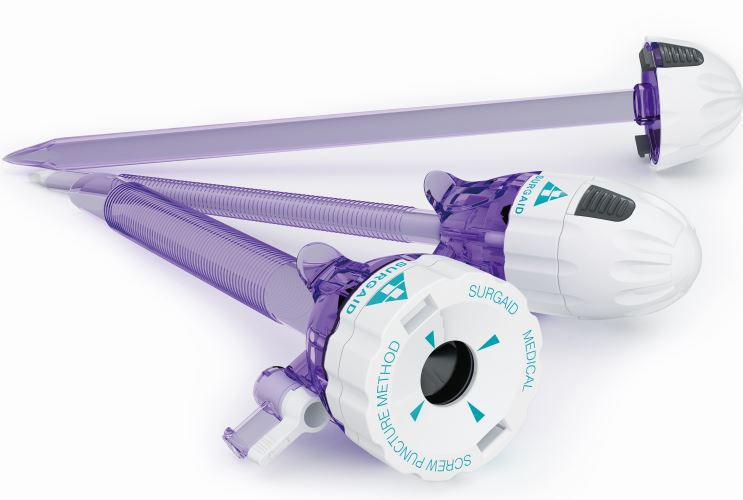
Surgaid Bladeless Bariatric Trocar
Laparoscopic optical trocar suppiler are available in high-quality stainless steel or high-performance plastic. We also have some innovation designs, such as universal sealing design increases resistance of instrument insertion without using the reducer and so on.We are the Disposable Bariatric Trocar distributor. We have been indecated to minimal invasion surgery for more then 10 years, what we can provide in safety, quality and satisfaction.
About Surgaid Medical products:
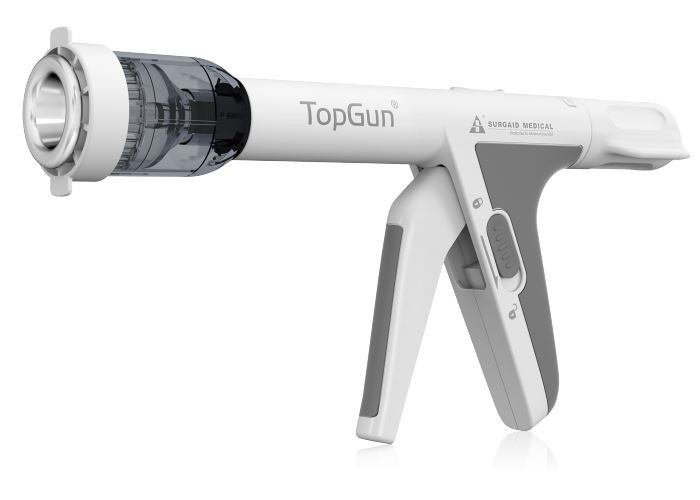
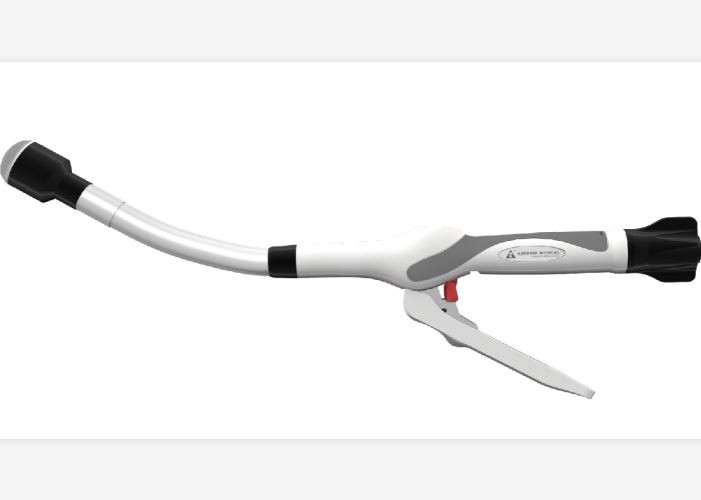
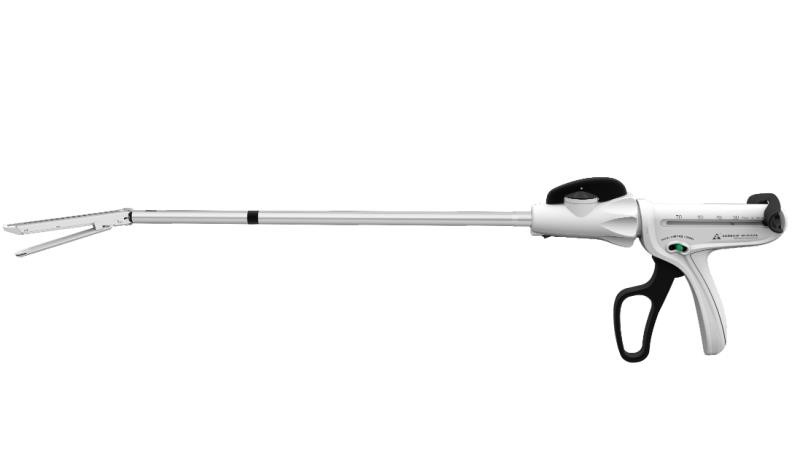
For more product information at https://www.surgaid-medical.com/