








Can the fetch bag be unnecessary
Some surgeons believe that the gallbladder does not need to be used in LC surgery, because the gallbladder itself is a good bag.
-
Gallbladder stones with cholecystitis, inflammation of the gallbladder wall may contaminate the puncture hole. When removing stones from the gallbladder, the wall of the gallbladder may be clipped, resulting in bile contamination and perforation and then infection of the incision. Bile flows into the abdominal cavity and needs to be flushed. Mild biliary peritonitis is inevitable and postoperative discomfort is inevitable.
-
Gallbladder polyps, benign and malignant are unknown, adenoma and early gallbladder cancer contact the puncture hole and easily cause implantation and metastasis. And regardless of 1, 2 there is a possibility that the clip that clamps the distal end of the cystic duct will be lost in the puncture hole.
Therefore, compared with the cost of taking the bag (it can also use extremely low-cost or even no-charge materials such as gloves, film packaging, etc.), it increases the probability of abdominal or incision infection, prolongs the hospital stay, and reduces postoperative comfort.
The correct posture for using the fetch bag
The importance of taking bags (including consumables, self-made gloves, film packaging bags, etc.) is to wrap the specimen in it, and pull the opening out of the puncture hole (it is easier to pull the opening into the puncture and pull it out together), and then Operate inside the bag with endoscopic stone-removing forceps to clamp the specimen.
Pulling the bag violently, or inserting clamps in the bag without clearly seeing the tip of the device will damage the bag and cause the above-mentioned pollution. Many doctors dislike the poor quality of collection bags, specimen bags, and gloves. This is really wronging them. When taking things, keep the bag wall tension-free, so that they can be taken without tension.
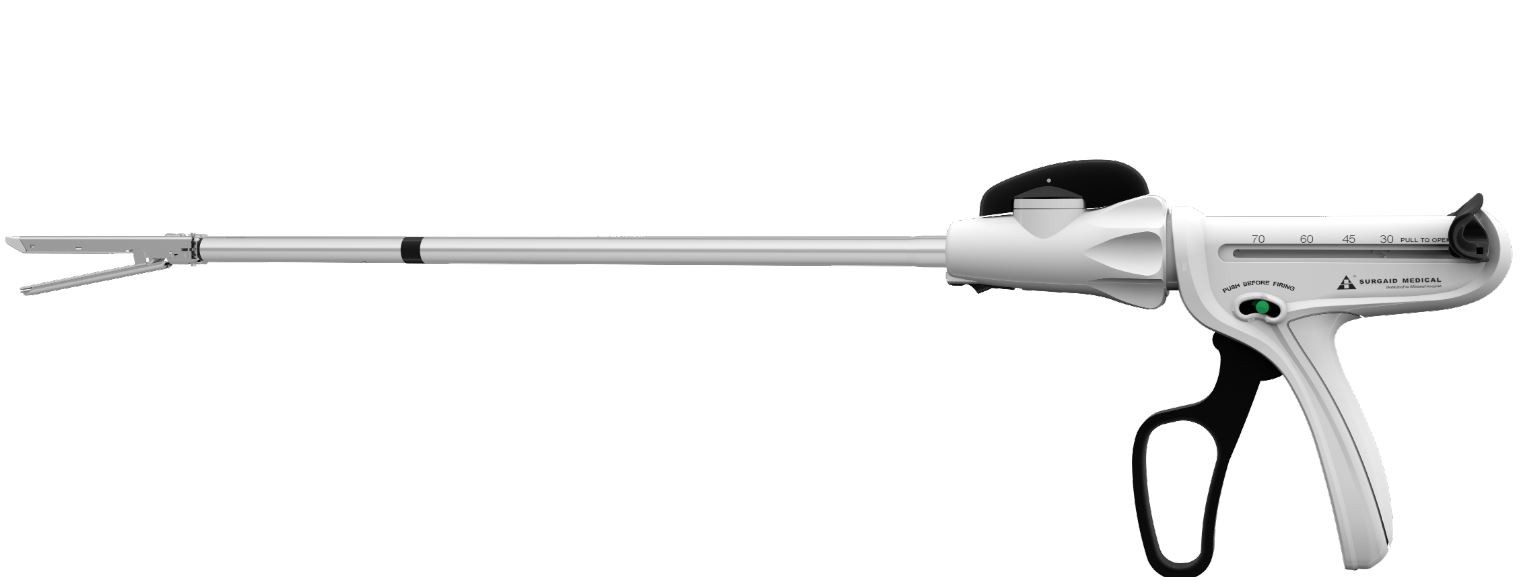
Endoscopic stone-removing forceps (pictured) are rod-shaped after being closed, and can be inserted into the bag along the puncture hole tunnel. The bag has a large space, and then open the first end for operation.
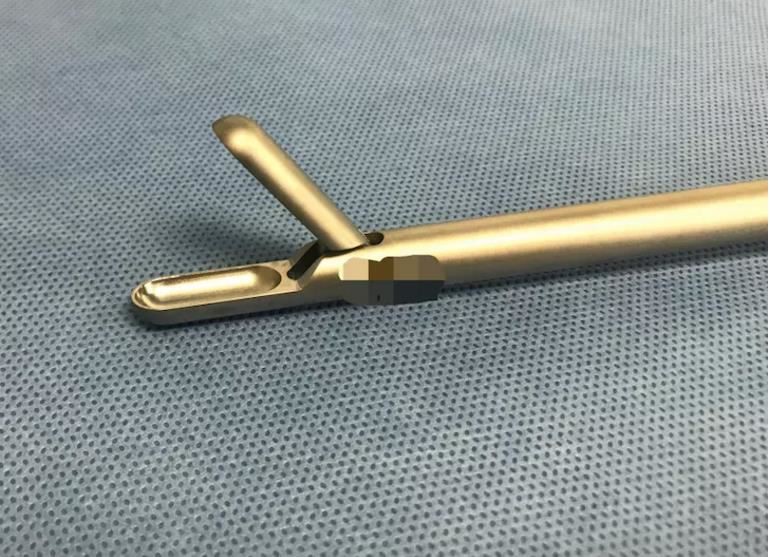
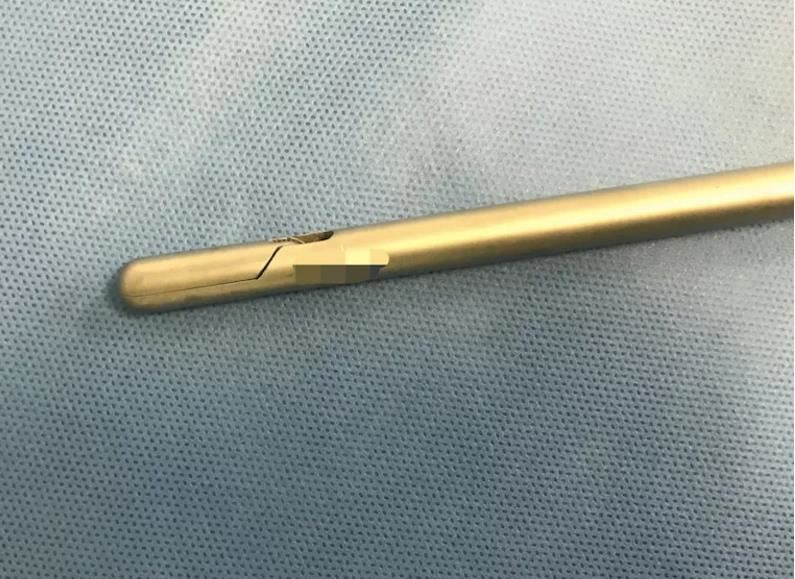
The head is rounded and the direction can be adjusted under the lens. Compared with other instruments, it is less likely to bite into the bag wall. It has a strong bite force and can bite stones.
Moreover, each bite can tear off a piece of tissue equivalent to the content of the head when removing the gallbladder. Unlike the vascular forceps, the oval forceps keep slipping, which makes people laborious and easily discouraged and irritable. Regardless of the size of the gallbladder with thickened inflammation, the light will be seen if you use the endoscopic stone removal forceps to take it patiently.
Tear the gallbladder wall, the bile flows into the retrieval bag, the aspirator sucks up the bile, and after all the gallbladder wall is taken out, the stones will not slip easily. Remember not to have any luck each time you get to the end. Ideally, pull the bag out of the abdominal cavity by force. It is easy to damage the bag and give up all previous efforts. After taking the last few strokes patiently, the pressure of the pneumoperitoneum will blow the bag out the most good.
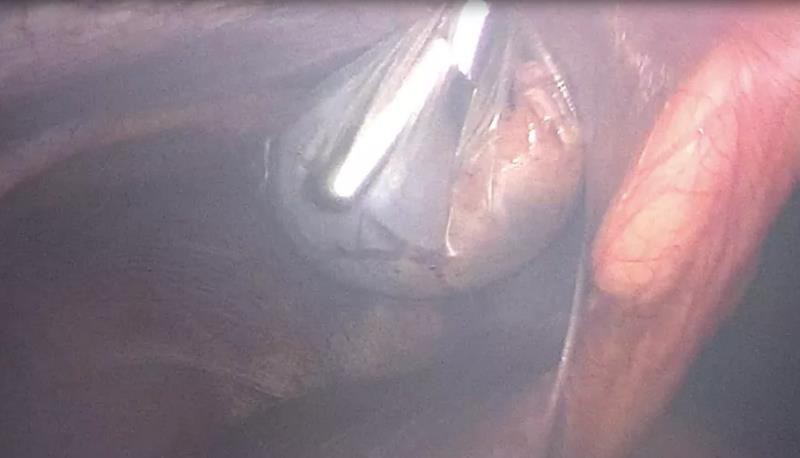
However, the opening range of the tip of the endoscopic stone removal forceps is limited, and it is more difficult to bite and crush stones with a diameter of more than 3 cm. The device is relatively long, and you need to raise your arms and shoulders when taking objects. Long-term operation will cause fatigue and pain. It is recommended to use a step stool.
The tension-free lithotripping method with the bag and endoscopic lithotriptor can be extended from the gallbladder to the appendix, spleen, liver hemangioma, FNH and other operations that are clearly benign and do not need to maintain the integrity of the specimen. Although after taking troublesome specimens, the wrists will be sore, and even the hands will have blisters and calluses, but not supporting or expanding the incision can significantly improve the patient's postoperative comfort and speed up recovery and discharge.
Our products:
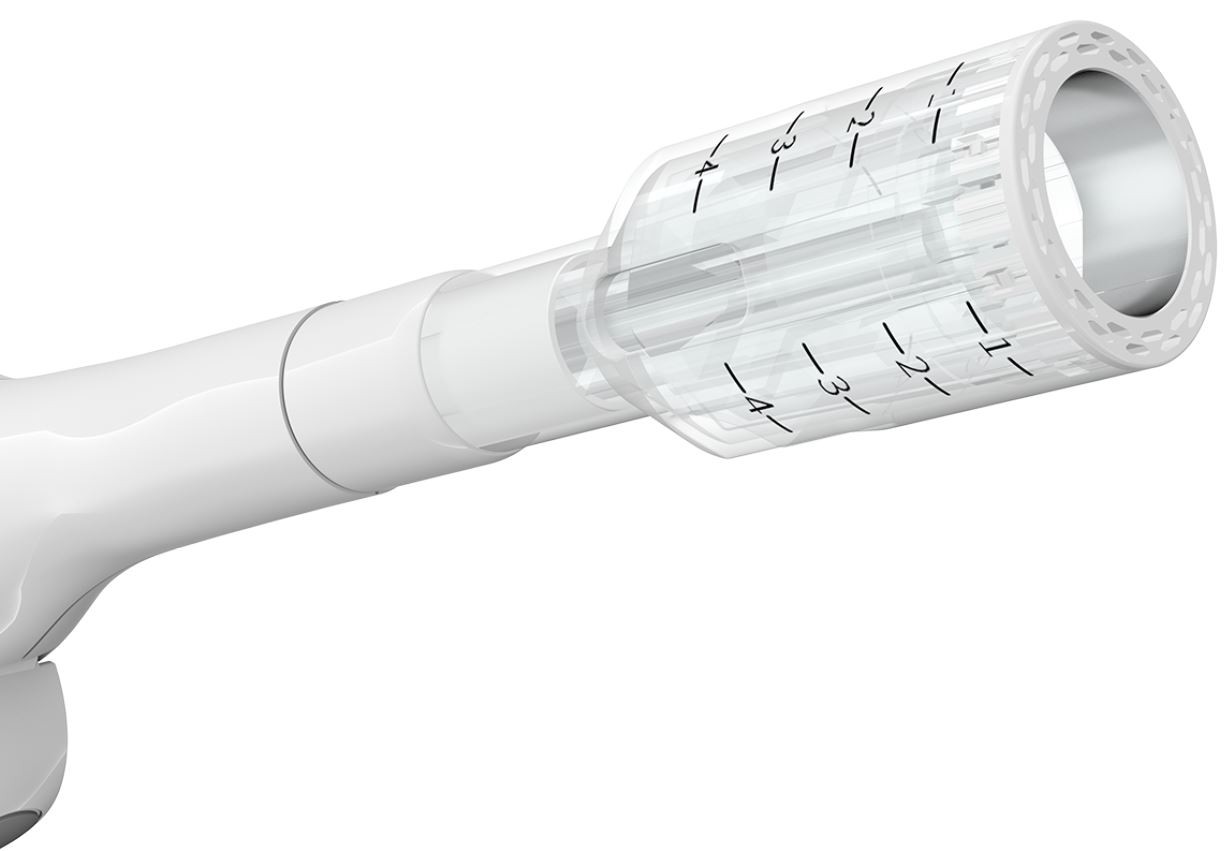
For more product information at https://www.surgaid-medical.com/