








1.1 Relative resistance relationship IPCD ≥ Proof of product bioburden
(A) Bioburden method
This method is to compare the natural bioburden of the test product with the BI bioburden, including quantitative comparison and resistance comparison. The quantitative comparison is to compare the spore count value of BI with the natural bioburden value of the product.
The comparison of resistance is to compare the resistance differences between different bacterial species. The BI used in ethylene oxide sterilization is Bacillus atrophicus, which is more resistant than most microorganisms and is well documented. It is worth noting that in recent years, Pyronema Domestica (Pyronema Domestica) has been found in some domestically-made cotton, which is highly resistant to ethylene oxide. Therefore, for products made of domestically produced cotton as raw materials, relevant testing of P. bryophylla should be considered, and pretreatment by moist heat sterilization if necessary.
(B) Sterility test method
This method is to sterilize the product and IPCD in the same sub-lethal cycle, and then perform the sterility test of the product and BI separately. If the product is tested as sterile, and the IPCD shows a partial positive result, it means that the same sterilization parameters can completely kill the product, but not BI, so it can prove the resistance of the IPCD to the sterilization process Stronger than the resistance of the product itself.
In the presence of Pyrotomyces brick, because the product is difficult to be sterilized by ethylene oxide, the product sterility test may still show a positive result under fairly strong process parameters. At this time, the relevant detection of P. bryophylla should be considered. Similarly, if necessary, pretreatment should be carried out by moist heat sterilization.
1.2 Proof of relative resistance relationship EPCD ≥ IPCD
This method of proof is relatively simple, usually by treating EPCD and IPCD in the same sublethal cycle, and then comparing their relative resistance to the sterilization process. The comparison of relative resistance is generally done through the calculation of the D value. The larger the D value, the stronger the resistance. If the calculated D value of EPCD is greater than the D value of IPCD, it can prove that the resistance of EPCD is stronger than that of IPCD.
It is worth noting that sometimes EPCD resistance is slightly weaker than IPCD. For this, ISO/TS 11135-2:2008 points out that if the resistance difference between two PCDs is less than 20%, these two PCDs can be regarded as equivalent. The author suggests that this situation should be avoided as much as possible in actual work. According to the above principles, if a new PCD needs to be introduced, the new PCD and the original PCD can be treated in the same sublethal cycle, and then their resistance can be compared to determine whether a new PCD can be introduced.
This method is also a widely used method when new products are introduced, that is: when new products need to be introduced into the current confirmed sterilization process, BI can be placed in the most difficult-to-sterilize part of the new product to form a candidate For IPCD, the candidate IPCD and the confirmed PCD are treated in the same sublethal cycle, and then their resistance is compared. If the resistance of the candidate IPCD is weaker than the confirmed PCD, it means that the new product is easier to sterilize than the previous product or PCD and can be sterilized by the current sterilization process.
About Surgaid products:
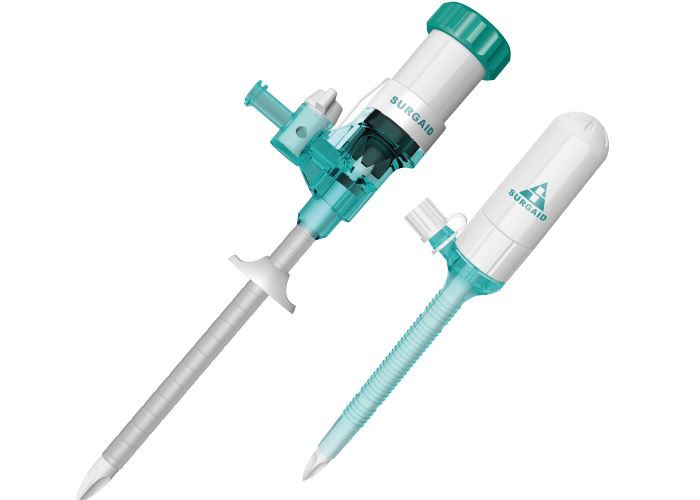
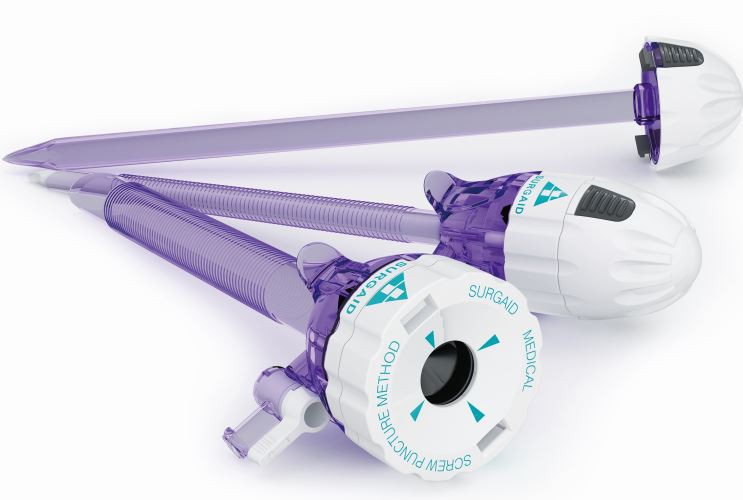
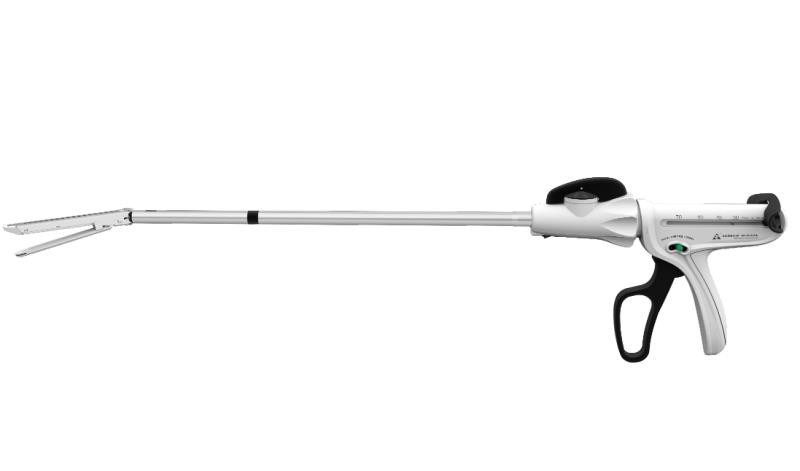
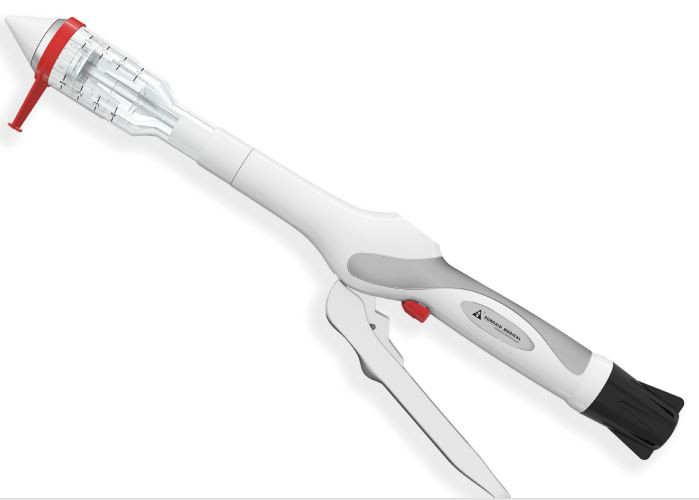
For more product information at https://www.surgaid-medical.com/