








2.1 Calculation method of D value
As mentioned in Part 1, when choosing a PCD, you need to compare its resistance. The specific measure is the D value. The D value refers to the time or dose to inactivate 90% of the test microorganisms under the established conditions (for EO sterilization, it is the sterilization time).
The calculation of D value has HSKP method, SMCP method, etc. The calculation formula of the more common SMCP method (Stumbo-Murphy-Cochran Procedure) is listed below:r is the number of BIs that tested negative.
2.2 The meaning of D value
The D value is an important indicator. As mentioned above, the resistance of PCD to the sterilization process can be compared. Different PCD can calculate the D value according to the above formula after the sublethal cycle. The larger the D value, the stronger the PCD resistance.
At the same time, the D value can also be used to estimate the required sterilization time. The D value actually reflects the sterilization time required for the bio-burden to decrease by a logarithmic value, that is, the sterilization time required for the bio-burden to decrease by 101. Assuming that the bio-burden of PCD is 106, in the half-cycle method, PCD should be completely killed, so the half-cycle sterilization time should be equal to 6 times the D value or longer. The full cycle and regular sterilization time are doubled, which is equal to 12 times the D value or longer.
Ethylene oxide residue
After medical equipment is sterilized by ethylene oxide, there will be a certain degree of residue. Residual substances may harm human health, so they need to be controlled. The main method is aeration. Usually in the sterilization confirmation (can also be in the routine processing) the detection of residual amount, based on which to determine the required analytical conditions.
3.1 Residual substances
When using ethylene oxide to sterilize medical devices, there are three possible residual substances: (a) ethylene oxide (EO) (b) 2-chloroethanol (ECH) (c) ethylene glycol ( EG) ISO 10993-7:2008 specifies the maximum allowable residual amount of ECH when ECH exists in medical devices sterilized by EO, but it does not specify the exposure limit of EG, because when EO is controlled according to the requirements of this standard, it is not very There may be residual amounts of EG that have significant biological effects. Therefore, in the sterilization residue detection, EO and ECH are mainly detected.
3.2 Residual limit
Regarding the limits of residues, the standards of various countries are different. Some countries adopt the limit standard of mg/device, and some countries adopt the limit standard of ppm (μg/g). The prevailing standards in most European and American countries are ISO standards. According to the different contact time, devices are divided into short-term contact, long-term contact, and long-term contact (Note: There are also special circumstances for the device), and the residue limits are respectively specified.
my country's current standard GB/T 16886.7-2001 is equivalent to 1995 version ISO 10993-7. It is worth noting that since ISO 10993-7 has been upgraded from the 1995 edition to the 2008 edition, the latter standard is more stringent. Taking short-term contact devices as an example, GB/T 16886.7-2001 is equivalent to 1995 version ISO 10993-7, and its stipulated limit is that EO does not exceed 20 mg/device and ECH does not exceed 12 mg/device; while 2008 version ISO 10993-7 The prescribed limit is that EO does not exceed 4 mg/device and ECH does not exceed 9 mg/device. In addition, my country also stipulates that the residual amount of EO shall not exceed 10μg/g for disposable medical devices, so this requirement should be paid attention to for domestic products.
About Surgaid products:
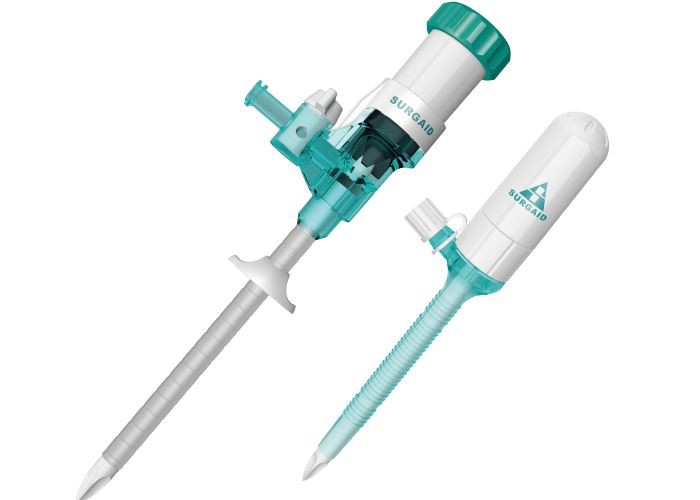
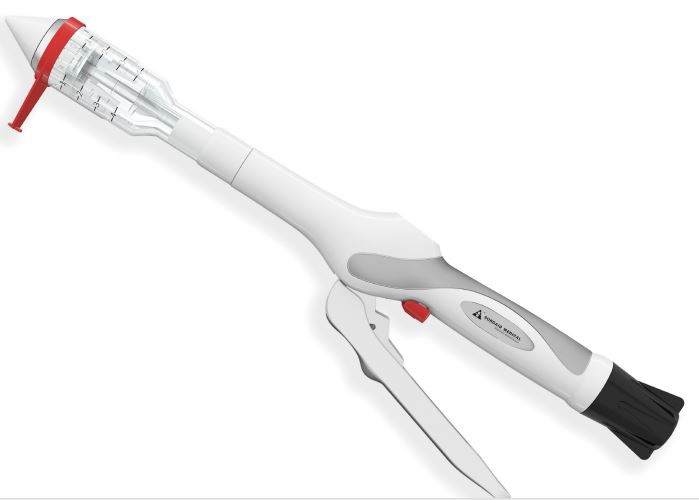
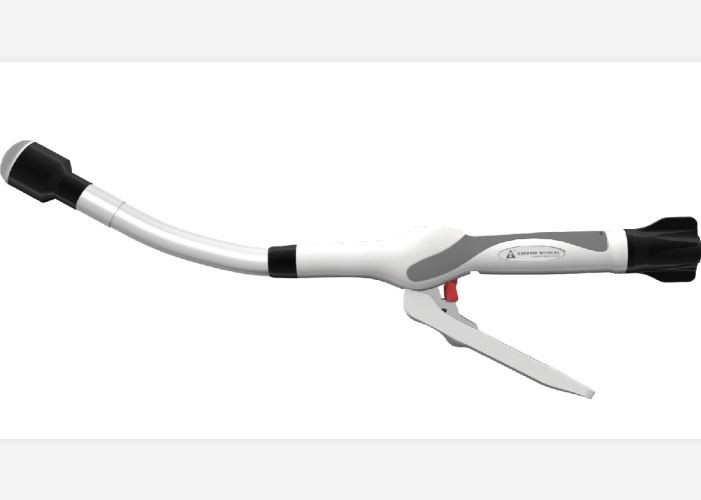
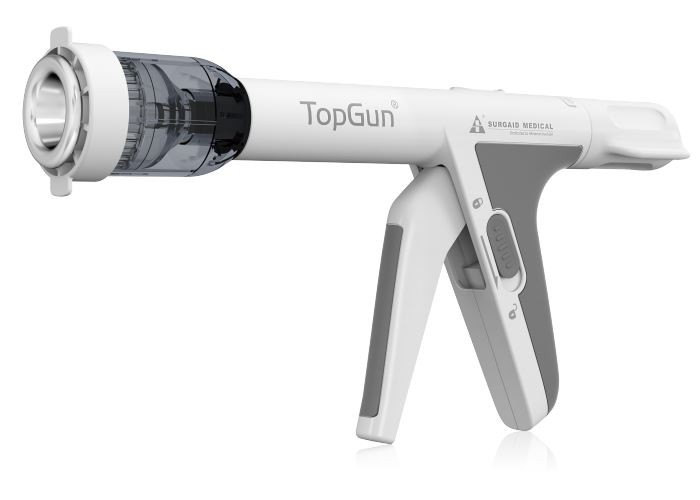
For more product information at https://www.surgaid-medical.com/