








Lumbar hernia is a clinically rare hernia, which occurs in the waist and protrudes from the upper or lower lumbar triangle.
A hernia that protrudes between the 12 ribs and the iliac crest via the abdominal wall or the posterior peritoneum is a tissue defect that occurs in the posterolateral abdominal wall. Lumbar hernias usually occur on the left side, and the upper lumbar triangle is more common than the lower lumbar triangle.
Lumbar hernia can be divided into two categories: congenital lumbar hernia and acquired lumbar hernia. Acquired lumbar hernia can be divided into primary lumbar hernia and secondary lumbar hernia according to the cause of disease.
1.diagnosis
Lumbar hernia is common in older and thinner men. Because it is less common in general, surgeons do not know enough about it, which often leads to misdiagnosis or missed diagnosis.
When receiving patients with suspected lumbar hernia, special attention should be paid to physical examination. Ask whether the patient has a history of low back pain, whether the tumor can be recovered when pushed in the prone position, and whether there is a shock when coughing, etc.
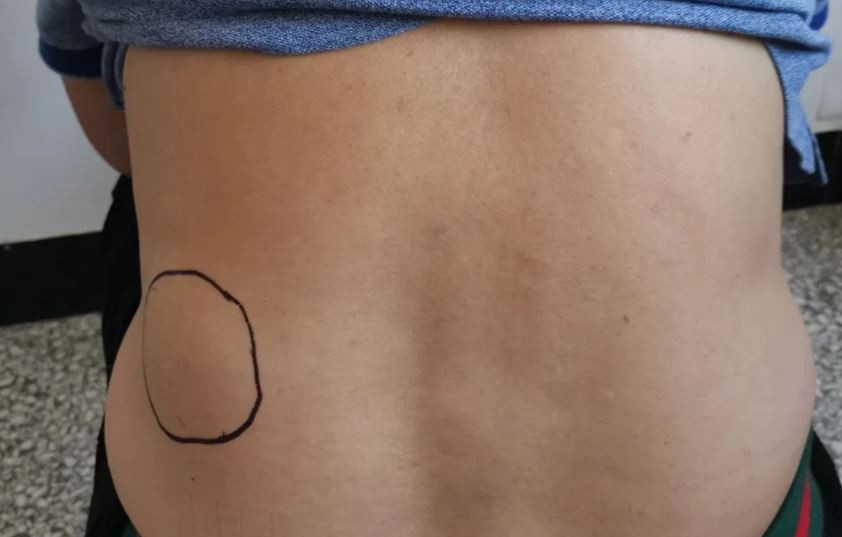
2.Examination
Ultrasound examination has the advantages of economy, convenience, and non-invasiveness. It can dynamically observe the movement of the hernia content with breathing in real time, so it is the first-choice auxiliary examination. Ultrasound of patients with lumbar hernia often reveals that there is a heterogeneous mass hypoechoic mass under the fascia layer of the lumbar back, with clear boundaries, and the continuity of the echo of the deep facial muscle layer is interrupted, which is connected to the abdominal cavity and can be returned to the abdominal cavity.
CT and MRI can not only clarify the size of the hernia ring, the degree of weakness of the surrounding abdominal wall muscles and the relationship with the bone tissue, but also indicate the nature of the hernia content and further exclude other diseases, which can guide the clinical selection of appropriate surgical methods.
3.Treatment
After the lumbar hernia forms, it cannot heal itself, and surgery is the only way to treat lumbar hernia. At present, there is no international guideline on the surgical treatment of lumbar hernia, and the surgical methods of lumbar hernia are mostly open. In recent years, with the maturity of laparoscopic technology, the technique of repairing lumbar hernia through laparoscopy has also been popularized.
Compared with open surgery, the application of laparoscopic technique to repair lumbar hernia can avoid extensive muscle separation, reduce the occurrence of postoperative pain, have good postoperative comfort, and shorten the average hospital stay.
For lumbar hernias with large defects, when laparoscopic hernia repair is difficult, the appropriate surgical method should be selected after comprehensive evaluation.
For most surgeons, laparoscopic lumbar hernia repair is technically difficult and requires special learning and guidance.
About Surgaid products:
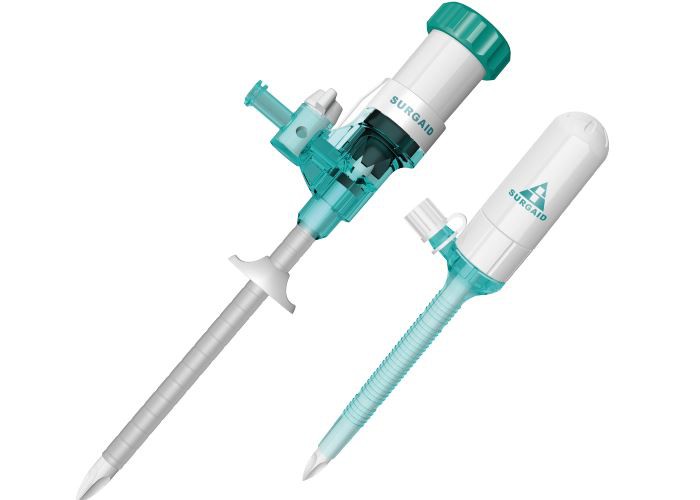
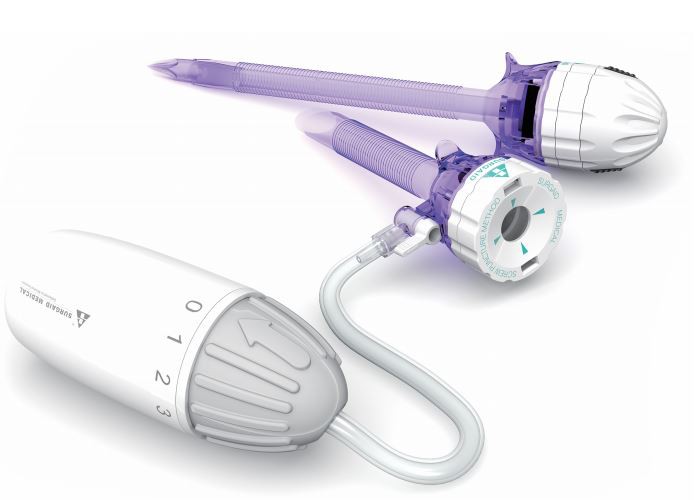
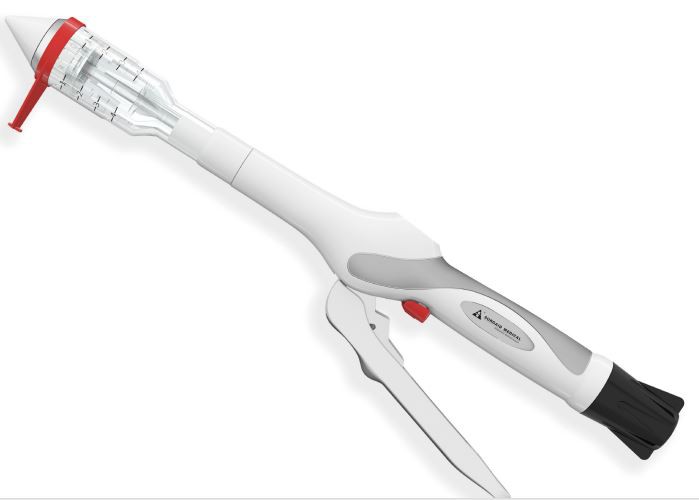
For more product information at https://www.surgaid-medical.com/