








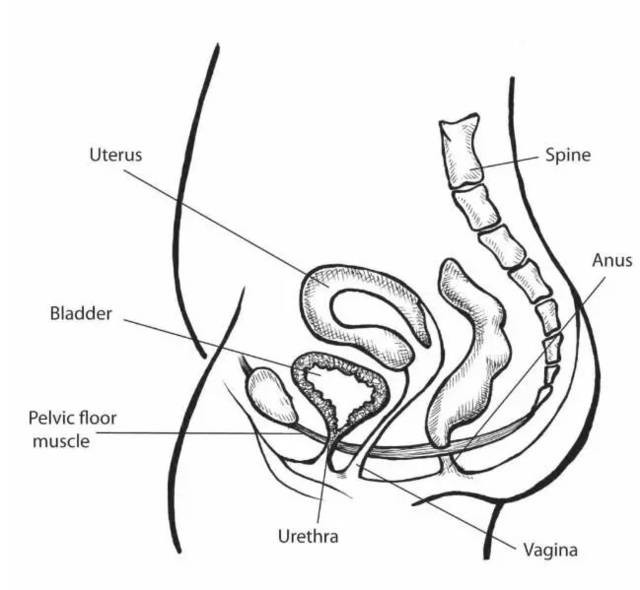
Perineal hernia refers to a hernia formed by abnormal protrusion of organs or tissues into the perineal area through the pelvic floor. The pelvic fascia and muscle tissues such as the small intestine, colon and bladder protrude from weak positions. The incidence of women in the population is higher than that of men, which may be related to the weakened pelvic floor function caused by pregnancy or childbirth.
According to the relative relationship between hernia and perineal muscle, it can be divided into anterior perineal hernia and posterior perineal hernia. Anterior perineal hernia refers to the hernia sac located between the urethra and vagina, and posterior perineal hernia refers to the hernia sac located between the vagina and the distal end of the rectum and the anal canal.
1.diagnosis
Patients with perineal hernia often manifest as perineal masses, difficulty in urination and defecation, urinary incontinence, perineal pain, and swelling. Can be combined with ultrasound, CT, MRI and other auxiliary examinations for diagnosis.
2.treatment
There are many surgical methods for perineal hernia, each of which has its own advantages and disadvantages. Including open transabdominal approach surgery, transperineal approach surgery, laparoscopic perineal hernia repair and combined surgery. Although there are various surgical methods, they all follow the basic principles: separating the hernia sac, returning the contents of the hernia, removing the hernia sac and repairing the defect.
About surgaid products:
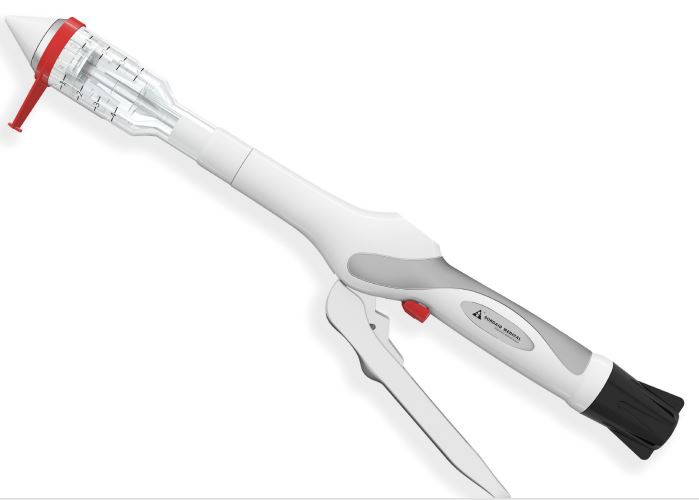
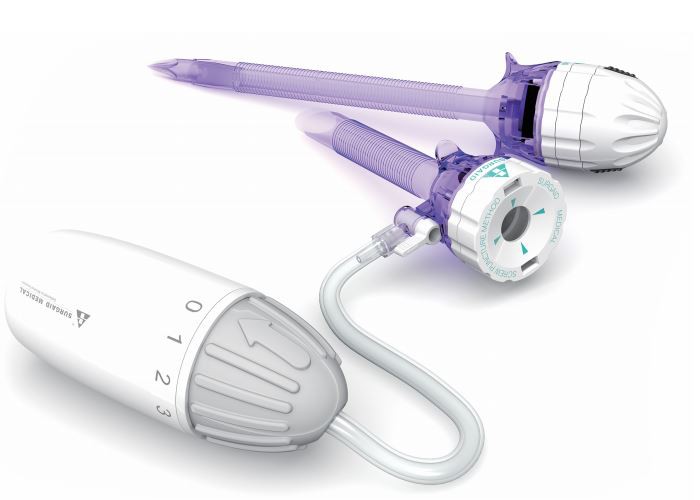
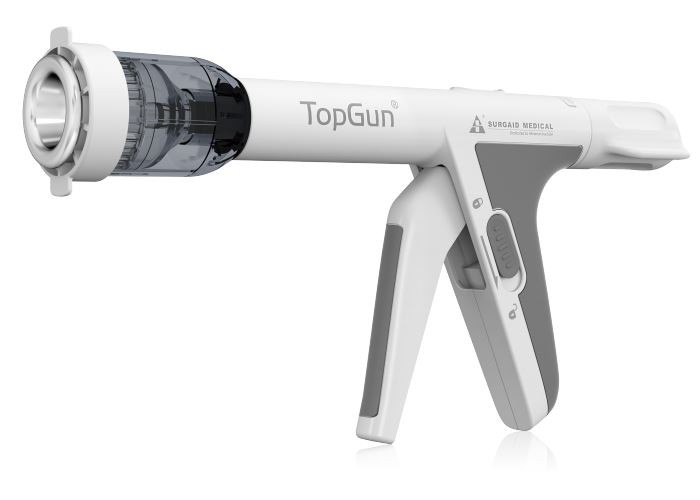
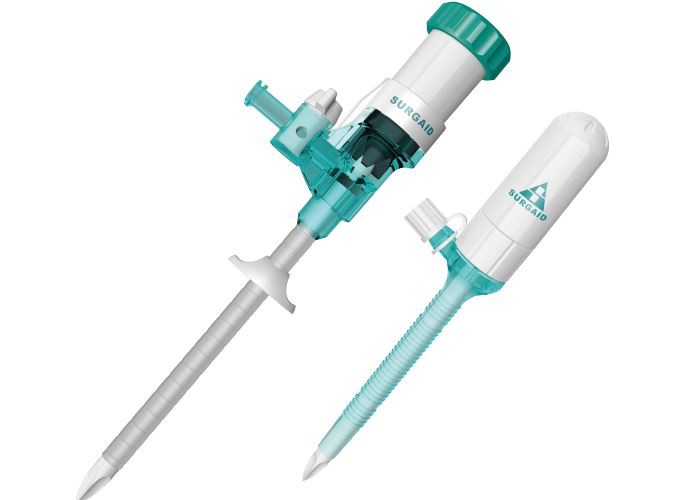
For more product information at https://www.surgaid-medical.com/