








With the popularization of laparoscopic technology, many abdominal diseases can be treated through laparoscopy, but occasionally some complications occur, it casts a shadow over the smooth operation, and it has a bad influence on the patient's recovery.
What's the reason for that? How to avoid it?
Many of us are used to removing the poke card as soon as the pneumoperitoneum is closed after the operation, In fact, the abdominal cavity is still in a state of high pressure during this process, and the sudden withdrawal of the card will cause internal organs in the abdominal cavity, Especially the small intestine and the greater omentum are stuck on the trocar.
If you don't pay attention to the suture and poke the trocar hole, it will cause consequences such as intestinal hernia. Although the probability of occurrence is small and there are many reasons, this situation exists objectively.
In addition, the position of the drainage tube will also change in the condition of pneumoperitoneum and in the state of no pneumoperitoneum. Sometimes an anastomotic leak that occurs after the operation is delayed and cannot heal. During the inspection, it is found that the drainage tube has penetrated into the anastomosis.
One reason for this situation is that in the pneumoperitoneum, the drainage tube is placed in the best position, but after the pneumoperitoneum is closed, the position of the drainage tube folds and changes, and sometimes it gets stuck near the anastomosis.
1. Turn off the air first, then observe
First close the pneumoperitoneum, and then use a 5 mm trocar to slowly exhaust air, so that the pressure of the abdominal pneumoperitoneum is slowly decreased, and the position of the intestine is observed.
2. look at the intestinal tube, pendulum drainage
Observe whether the small intestine penetrates into the mesangial hiatus as the pressure of the pneumoperitoneum drops, and whether the drainage tube flexes and changes its position.
3. see and pull out the card slowly
Observe the conditions in the abdominal cavity with a laparoscope, and slowly remove other operation trocars.
4. Touch Auxiliary port
Then through the auxiliary incision, touch the bottom of the other trocar with your finger.
5. Lift up and shake
Finally, lift the abdominal wall and shake it to make sure that no omentum herniates into the trocar hole. As for the small intestine or omentum after the operation, the chances of herniating into the small intestine or omentum should not be great!
Of course, there is already a suture device specially used to close the trocar hole, the above recommendation is suitable for units without this device!
Surgaid Medical (Xiamen) Co., Ltd
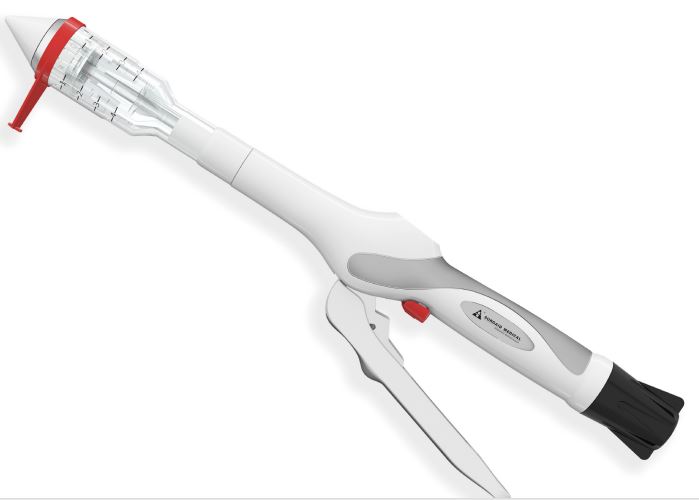
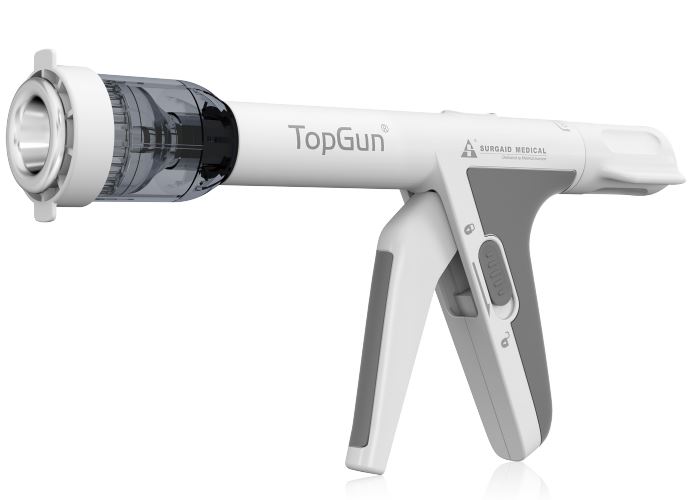
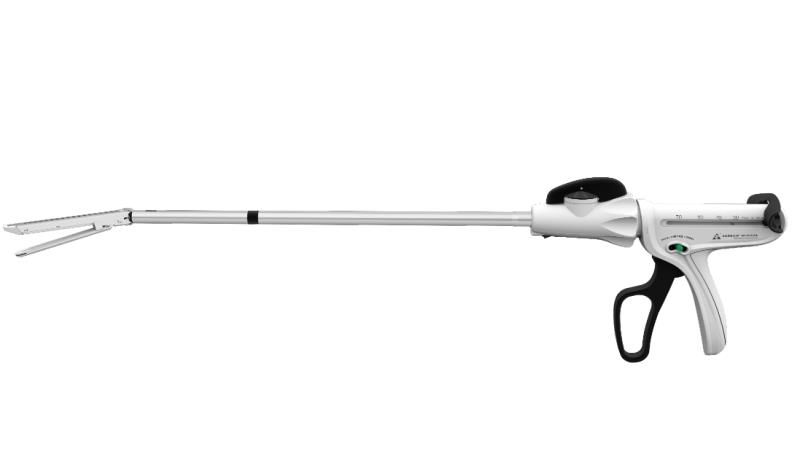
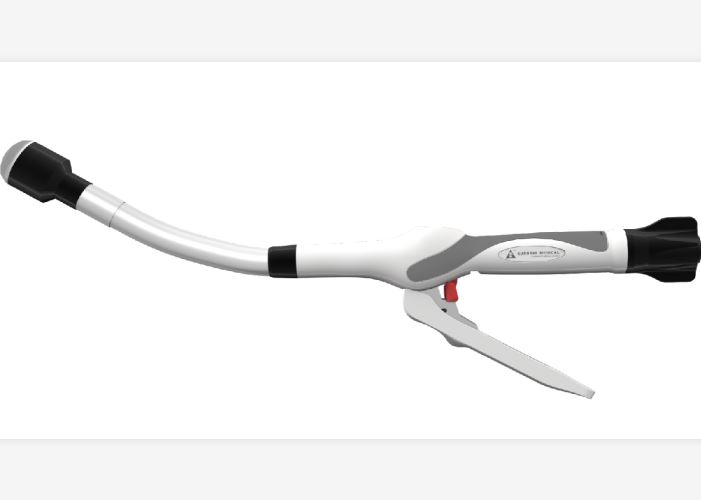
Surgaid Medical (Xiamen) Co., Ltd has been committed to surgical product development ,production and marketing for 10 more years . In particular, minimally invasive surgical products. Minimally invasive surgery is a surgical direction of development. Such as Disposable Laparoscopic Trocar, Linear Cutter Stapler, Circular Stapler, PPH, and so on.
Manufacturing our own Surgical products allows us to have complete control over the design and evolution of our products. We are able to adapt quickly to the constantly evolving healthcare market and offer high quality, single-use, cost-effective solutions that directly compete with global market-leaders.
Surgaid products:
For more product information at https://www.surgaid-medical.com