








The basic equipment of laparoscopic surgery is a prerequisite for laparoscopic surgery to capture the field of vision, including:
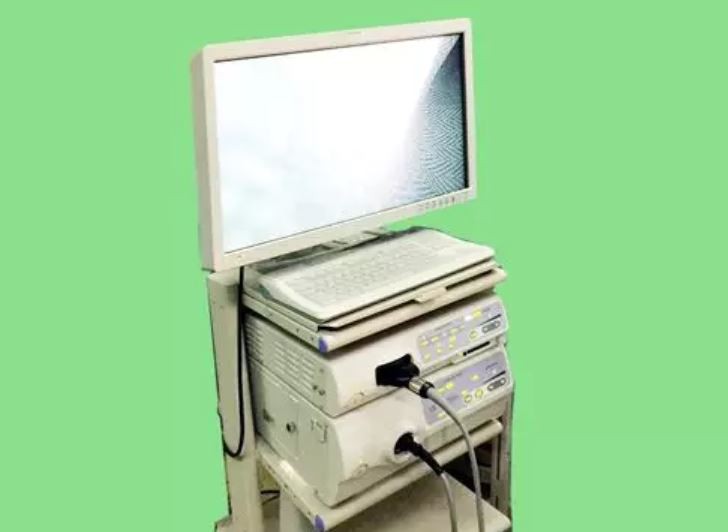
(1) Camera system
The picture pick-up system takes the image of the endoscope eyepiece and processes it to form a standard video signal, which can be restored to a field of view image on any digital or analog display. The camera system consists of three parts: camera, signal processor and display. The higher the resolution coefficient of the camera system, the clearer the image.
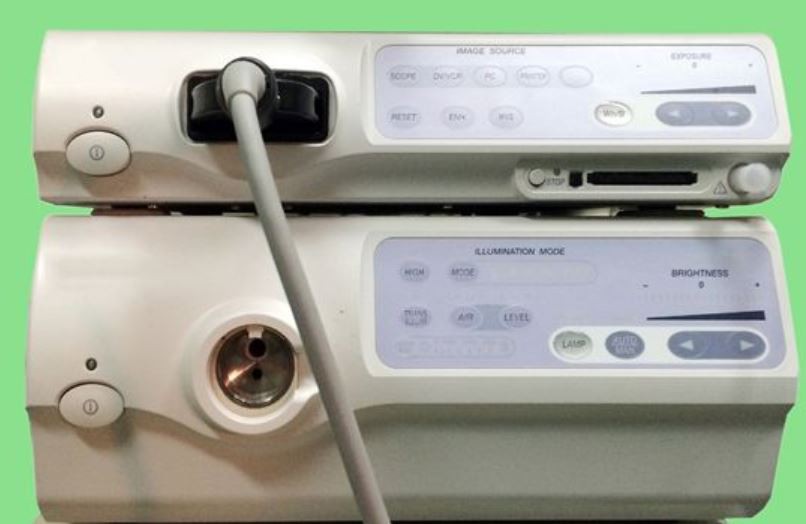
(2) Cold light source
The light source for cavity mirrors The general power is between 250 and 300 W, mostly xenon lamps or metal halide lamps, with high brightness and high heat generation. Therefore, it is necessary to place an infrared filter device in front of the luminous body, so that it can not only have strong light output, but also greatly reduce the heat generation, and protect human tissues from thermal burns. The light output is delivered by the optical fiber to the cold light source to the light guide interface on the cavity mirror. The light output can be adjusted manually or automatically according to the brightness of the image.
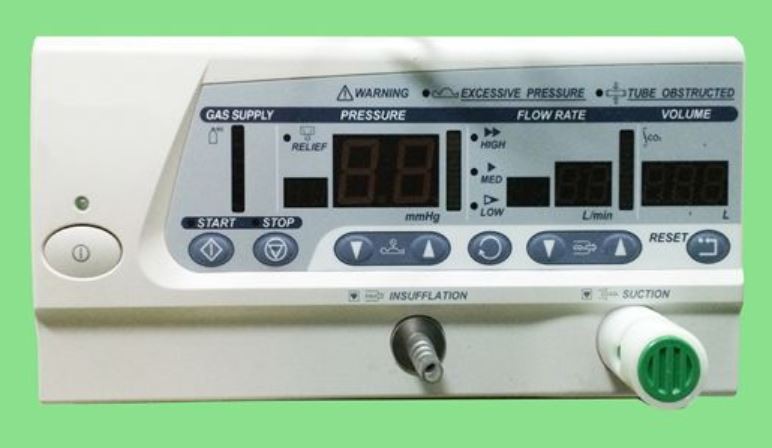
(3) Pneumoperitoneum machine
Pneumoperitoneum machine is mainly used for laparoscopy. Carbon dioxide gas is generally used to inflate the abdominal cavity to form an artificial pneumoperitoneum manufacturing space.
The size of the space depends on the pressure of the gas in the abdomen. Generally, the pressure of the pneumoperitoneum is below 15 mmHg. The insufflator can work automatically after the pressure is set. When the intra-abdominal pressure is lower than the set value, the insufflator will inflate into the abdomen. When the pressure reaches the set value, stop the inflation. When the set value lasts for more than 1 s, the insufflator will give an audible and visual alarm and automatically exhaust air to the outside of the cavity to ensure constant intra-abdominal pressure and patient safety. The larger the inflation flow per minute of the insufflator, the smaller the intra-abdominal pressure fluctuation during the operation. Generally, more than 9 L/min can meet the clinical application. Carbon dioxide is liquid in the reservoir, and then filled into the abdominal cavity after turning into a gaseous state. In order to reduce irritation, most insufflators have heating devices to heat the low-temperature gaseous carbon dioxide to 37°C before filling into the abdominal cavity.
Surgaid products:
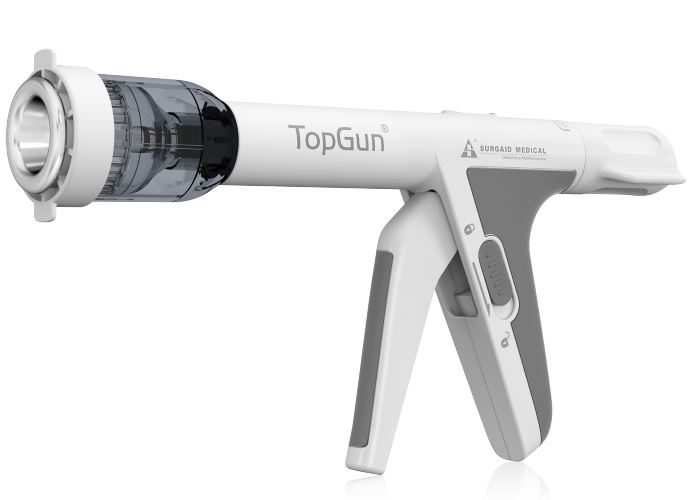
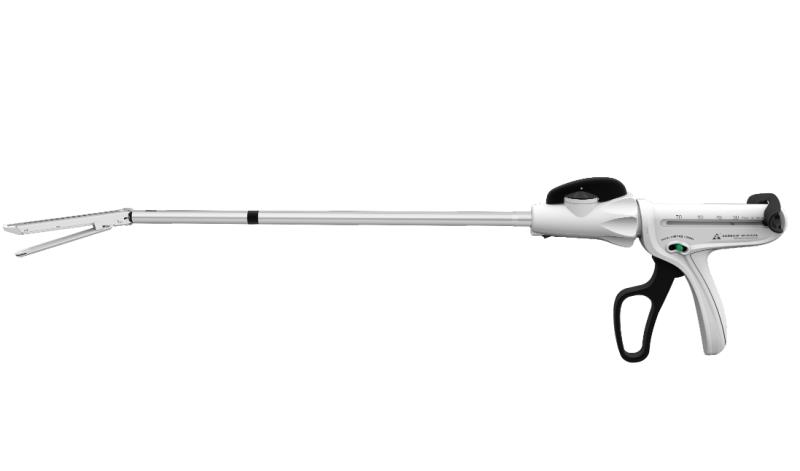
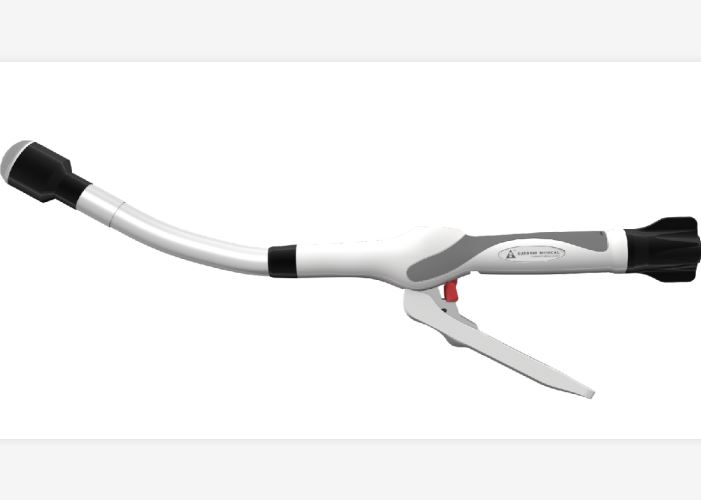
For more product information at https://www.surgaid-medical.com