








Application of laparoscopic surgery
Due to its own characteristics, laparoscopic surgery can be divided into two categories: operation without resection and operation with resection. The former, such as gastrointestinal perforation repair, high ligation of hernia sac, fundus folding, fixed internal organs, adjustable gastric banding for severe morbid obesity, and gastrointestinal short circuit, etc., have been widely used due to the characteristics and advantages of endoscopic surgery Application and affirmation. However, the scope of application of surgical procedures with specimen resection is still under controversy and continuous development. At present, laparoscopy is mainly used in the following aspects:
1. Suture repair As in the above-mentioned non-resection specimen operation, several operations.
2. The removal of diseased tissues or organs is currently the main purpose of laparoscopic surgery.
Laparoscopic cholecystectomy has been the gold standard for surgical treatment of cholecystitis and cholelithiasis, and other resections of liver, spleen, kidney, adrenal glands, pancreas, uterus and accessories have also been widely used.
3. Functional reconstruction. For the resection of the lesions of the hollow organs, such as gastrointestinal tumor resection, the digestive tract must be anastomosed and reconstructed.
4. Laparoscopic surgery is highly accurate due to its enlarged field of view; many devices are used to close the blood vessel, then separate and cut the separated tissue, with very little bleeding. It has been used in many surgical operations and malignant tumor treatment applications:
1. The staging of gastrointestinal malignant tumors. The laparoscope has a magnified field of vision. The mobile endoscopy can be used for exploration in the entire abdominal cavity. This is of great significance for the staging of gastrointestinal malignant tumors, the formulation of treatment plans and the prognosis, such as tumors in the abdominal cavity Implant transfer is difficult to find before surgery, but it is easy under endoscopy.
2. The radical treatment of gastrointestinal malignant tumors is limited by current technology and experience. Laparoscopic radical treatment of gastrointestinal tumors is suitable for early or mid-early tumors, specifically: ①The size of the tumor should be less than 6 cm; ②The tumor does not invade the serosal layer; ③The tumor has no distant metastasis; ④The degree of cell differentiation is high or moderate; ⑤The appearance outside the cancer is few.
3. Palliative treatment of late stage swelling For cases that can no longer be cured, such as palliative resection of cancer, gastrojejunostomy, or gastric and jejunostomy, with minimal trauma and the fastest recovery to improve the quality of life of patients at the end stage.
Theoretically speaking, there is no big difference between laparoscopic surgery and traditional surgery in the resection of gastrointestinal malignant tumors and the scope of lymph node dissection, so it should not affect the inherent survival rate of patients. With the popularization and development of endoscopic surgery, the accumulation of experience and the improvement of skills, the continuous application of high-tech technology, the development and improvement of new instruments and equipment, the scope of surgery is also expanding.
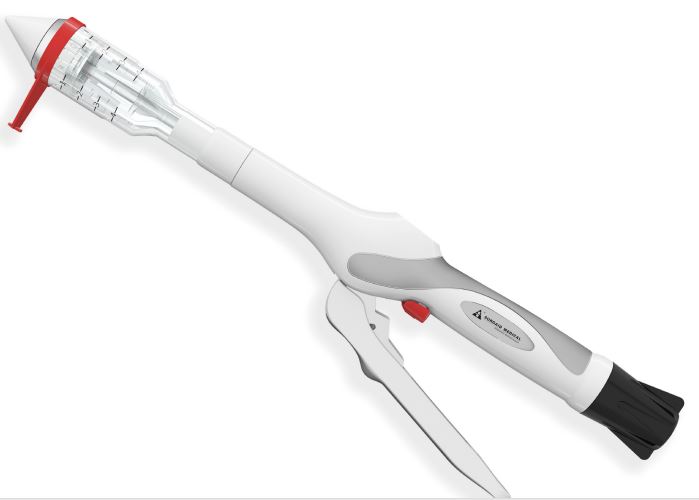
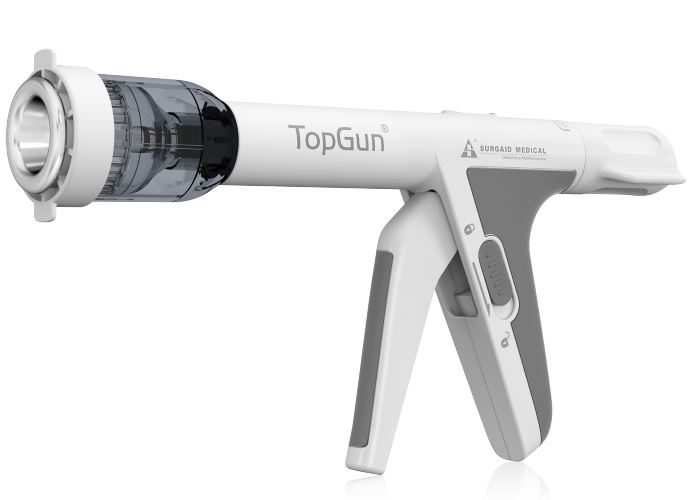
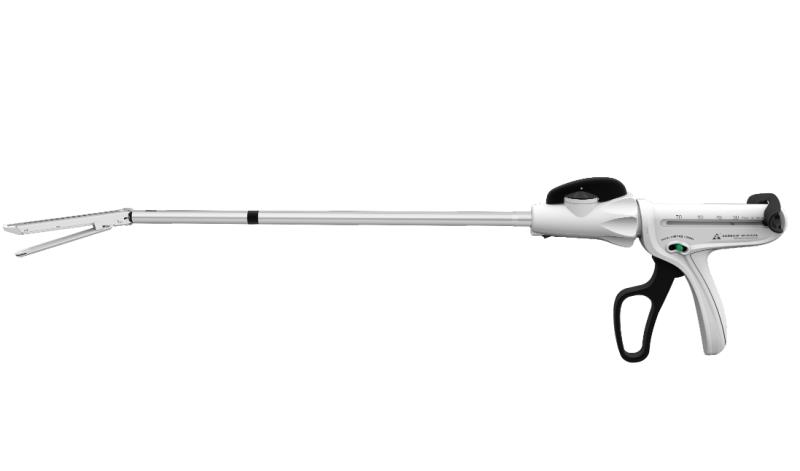
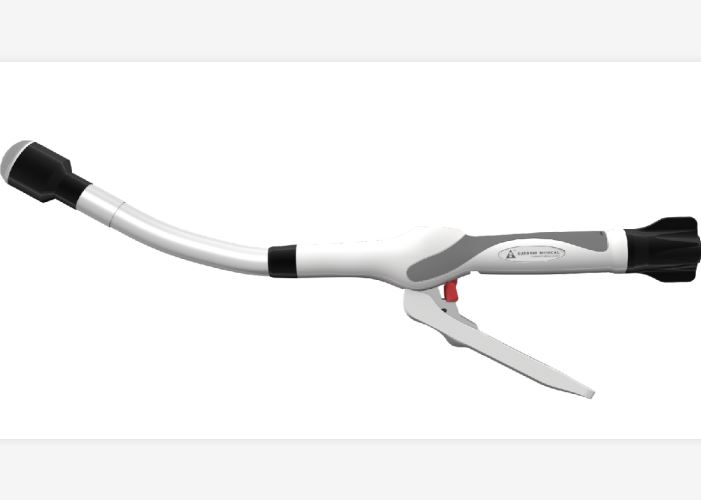
Surgaid products:
For more product information at https://www.surgaid-medical.com