








There are two main types of laparoscopic abdominal access techniques: open (Hasson method) and closed (Veress needle method). The former is mainly used for multiple operations on the abdominal wall and patients who may have abdominal wall adhesions. This method is safe, but it takes longer to enter and close the abdomen. The latter is commonly used clinically, simple and convenient, but has an increased risk of damaging large blood vessels.
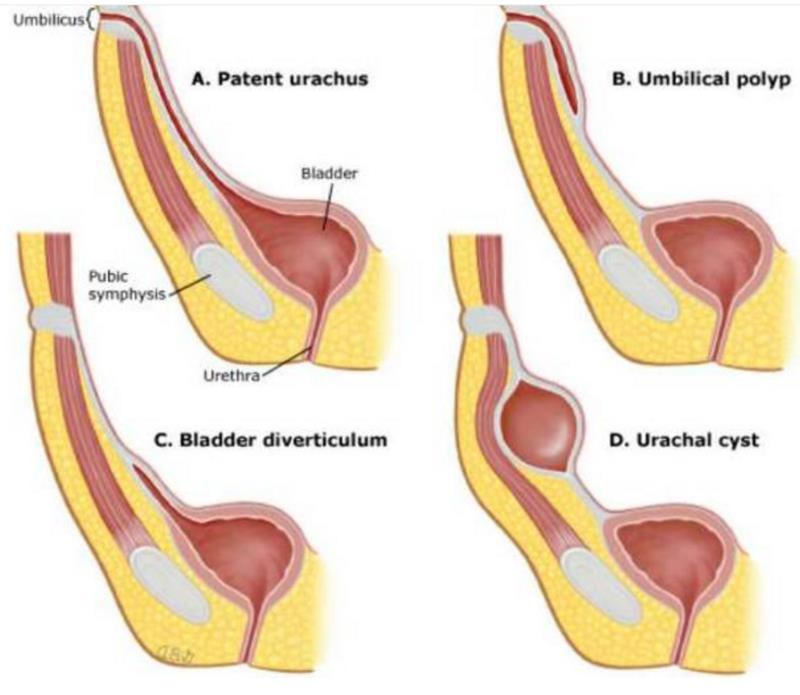
Entering the abdomen through the umbilicus is the most commonly used position to enter the abdomen with a pneumoperitoneum. It is necessary to understand that there may be some variations in this most common way, such as umbilical hernia, such as abnormal urinary tract. If an abnormality of the umbilicus is considered during the operation, another path is taken.
There are many ways to judge whether the insufficiency needle is safe to enter the abdomen, such as syringe aspiration method and hanging drop method (drop a drop of normal saline on the Veress needle and lift the abdominal wall. If the droplet is inhaled, the needle is in the peritoneal cavity). The most reliable and clinically proven way is to observe the abdominal pressure readings of the insufflator [1]. When the pneumoperitoneum needle just enters the abdomen, the reading is zero or negative, and the abdominal pressure slowly rises as the inflation progresses, indicating that the pneumoperitoneum needle is accurately in place. After filling 2-4 liters of gas, the intra-abdominal pressure should reach the preset 12-15mmHg.
In the syringe suction method, if blood or intestinal contents are sucked out by the suction syringe, blood vessel or intestinal tract damage may have occurred. At this time, do not pull out the pneumoperitoneum needle, keep the needle in place and enter the abdomen in another position to evaluate the possible damage in the original position. The needle that was initially inserted is best removed under direct vision.
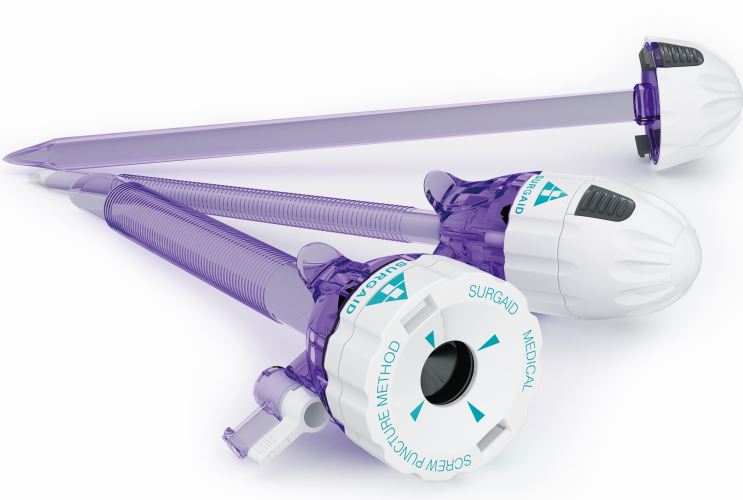
Remember that Trocar was "turned" into the abdominal cavity, not "stabbed" into the abdominal cavity. The rotation of the wrist, coupled with continuous gentle thrust, makes the trocar slowly penetrate the peritoneum and enter the abdomen, avoiding uncontrollable sudden entry into the abdomen. The damage to the large blood vessels is often caused by the uncontrollable trocar and sudden entry into the abdomen.
Decompression of the stomach through a gastric tube maximizes the visual field of the upper abdomen and minimizes the risk of injury. This does not mean that the gastric tube is routinely placed before surgery. The following two situations can be considered for intraoperative placement of a gastric tube: 1) The first puncture site is in the upper middle abdomen, and the abdominal distension is obvious. The flatulence caused by anesthesia cannot be excluded. The placement of the gastric tube can reduce the risk of stomach injury; 2) The stomach is found after the abdomen. The flatulence is obvious, pushing the intestines and affecting the visual field. The installed gastric tube can be removed at the end of the operation.
Lifting the abdominal wall with hands or towel clamps can keep the intestinal tube away from the abdominal wall and reduce the risk of intestinal injury. This often applies to insufficiency needles and first Trocar punctures. When performing the second or third Trocar puncture under direct vision, there is no need to lift the skin. The Trocar sheath is perpendicular to the skin of the abdominal wall and the shortest distance can be used to enter the abdomen.
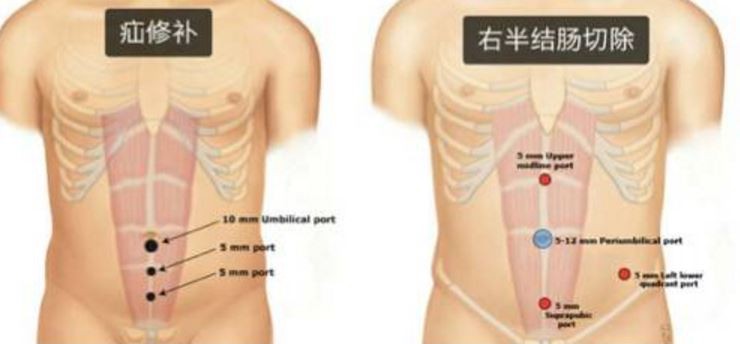
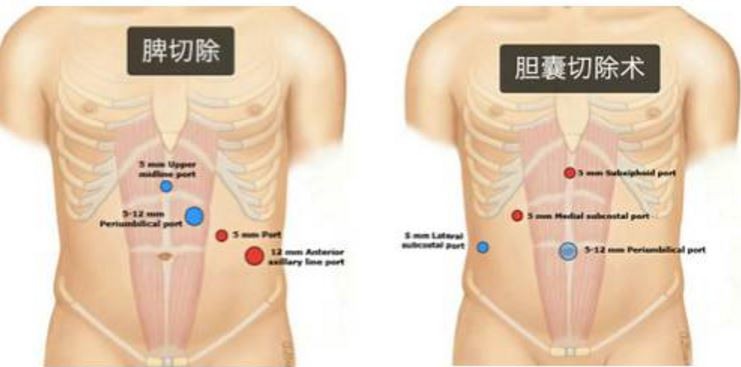
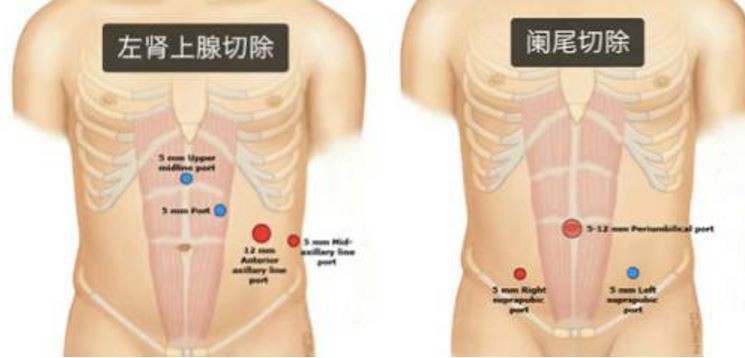
For the placement of Trocar, beginners often feel at a loss. Each surgeon has his own customary position, and different surgeries require different puncture positions. Let's take a look at the position of Trocar in some conventional operations.
About Surgaid products:
For more product information at https://www.surgaid-medical.com