








Choice of puncture point
Observation hole
The umbilical part is the preferred observation hole puncture point.
Gynecological surgery is pelvic internal organ surgery, and the female reproductive system organs are bilateral or symmetrically growing tissue organs. From the histological source, the tissue structure at the umbilicus on the abdominal wall is the weakest, and the blood vessels are scarce. The anatomical levels are skin, thin subcutaneous tissue, rectus abdominis tendon, posterior sheath, and parietal peritoneum from the outside to the inside. Therefore, the umbilicus is the most suitable site for blind puncture such as observation holes. In most laparoscopic operations, a 10mm puncture hole is often selected in the middle of the umbilicus or slightly above and below the umbilicus.
If the umbilical hole is too deep, or there is infection, you should choose under the umbilical margin. If the pelvic mass is too large, a puncture hole on the umbilical can also be selected.
Operation hole
The selection of the location of the puncture point of the operating hole should follow the principles of ease of operation, beauty, and minimal trauma. At the same time, the inferior abdominal artery and other blood vessels must be avoided, such as the superficial abdominal artery, deep circumflex iliac artery, and superficial circumflex iliac artery.
The first operation hole is the observation hole, and the center of the umbilicus or 10mm above and below the umbilicus is the usual puncture site
For the second operation hole, the 1-2cm inside the left anterior superior iliac spine is the common puncture site
The 3rd operation hole is at the right Mai's point
The puncture point of the fourth operation hole can generally be outside the midpoint of the connection between the observation hole 1 and the operation hole 2, and the distance from the above two operation holes is greater than 8-9cm. If necessary, in order to facilitate the operation, any point of the abdominal wall can be punctured.
The essentials and "degree" of puncture
① How to hold the Trocar: The base of the Trocar is against the thenar muscles of the hand, and the index or middle finger is pressed as far as possible on the top of the casing. It stops when it enters shallowly to prevent deep penetration.
②Even if you lift it up with the towel pliers, the abdominal wall is still closer to the organs and blood vessels below it. If Trocar enters too much, problems are likely to occur.
③The abdominal wall of some patients is relatively tough and it is difficult to pass through it at one time. You can wear it after a short rest. Avoid being reckless.
④The angle on the midline: puncture perpendicular to the skin, try not to form an angle.
⑤Left and right angle: The left and right angle is 0, that is, the Trocar cannot deviate from the central axis, otherwise it will damage the common iliac vessels.
⑥Strength: Strength is the guarantee for the success of puncture, and it is also the factor that causes damage. When puncturing, you must use moderate force to ensure that the Trocar can be held in any place.
Conclusion
1. Keep the insufficiency needle and Trocar sharp and protect the needle core in good condition.
2. Whether it is insufflation needle puncture or direct puncture, anesthesia is required to completely relax the muscles of the lower abdominal wall.
3. Increase the distance between the abdominal wall and retroperitoneum.
4. The use of violence is prohibited.
5. Both the pneumoperitoneum needle and the trocar should be 90° to the abdominal wall and perpendicular to the abdominal wall. After passing the fascia and reaching the peritoneum, adjust the angle to 45°, facing the pelvic cavity, and slowly enter the abdominal cavity.
6. After the direct puncture enters the abdominal cavity, immediately remove the trocar core and fill with CO2 gas. After the pneumoperitoneum is established, remove the upper abdominal wall-lifting forceps.
Surgaid Medical (Xiamen) Co., Ltd
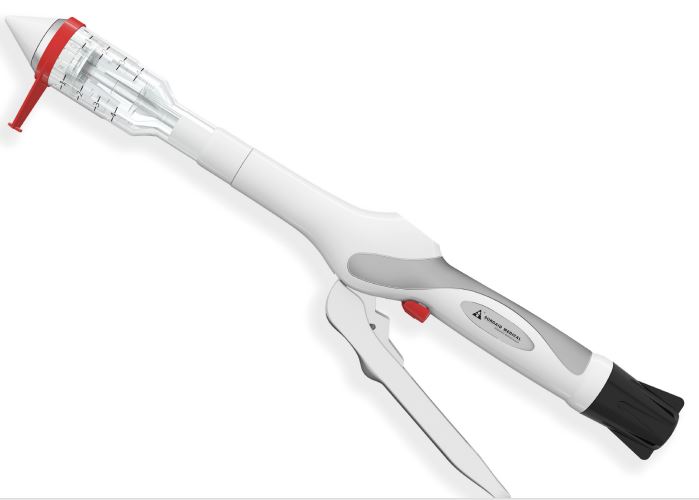
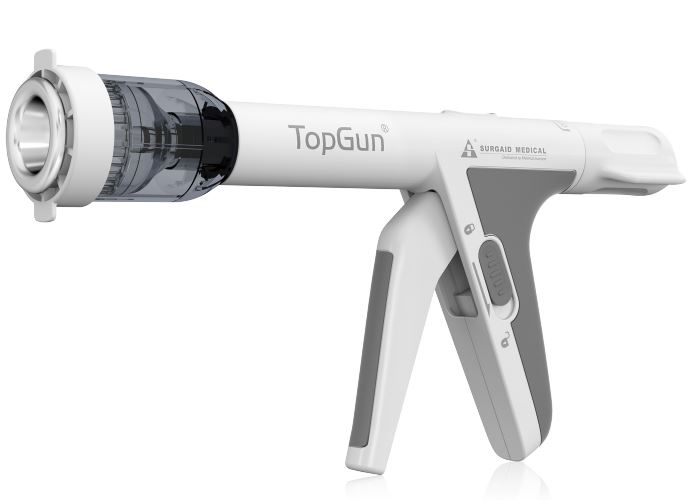
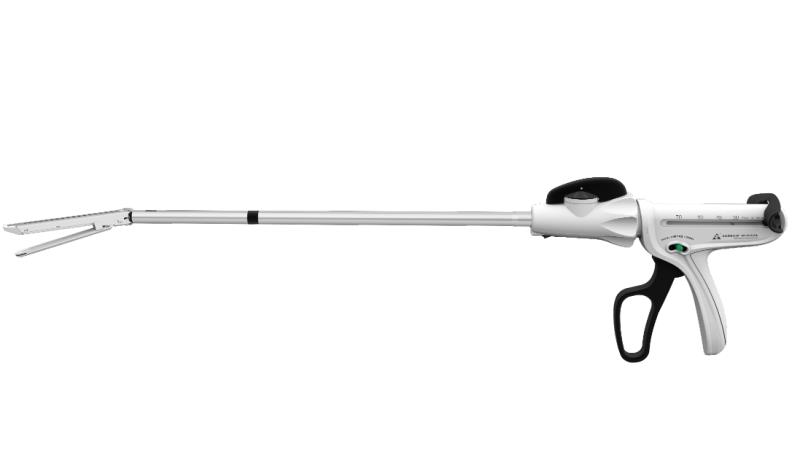
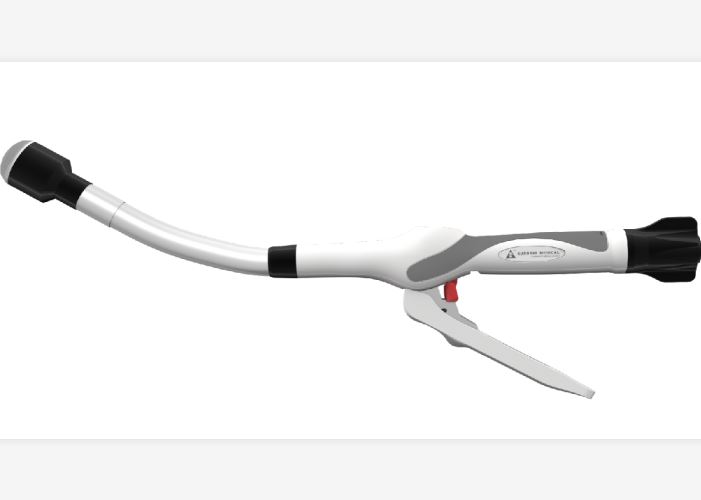
Surgaid Medical (Xiamen) Co., Ltd has been committed to surgical product development ,production and marketing for 10 more years . In particular, minimally invasive surgical products. Minimally invasive surgery is a surgical direction of development. Such as Disposable Laparoscopic Trocar, Linear Cutter Stapler, Circular Stapler, PPH, and so on.
Manufacturing our own Surgical products allows us to have complete control over the design and evolution of our products. We are able to adapt quickly to the constantly evolving healthcare market and offer high quality, single-use, cost-effective solutions that directly compete with global market-leaders.
Surgaid products:
For more product information at https://www.surgaid-medical.com/