








1. Puncture position and incision
The puncture site of the artificial pneumoperitoneum is usually the site where the first trocar is placed. Because the umbilicus is a natural scar tissue, it is the thinnest part of the entire abdominal wall and the least blood vessels. There is basically no subcutaneous fat tissue and muscle tissue, and there are few blood vessels here anatomically, so there is less chance of bleeding during or after the operation, and there are fewer obvious skin scars after the operation, and the cosmetic effect is satisfactory. In most laparoscopic operations, a 10mm puncture hole is often selected in the middle of the umbilicus or slightly above and below the umbilicus. Understanding the anatomy of each layer of tissue at this level is very important for trocar placement.
The thickness of the umbilicus varies among patients of different weights. The heavier the weight, the thicker the abdominal wall. This relationship is very important for the placement of the Veress needle and the main cannula. For thin patients (BMI<25kg/m2), the umbilical tissue is thin and should be placed at an angle of 45°, while for obese patients (BMI>30kg/m2) the insertion angle is increased to 60°. If the hole is too deep, or if there is an infection, you should choose the lower edge of the umbilicus. If the pelvic mass is too large, you can also choose a perforation on the umbilicus.
Other puncture sites include bilateral subcostal margins, bilateral iliac fossa, or Mc’s point. The choice depends on the specific operation. For those who have a history of surgery, in principle, the distance between the poking hole and the scar should be ≥3 cm.
2. Veress pneumoperitoneum needle closure
The Veress pneumoperitoneum needle puncture method has a long history. Since the Hungarian surgeon Janos Veress invented the Veress pneumoperitoneum in 1938, the Veress pneumoperitoneum needle closed method puncture pneumoperitoneum has been highly regarded and has become the most commonly used in laparoscopic surgery.
Because the front end of the Veress insufficiency needle core is round, hollow, and has side holes, the needle core can inject air, water and suction. The bottom of the needle core has a spring protection device. When the abdominal wall is punctured, the needle core retracts to resistance. In the needle sheath, once the sharp needle sheath head breaks through the abdominal wall and enters the abdominal cavity, the resistance disappears, and the tip of the needle core protrudes into the abdominal cavity again due to the action of the spring, which can prevent the sharp part of the needle sheath from damaging the abdominal internal organs.
The specific method is to thoroughly disinfect the umbilicus with sterile gauze and remove dirt, and then perform abdominal puncture. There are many puncture methods. One method is to grab the abdominal wall with the left hand and insert the Veress needle directly into the abdominal cavity with the right hand. The author used the method to use skin forceps to clamp the skin on both sides of the umbilicus, then use a lancet knife to make a small 1cm incision in the center, remove the leather forceps, use towel forceps to clamp the skin on both sides of the umbilicus, lift the towel forceps, Increase the intra-abdominal space and keep the abdominal wall away from the omentum and intestines.
3.Determine whether to enter the abdominal cavity
(1)There is a sense of frustration when passing through the anterior rectus sheath and peritoneum.
(2)After the Veress needle enters the abdominal cavity, its tail is connected to a small syringe containing saline. Due to the negative pressure in the abdominal cavity, the saline in the syringe automatically enters the abdominal cavity slowly, and the liquid level in the syringe drops smoothly.
(3)Connect the co2 catheter connector to the end of the Veress needle, lift the abdominal wall, and block the co2 pressure gauge in the negative pressure range.
When it has entered a certain depth, because there is no obvious sense of breakthrough or other reasons, and it is uncertain whether the Veress insufficiency needle has entered the abdominal cavity, the following methods can be used to judge.
aspiration test: The insufficiency needle is connected to a syringe containing physiological saline, and the needle is withdrawn first. After the bloodless and intestinal juice is withdrawn, 5-10 ml of water is injected. If the injection is easy and cannot be withdrawn, or only a small amount of saline can be withdrawn, the needle tip position is correct. Otherwise, the position of the needle tip may be in the abdominal wall space. If blood, intestinal juice, etc. are sucked out, it will damage the intestines and blood vessels; if there is more bleeding or blood rush, it should be transferred to open abdomen immediately.
drop test:Connect with a syringe without a needle plug and inject normal saline for observation, or drop a few drops of normal saline directly into the end of the insufficiency needle. If negative pressure is used to suck water into the abdominal cavity, the position of the insufflation needle is correct.
early insufflation test: The above test can only show that the Veress insufficiency needle puncture enters a cavity, but in the final judgment whether it enters the abdominal cavity, the initial inflation test should be taken seriously by the majority of beginners. Connect the gas injection tube of the insufflator, set the pressure, and start to inflate at a low flow rate of 1 L/min. The operator should pay attention to the combination of pressure and flow of the insufflator.
If the pressure is gradually and uniformly increased from low pressure to the set pressure value, the gas flow rate is stable, indicating that the Veress insufflator needle normally penetrates into the abdominal cavity and can increase the gas flow rate.
If the pressure value is always high, often higher than the set value, the gas flow rate is basically low or even zero, often accompanied by high resistance alarms, indicating: ①The puncture may be unsuccessful, and it did not enter the abdominal cavity and needs to be punctured again; ②Veress insufflation needle is closely related to organs or adhesions in the abdominal cavity, and the position can be adjusted slightly, or re-puncture is required; ③The pneumoperitoneum device has blocked parts, and the common one is that the gas valve is not opened, and equipment inspection is required.
Of course, there are some special circumstances that need our attention. Pneumoperitoneum pressure and gas flow are always at a low level, and abdominal distension is not obvious. In addition to eliminating the cause of air leakage in the pneumoperitoneum system, it is necessary to consider the possibility of the Veress puncture needle entering the cavity organs and even blood vessels. In short, the advantages of Veress insufficiency needle closed puncture are simple and time-saving, but the potential disadvantage is that blind puncture of Veress puncture needle can cause vascular and visceral injuries and other related complications. Therefore, beginners must be very familiar with the problems that may be encountered during the entire process of puncturing the pneumoperitoneum with the Veress pneumoperitoneum needle in order to correctly interpret and deal with the situation encountered.
Surgaid Medical (Xiamen) Co., Ltd
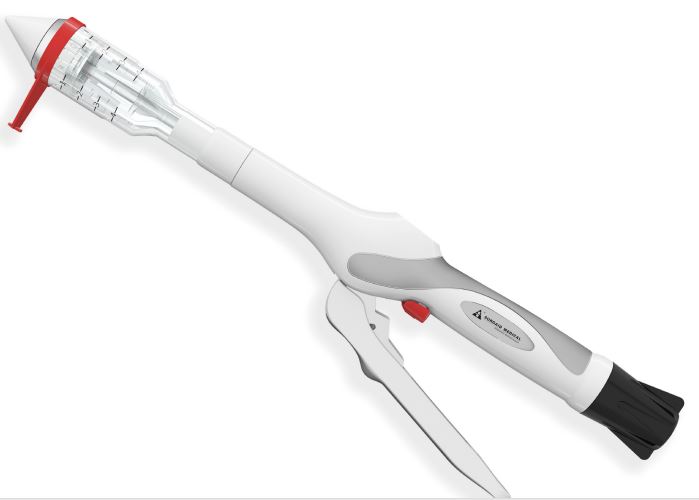
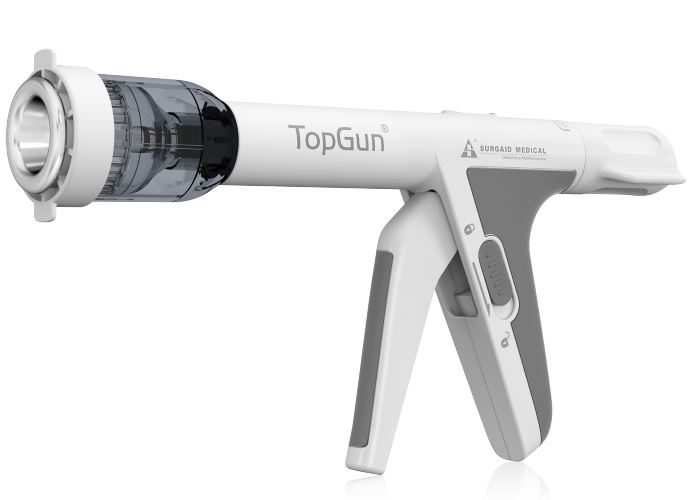
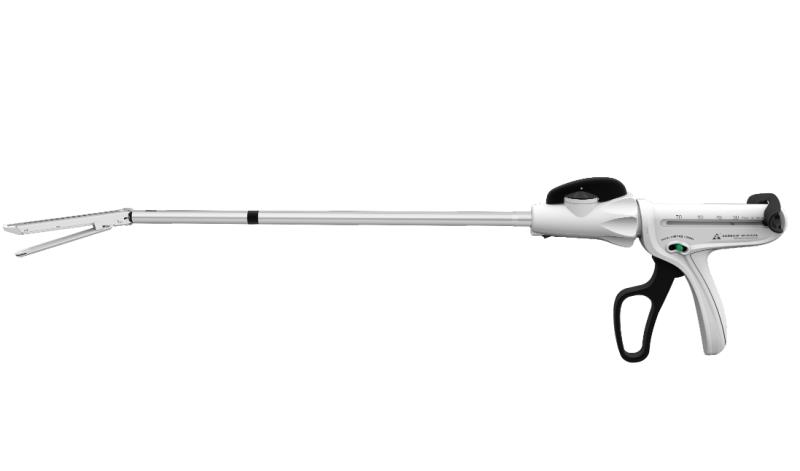
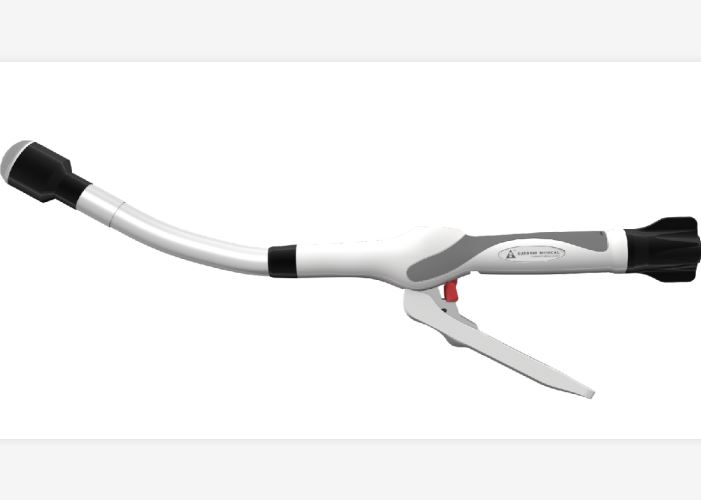
Surgaid Medical (Xiamen) Co., Ltd has been committed to surgical product development ,production and marketing for 10 more years . In particular, minimally invasive surgical products. Minimally invasive surgery is a surgical direction of development. Such as Disposable Laparoscopic Trocar, Linear Cutter Stapler, Circular Stapler, PPH, and so on.
Manufacturing our own Surgical products allows us to have complete control over the design and evolution of our products. We are able to adapt quickly to the constantly evolving healthcare market and offer high quality, single-use, cost-effective solutions that directly compete with global market-leaders.
Surgaid products:
For more product information at https://www.surgaid-medical.com/