








1. Vascular injury
80% of puncture complications are caused by the first Trocar, which may be caused by the inability to look directly at the first puncture card. The most common intra-abdominal vascular injury is the right common iliac artery, followed by the abdominal aorta and the inferior vena cava. Injury of abdominal wall vessels such as superficial abdominal wall arteries, upper abdominal wall arteries and veins, and lower abdominal wall arteries and veins.
Bleeding from the puncture hole. It is often difficult to detect the bleeding from the puncture hole due to the compression of the sleeve during the operation to the tissue around the card. The pressure was relieved after the sleeve was removed after the operation, and the blood vessel pressure rose rapidly when awakened from anesthesia, resulting in massive bleeding. At the same time, the sharp enlarged incision when the specimen was taken after the operation was also the cause of bleeding.
Solution:
1) Once the injury occurs after puncture, the injured part should be treated in time, and the open surgery should be transferred if necessary;
2) 4 cm below the costal arch is a relatively safe puncture area. In the middle and lower abdominal surgery, avoid the main blood vessels in the abdominal wall as much as possible. During and after the operation, the puncture hole should be carefully checked for bleeding;
3) If necessary, the laparoscopic insertion hole can be changed, and the original puncture hole of the laparoscope can be carefully observed. If there is bleeding, use electrocoagulation to stop the bleeding.
If the hemostasis is still not complete, the incision should not be spared, and the incision should be extended decisively to completely expose the bleeding site and suture the bleeding under direct vision. After suture, it is best to check whether the suture hemostasis is reliable under laparoscopy.
3. Organ damage
It is common in patients with a history of surgery or extensive adhesions in the abdominal cavity; obvious gastrointestinal tract; lean patients with visceral prolapse, such as gastroptosis and liver prolapse; patients who use violence during puncture.
In the case of insufficient depth of general anesthesia and poor muscle relaxation, even if the pressure of the pneumoperitoneum reaches the normal limit, due to the lack of space in the abdominal cavity, blind puncture is very easy to scratch and damage the internal organs of the abdominal cavity. It is especially prone to patients with obesity or strong abdominal muscles.
Most visceral injuries can be discovered in time at the time of injury and treated in time. If the internal organs have been injured during the operation (such as the gastrointestinal serous membrane is burned but not ruptured), it is not found during the operation, and it is easy to cause visceral necrosis or perforation. Cause peritonitis.
Solution:
1) Active preventive measures can significantly reduce the incidence of dirty damage. Before the operation, check whether the insulation layer of the energized device is complete. Do not energize the charged device when it is not in the field of view. Avoid violent grasping and traction of the gastrointestinal wall. Cause the seromuscular layer to tear;
2) After laparoscopic surgery, the abdominal cavity should be thoroughly inspected. Even if there is no perforation of the gastrointestinal wall that has been obviously grayed or torn in the plasma muscle layer, the plasma muscle layer should be sutured. For suspected visceral injuries, an abdominal drainage tube should be placed to facilitate Observe the condition closely after operation;
3) After gastrointestinal leakage occurs. Open abdominal exploration should be timely.
3. Poking hernia
Mainly because the surgeon did not suture or suture improperly on Trocar incisions of 1 cm and above.
Especially for obese patients, the operation time is long, there is repeated in and out of the cannula hole or the specimen is enlarged (especially when the skin incision is small, the muscle layer and the peritoneum incision are large).
Trocar suture is more difficult. If the suture is not sutured or the suture is not ideal, it is more prone to poking hernia after the operation. If the suture improperly causes the intraperitoneal omentum and other constrictions, it can easily lead to intestinal obstruction.
Solution
1) Effectively closing the fascia layer of the cannula hole can prevent or reduce the occurrence of puncture hernia. The deep fascia must be sutured carefully for the abdomen and umbilical canal holes ≥ 10 mm. Intact suture can cause bleeding, infection and hernia. ;
2) There are also reports in domestic literature about the use of laparoscopic double-hole crochet stitching to ensure the full thickness of the abdominal wall. The full-thickness tissue of the abdominal wall should be reliably sutured under direct laparoscopic vision to avoid hernia;
3) If intestinal obstruction is caused by poking hernia, active surgical treatment should be taken to relieve the obstruction.
4.Poking hole infection
The operation time is too long, and the exposed incision is subjected to intraoperative clamping, squeezing and other mechanical forces, which will easily cause the oxidation and decomposition of the fat layer, which will cause aseptic inflammatory reactions and affect the healing of the incision; or the specimen bag is not used during the operation Tissue, causing contamination of the incision.
Solution:
1) Pay attention to the use of specimen bags to take out the specimens, and strictly disinfect the surgical area, especially the umbilical area. According to research reports, 5% iodophor cotton ball can be used to press for 5 minutes after the specimen is taken out, and the incidence of postoperative infection will decrease;
2) Master the timing of dressing change after operation. The first cleaning and dressing of the wound should be performed after 24 to 48 hours, and routine cleaning and dressing should be performed every 48 hours thereafter.
Surgaid Medical (Xiamen) Co., Ltd
Surgaid Medical (Xiamen) Co., Ltd has been committed to surgical product development ,production and marketing for 10 more years . In particular, minimally invasive surgical products. Minimally invasive surgery is a surgical direction of development. Such as Disposable Laparoscopic Trocar, Linear Cutter Stapler, Circular Stapler, PPH, and so on.
Manufacturing our own Surgical products allows us to have complete control over the design and evolution of our products. We are able to adapt quickly to the constantly evolving healthcare market and offer high quality, single-use, cost-effective solutions that directly compete with global market-leaders.
Surgaid products:
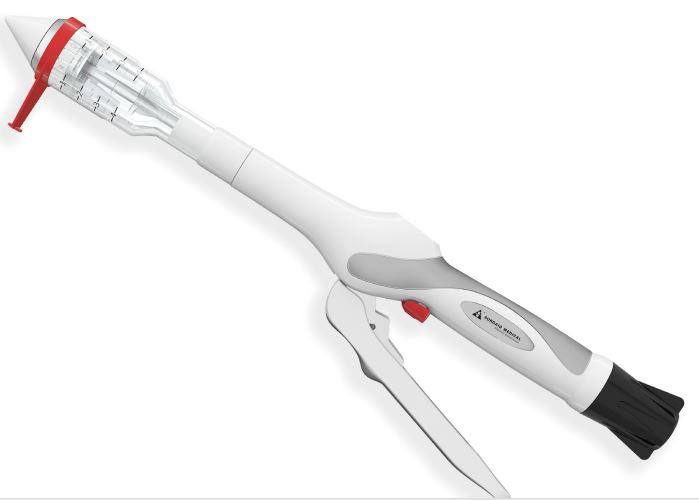
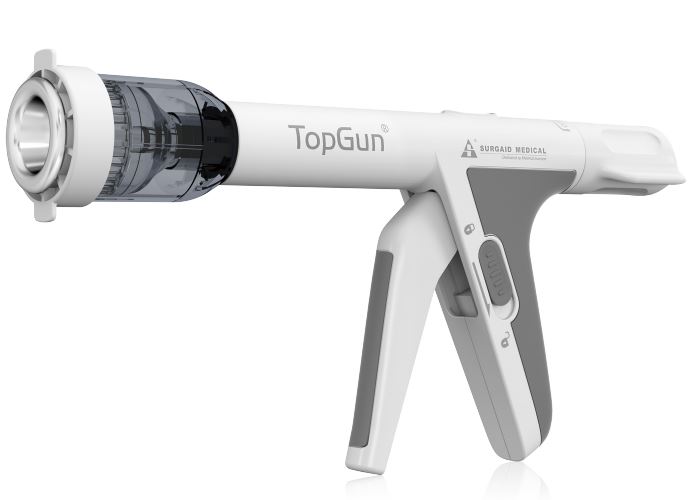
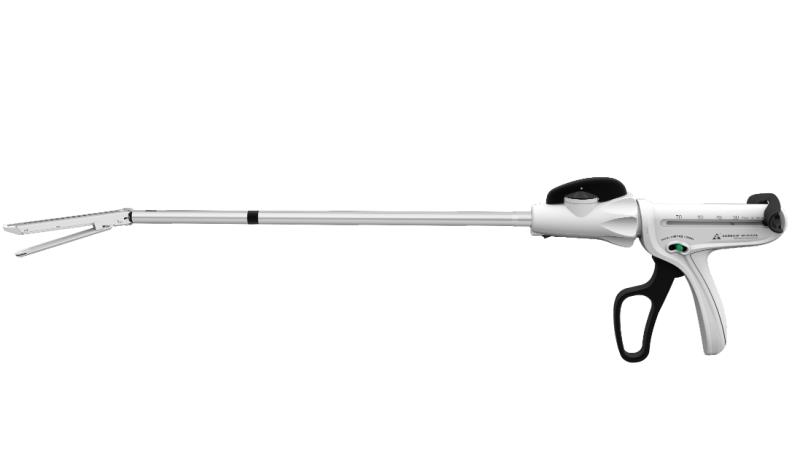
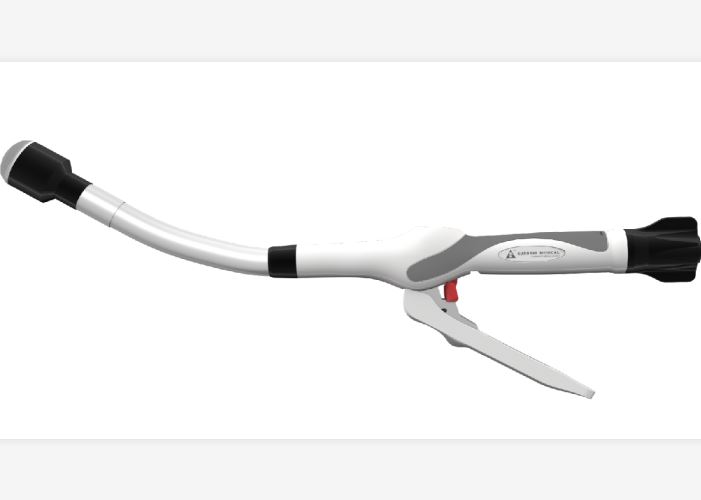
For more product information at https://www.surgaid-medical.com/