








Anal fistula is usually caused by anal gland infection, and its clinical features are recurrent perianal infection, pain, ulceration and pus. According to the epidemiology in the 2018 Japanese Practice Guidelines for Anal Diseases, the prevalence of anal fistula in Western countries is 5.6 to 20.8 per 100,000 people, and the peak age of onset is 30 to 40 years old. At present, the principle of surgical treatment of anal fistulas is clinically divided into sphincter-sparing surgery and sphincterotomy. The sphincter-sparing surgery can treat the fistula without damaging the sphincter.
The 2017 German S3 Guide "Perianal Abscess and Anal Fistula (Second Revised Edition)" strongly recommends that all high anal fistulas should be sphincter-sparing surgery, such as minimally invasive surgery such as biomaterials and flap movement. With the emergence of new materials and technologies in recent years, many new sphincter-preserving minimally invasive procedures have been produced, all of which aim at minimizing the damage of anal function. The progress of minimally invasive surgery for the treatment of anal fistula in recent years is summarized as follows.
1. ligation of intersphincteric fistula tract, LIFT
In 2009, Rojanasakul first proposed the LIFT technique. Because of its initial report that the cure rate was as high as 94.4%, while protecting the anal function, it was widely used in clinics. The procedure is mainly to ligate and shorten the fistula, and scrape the necrotic tissue in the lumen along the groove between the internal and external sphincter. A 2014 Meta-analysis included 24 studies with 1 110 patients receiving LIFT treatment. During an average follow-up of 10.3 months, the cure rate, incontinence rate, intraoperative and postoperative complications were 76.4% , 0, 5.5%, indicating that LIFT surgery has good curative effect and high safety. Malakorn et al. retrospectively analyzed 251 patients who underwent LIFT surgery. The median follow-up time was 71 months, and the initial cure rate was 87.6%. They believed that LIFT surgery is effective in treating anal fistulas and can be applied to recurring anal fistulas after surgery.In 2016, the "Guidelines for the Treatment of Perianal Abscesses, Anal Fistulas, and Rectovaginal Fistulas" (hereinafter referred to as the 2016 ASCRS Guidelines) formulated by the American Society of Colorectal Surgeons (ASCRS) recommended a level of 1B for the LIFT operation, which is considered to avoid sphincter damage , The operation is relatively simple, the economic cost is low, etc., suitable for clinical gradual promotion, and broad application prospects. On the other hand, the 2016 ASCRS guidelines show that there are certain differences in the cure rate of LIFT surgery. In addition, it is difficult to deal with the branched fistulas during LIFT, and the fistula of the upper branch of the incomplete sphincter is eliminated, which causes recurrence, which has certain limitations.
In response to the deficiencies of the LIFT technique, many improved LIFT techniques have been produced. Among them, Ellis placed a bioprosthesis graft in the sphincter space to prevent infection from forming a barrier to strengthen the closure of the fistula, and named it Bio-LIFT.
Tan and Lee conducted a retrospective analysis of 16 patients who underwent Bio-LIFT surgery. The median follow-up was 26 weeks. The results showed that 11 patients were healed, and 2 of the 5 unhealed patients were cured after simple fistula incision. The total cure The rate reached 81.3%, and no anal incontinence occurred in all patients. Wang Zhenjun combined anal fistula suppository with LIFT to treat anal fistula, named LIFT-Plug operation. In a retrospective study in 2019, 78 patients who underwent LIFT-Plug surgery were followed up for 16 to 47 months. The results showed that 75 patients (96.2%) healed with an average healing time of 16 days, and 2 patients (2.6%) Recurrence, 1 case (1.3%) had perianal abscess. The study believes that LIFT-Plug has a high healing rate and little damage to anal function, and it is an ideal operation for the treatment of anal fistula.
For LFIT, Bio-LIFT and LIFT-Plug surgery, Wang Zhenjun believes that LIFT-Plug surgery inherits the advantages of the former two of minimally invasive and removal of the source of infection, while avoiding the shortcomings of opening the fistula for a long time to heal. In 2017, a meta-analysis and systematic review included 10 studies including 199 patients underwent LIFT surgery and 147 patients underwent different LIFT modifications including Bio-LIFT and LIFT-Plug surgery. The results showed that the total cure rate of LIFT surgery ( 78.9%) was lower than modified LIFT (93.6%). The recurrence rate of LIFT was 9.7%, and there was no recurrence after modified LIFT. Studies believe that LIFT and modified LIFT are effective methods for the treatment of anal fistulas, especially high anal fistulas, but more clinical trials should be conducted to evaluate their long-term efficacy and safety.
About Surgaid medical:
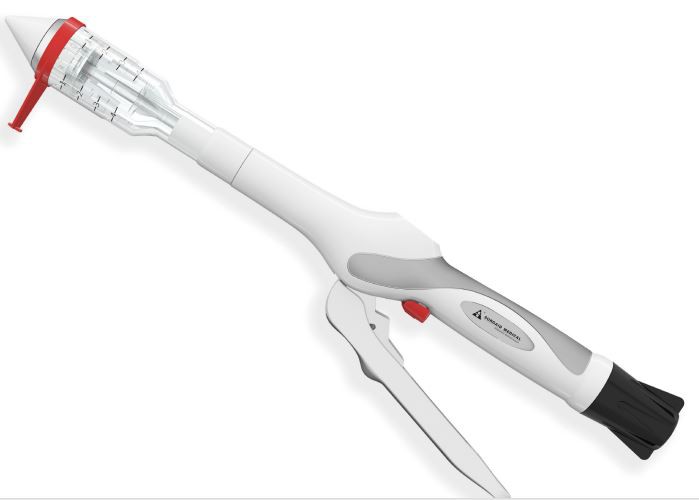
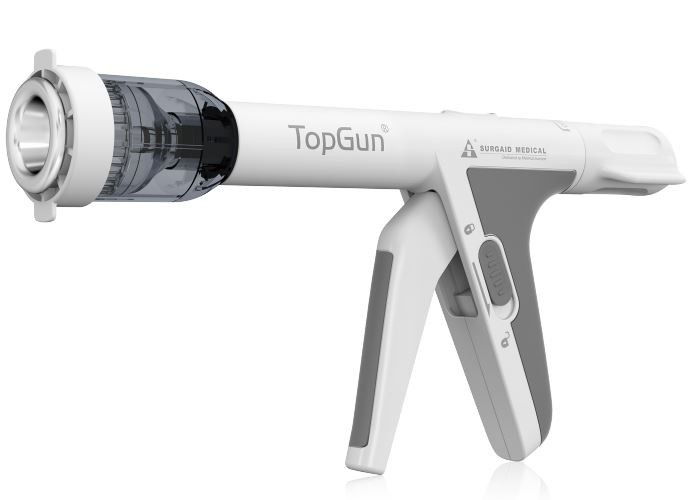
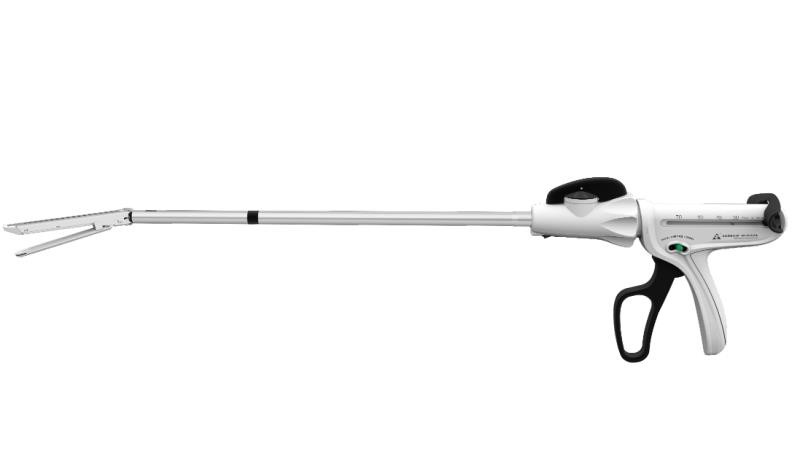
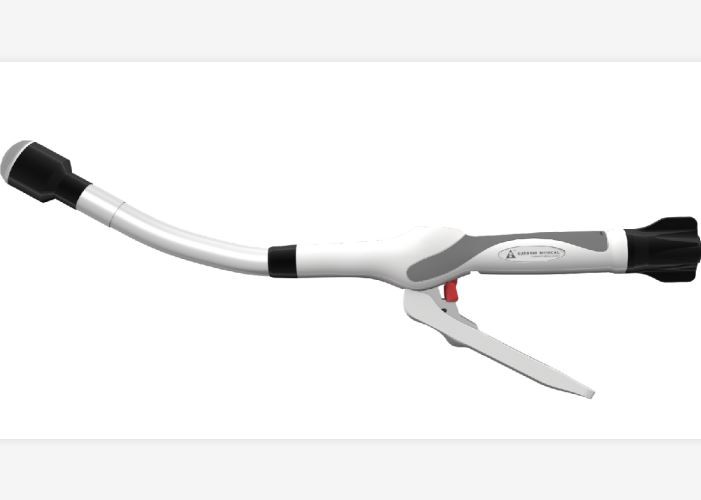
Surgaid Medical (Xiamen) Co., Ltd has been committed to surgical product development ,production and marketing for 10 more years . In particular, minimally invasive surgical products. Minimally invasive surgery is a surgical direction of development. Such as Disposable Laparoscopic Trocar, Linear Cutter Stapler, Circular Stapler, PPH, and so on.
Manufacturing our own Surgical products allows us to have complete control over the design and evolution of our products. We are able to adapt quickly to the constantly evolving healthcare market and offer high quality, single-use, cost-effective solutions that directly compete with global market-leaders.
Surgaid products:
For more product information at https://www.surgaid-medical.com/