








Someone has to ask, since it is to treat diseases, why do we need to artificially increase trauma?
There are many ways to diagnose and treat diseases. Common ones, such as medication, are known to be three-point poison, which can be considered traumatic. Some diagnostic methods are also invasive, such as CT and filming. X-rays are actually harmful to the human body, such as needle biopsy. Surgery and radiotherapy, not to mention, are traumatic.
To treat diseases, we need to use external forces to adjust the body's chemical and physical changes. If this external force is precise enough to directly act on the lesion, it will not damage other normal tissues and normal physiological functions at all. This is the most ideal state and can be said to be non-invasive. There are also non-invasive diagnosis and treatment items, such as ultrasound examinations, doctors’ sight and hearing, visual touch and percussion.
However, non-invasive diagnosis and treatment measures are rare, and most of them are invasive. Especially in surgical treatment, a knife is always used.
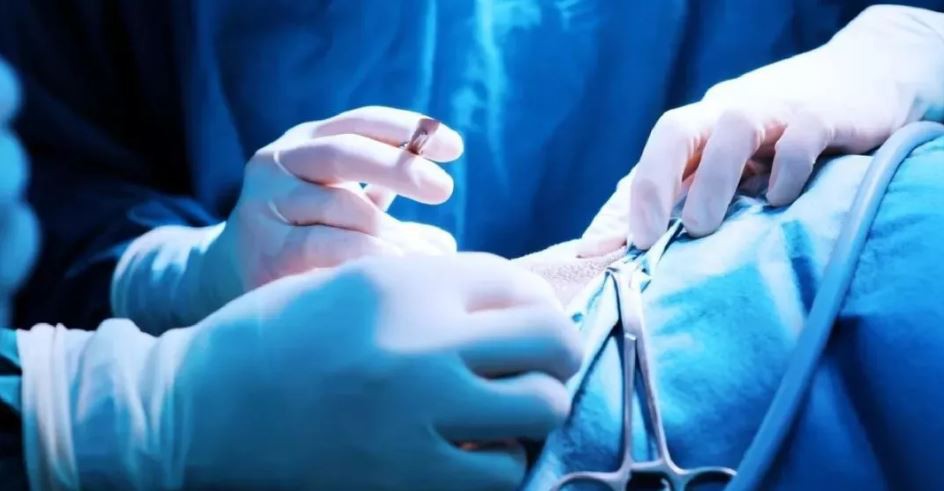
If medical treatments are not effective for human diseases, they need to be surgically removed. Cut as clean as possible. The body surface is fine, just under the nose, but the body is more troublesome. This is why the specialty of surgery was originally called "surgery" because it can only perform surgery on the surface.
Diseases in the body need to open up the body, to give the simplest example, cut the appendix. Hundreds of years ago, people who got acute appendicitis were treated with drugs, but in the era when there were no antibiotics and no surgery, most patients had to pray for help from God, and many died of serious infections. Since appendectomy was introduced more than two hundred years ago, the cure rate of this disease has increased dramatically.
The stomach is opened, the appendix is removed, the operation is over, and the patient is discharged. All this seems very simple, but mankind has gone through thousands of years of exploration. Even now, appendectomy is not a simple "minor operation".
Compared with other organs in the abdominal cavity, the appendix is small in size. After inflammation, it is only 1 cm thick and several centimeters long, and the position is not fixed. It is hidden in the slippery intestines of the right lower abdomen. Sometimes it is difficult to find the appendix during surgery. Why does some appendectomy only take more than ten minutes, while others take several hours, because it takes different time to find the appendix. The abdominal incision for appendix surgery is about 4 to 5 cm long, which makes it more difficult to find the appendix. Therefore, for surgeons, finding the appendix is the most important and most difficult part of appendectomy. Of course, if you make an incision that is more than ten centimeters long in your stomach, it will be easier to find, but it is very inhumane. There is a suspicion of deliberately expanding the trauma. Usually, the incision is extended as a last resort.
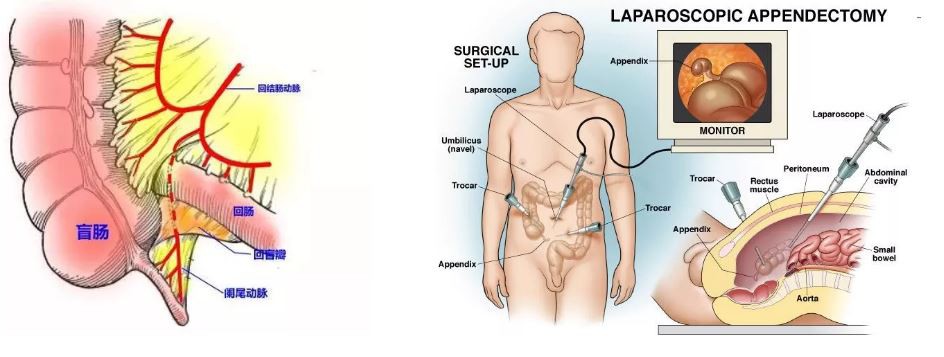
The current laparoscopic appendectomy surgery, also known as minimally invasive surgery, has almost no such problem. Although the wound on the abdomen is smaller than traditional surgical operations, the camera that enters the abdominal cavity can see all the organs in the abdominal cavity clearly. There is nowhere to hide the appendix. The enlarged field of view allows the surgeon to perform more delicate operations. In a sense, this greatly reduces the difficulty of appendix surgery.
Like laparoscopic appendectomy, other minimally invasive procedures in gastrointestinal surgery have the same advantages. For example, for gastrointestinal malignant tumors, a few years ago, some experts believed that laparoscopic surgery was not a clean gastric cancer operation, and that only a large enough abdominal incision could get good exposure. In recent years, many research results around the world support laparoscopy as the best choice for gastric cancer surgery, and are also included in treatment guidelines.
Surgaid Medical (Xiamen) Co., Ltd
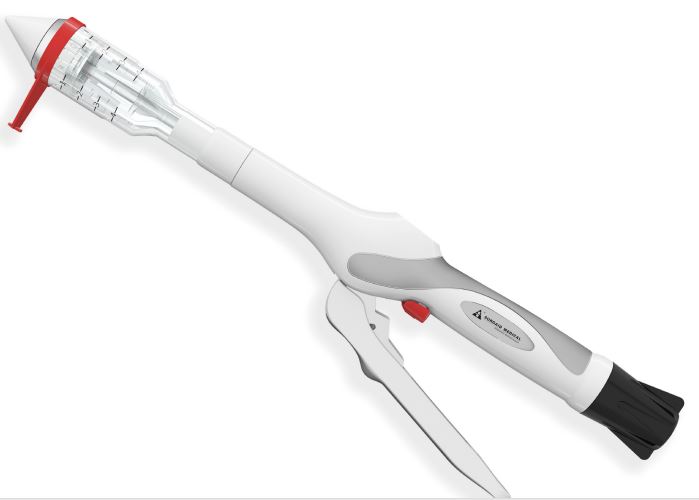
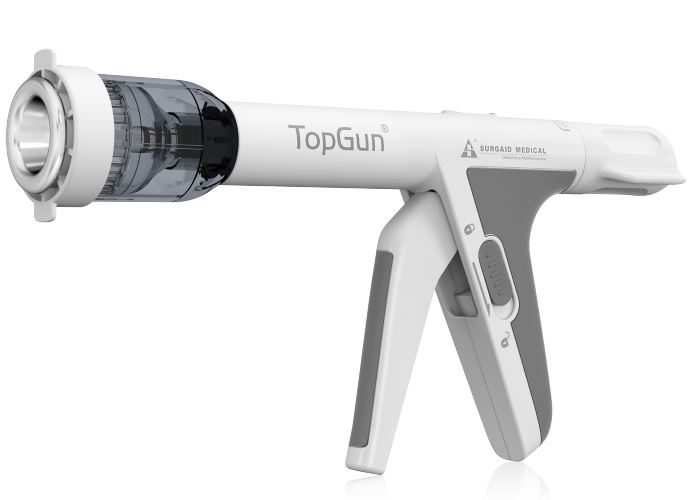
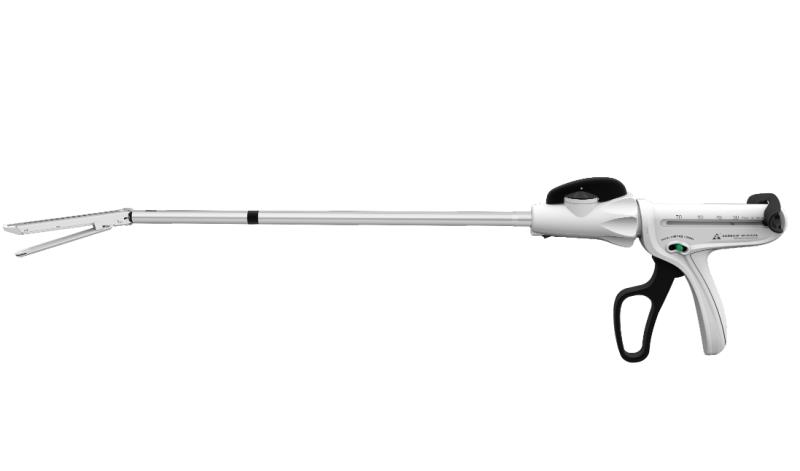
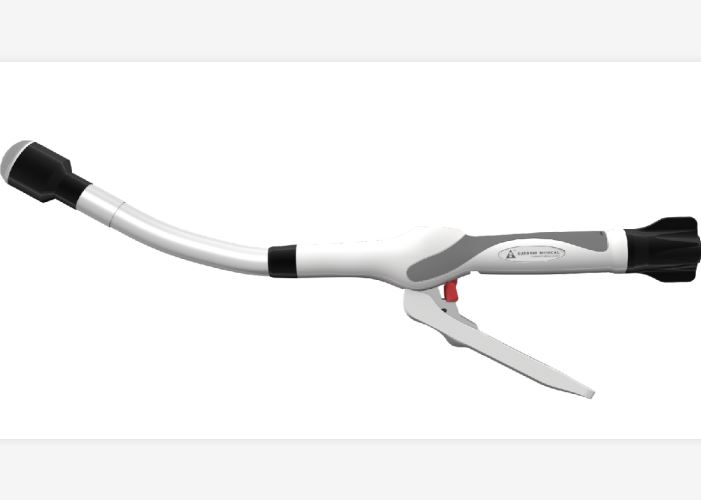
Surgaid Medical (Xiamen) Co., Ltd has been committed to surgical product development ,production and marketing for 10 more years . In particular, minimally invasive surgical products. Minimally invasive surgery is a surgical direction of development. Such as Disposable Laparoscopic Trocar, Linear Cutter Stapler, Circular Stapler, PPH, and so on.
Manufacturing our own Surgical products allows us to have complete control over the design and evolution of our products. We are able to adapt quickly to the constantly evolving healthcare market and offer high quality, single-use, cost-effective solutions that directly compete with global market-leaders.
Surgaid products:
For more product information at https://www.surgaid-medical.com/