








Principles of laparoscopic surgery
1. Mirror axis principle
Laparoscope, target and monitor constitute the central axis of the entire operation. Personnel stations and puncture holes should be designed and implemented around the central axis.
2. Flat elbow stance principle
Adjusting the operating table makes the height of the anterior abdominal wall of the patient after the pneumoperitoneum is level with the surgeon’s 90-degree elbow flexion, which can minimize the surgeon’s fatigue during operation and is most in line with the basic principles of ergonomics.
3. The principle of equal length of upper limbs
The length of the various cables on the operating table (suction and suction lines, electrosurgical cables, optical cables, camera cables, etc.) above the fixed point is the same as the length of the surgeon's upper limbs, which is roughly equal to the surgeon's height minus 100 cm.
4. Triangular distribution principle
Laparoscopy and the left and right hand operation holes of the surgeon are distributed as inverted plane equilateral triangles as much as possible, and other auxiliary operation holes surround the core triangle to flexibly arrange holes according to the needs of the operation.
5. The 60-degree angle principle
The closer the intersection angle between the left and right hand instruments of the operator in the target target is 60 degrees, the more ergonomic principles are.
6. Bottom-up principle
Because the visual approach of laparoscopic surgery is 90-degree shift from the center of view of traditional open surgery, laparoscopic surgery usually starts from directly below the target and moves to the front and back of the target, while open surgery is Mostly, it is dissected from the front of the target to the front lower and upper front of the target.
7. Gradient solidification principle
When using electrosurgical equipment such as electric knife and ultrasonic knife to coagulate the tubular tissue structure, the 6-8-10 coagulation technique can make the broken end form a longer protein coagulation gradient, and reduce the intraoperative and postoperative complications as much as possible. There is a risk of surgical complications due to the coagulation of the broken ends caused by changes in intracavitary pressure.
8. Principles of Conservation of Blood Supply
When the main donor vessel of a target is smaller than the average person, we should be highly alert to the existence of its collateral, variant or perforating vessels.
9. The principle of progressive stages
Laparoscopic surgery should be carried out step by step in accordance with the principle of from easy to difficult, from simple to complex, and step by step.
Don't make the "Great Leap Forward" in the basic skills without real-time, otherwise it will fail the "satellite" and become a "shooting star."
10. The principle of overall optimization
That is to fully consider the actual condition of the patient, the skills possessed by the surgeon, and various objective material conditions, to optimize the design concept and surgical purpose, optimize anesthesia and surgery methods, and optimize application procedures for each patient.
Surgaid Medical (Xiamen) Co., Ltd
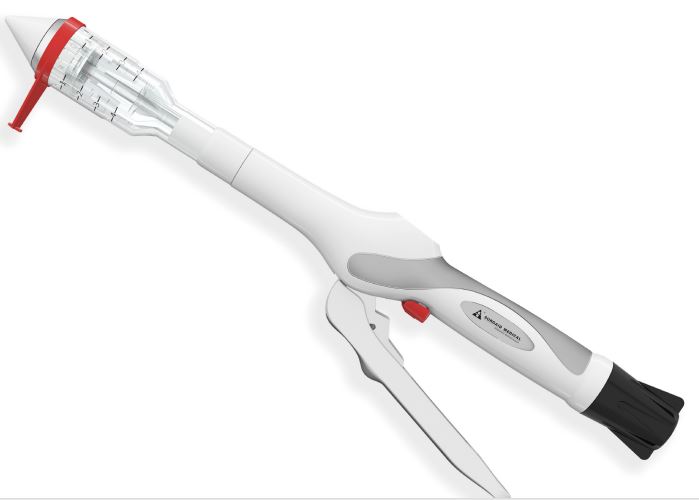
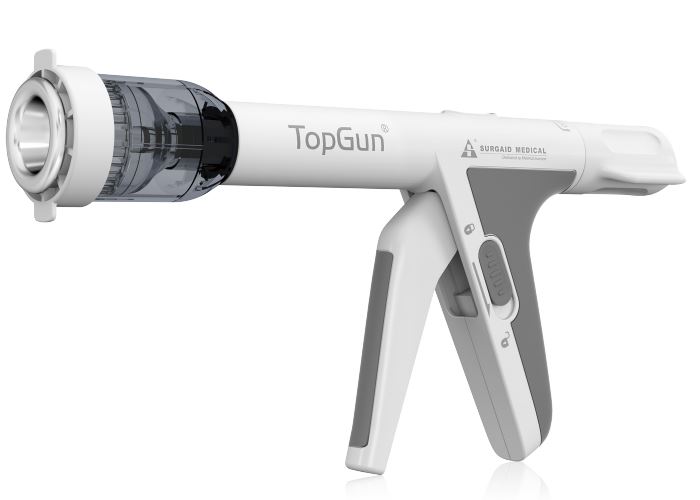
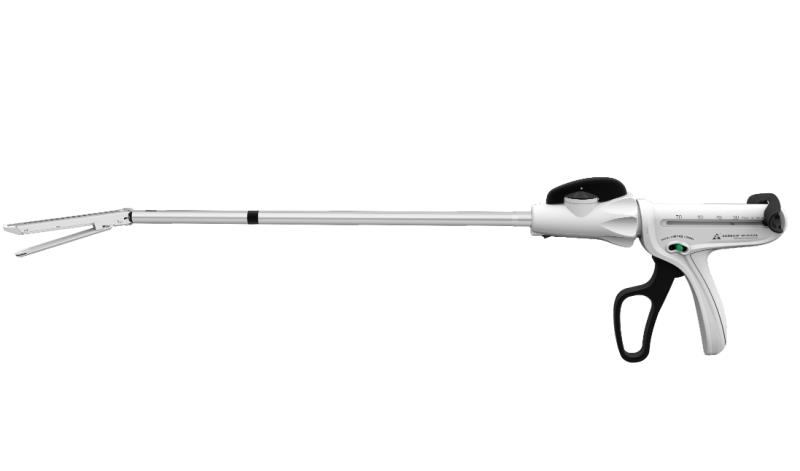
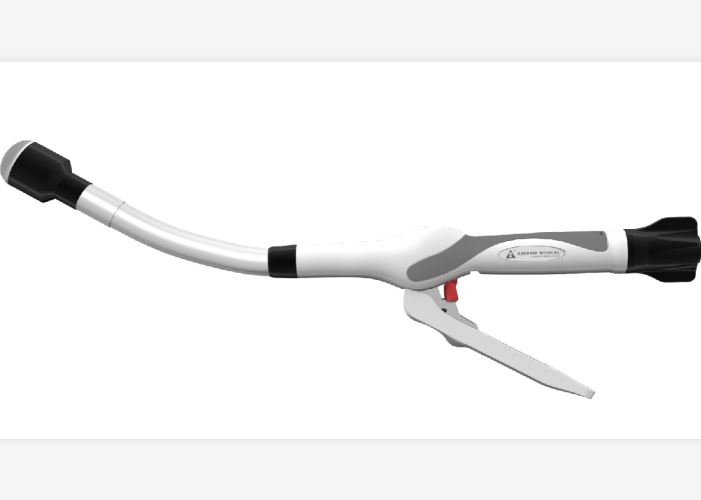
Surgaid Medical (Xiamen) Co., Ltd has been committed to surgical product development ,production and marketing for 10 more years . In particular, minimally invasive surgical products. Minimally invasive surgery is a surgical direction of development. Such as Disposable Laparoscopic Trocar, Linear Cutter Stapler, Circular Stapler, PPH, and so on.
Manufacturing our own Surgical products allows us to have complete control over the design and evolution of our products. We are able to adapt quickly to the constantly evolving healthcare market and offer high quality, single-use, cost-effective solutions that directly compete with global market-leaders.
Surgaid products:
For more product information at https://www.surgaid-medical.com