








The last thing a diabetic patient wants to see is that when the drug is pumped into the body, the insulin pump is hacked. Unfortunately, the safety of medical equipment is still a big problem.
Last year, the US Cyber Security and Infrastructure Security Agency (CISA) issued more than half of the warnings related to drug pumps. For example, hackers may use vulnerabilities found in pumps produced by Baxter International and Becton Dickinson Alaris System to launch DDoS attacks to change system configuration or steal patient data.
Judgment of the security situation
Cybersecurity has become an important task of the Federal Drug Administration. In 2020, the FDA issued a series of warnings, urging medical device manufacturers and hospitals to fix a series of vulnerable hardware, including SweynTooth, URGENT/11, Ripple20 and SigRed.
For example, Ripple20 is a set of bugs discovered in June 2020, which affected 53,000 medical devices. According to Forescout's research, these vulnerabilities can allow attackers to execute remote code.
According to Ordr's data, through a one-year analysis of 5 million medical Internet of Things (IoMT) devices, it was found that 86% of medical software was deployed on the recalled medical devices on the intranet. The recalled IoMT devices can be considered to have vulnerabilities or devices that pose security risks.
Potential risks
Experts warn that the safety of medical equipment is a long-term issue, and now due to the impact of COVID, the situation has become more severe. In order to be able to save more lives, hospitals must prioritize equipment budget and personnel allocation, which means that network security is often placed in a secondary position. To make matters worse, hackers are also aware of this, and now they are also using the weak network security measures of medical institutions to carry out a large number of ransomware and phishing attacks.
Universal Health Services is one of several hospitals that have been attacked by ransomware in 2020. As this institution has been attacked by cybercriminals, it has had a significant impact on more than 400 facilities in the United States, Puerto Rico and the United Kingdom. According to CISO Tom August, who has been working in the medical field for a long time, this problem of attacks on medical devices cannot be ignored.
August said: "If one of these devices is attacked, the potential impact is really great, but the possibility of being attacked is very small. Maybe you installed ransomware on my computer, which is bad for me. But if you install malicious software on the medical equipment connected to the patient, it will cause great harm to human life. "
The history of medical equipment safety
We should realize that how to ensure the safety of medical equipment has always been a very challenging problem in the field of safety. For a long time, the safety management of medical equipment has been very difficult. In other words, medical equipment often has many problems such as unclear patch release and update mechanisms, incorrect device configuration (such as forgetting to change the default password).
Medical IoT devices were recalled and operated on the internal network. Tim Erlin, vice president of product management and strategy at Tripwire, said: "The coronavirus has not created more vulnerabilities in medical equipment, but has exposed existing vulnerabilities."
This field also faces some unique challenges. For example, because the FDA has strict requirements on the configuration of the equipment and the agency has signed a contract with the supplier, nursing agencies often have to rely on inefficient suppliers for patching, upgrading, and replacement, which is a very slow process.
August said: "Medical equipment is a blind spot in the hospital. In many cases, the hospital cannot manage the equipment. This work must be done by the supplier. We cannot patch them because the supplier does not allow them. We cannot install anti-malware software for protection, because the supplier says this would violate the warranty contract. "
Solution
It may be particularly difficult to reduce the cyber security risks of medical equipment, but there are some good practical cases that can help us.
Inventory of medical equipment is the first step to ensure network security. Ordr research found that 51% of IT teams don't know what type of equipment is connected to their network.
Ordr also found that Facebook and YouTube applications can run on systems such as MRI and Windows XP.
According to the report, "Using medical equipment to access the Internet may expose organizations to higher security risks and are vulnerable to ransomware and other malicious software."
At the same time, the following suggestions for evaluating IoT devices are put forward: assess the device's exposure to the Internet, disable unnecessary or unused services on the device, and divide the network according to the needs of the device.
Surgaid Medical (Xiamen) Co., Ltd
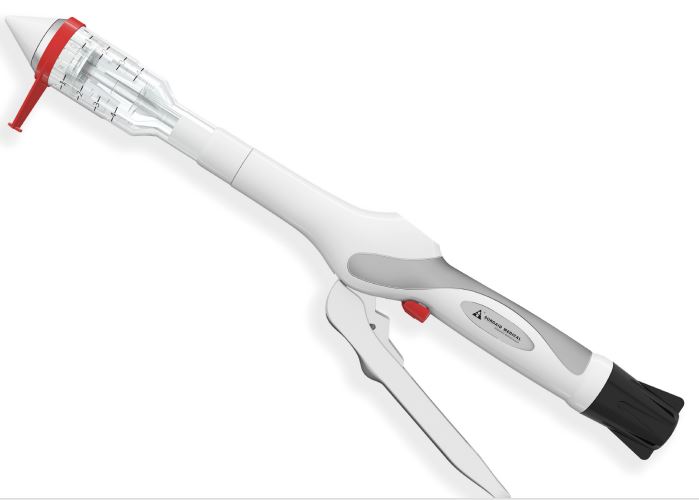
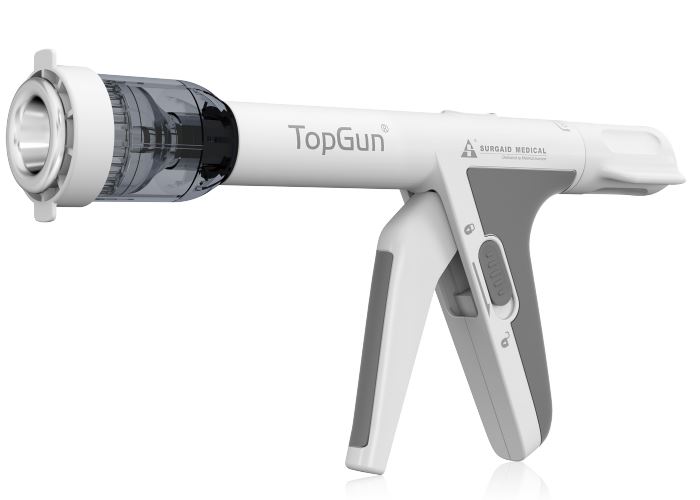
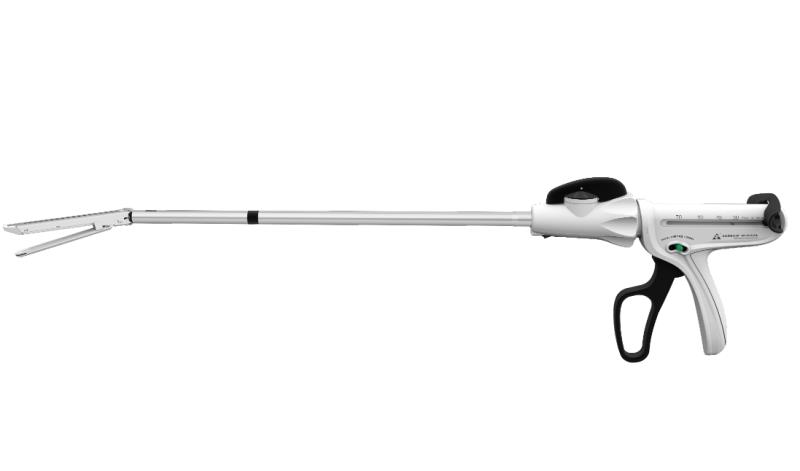
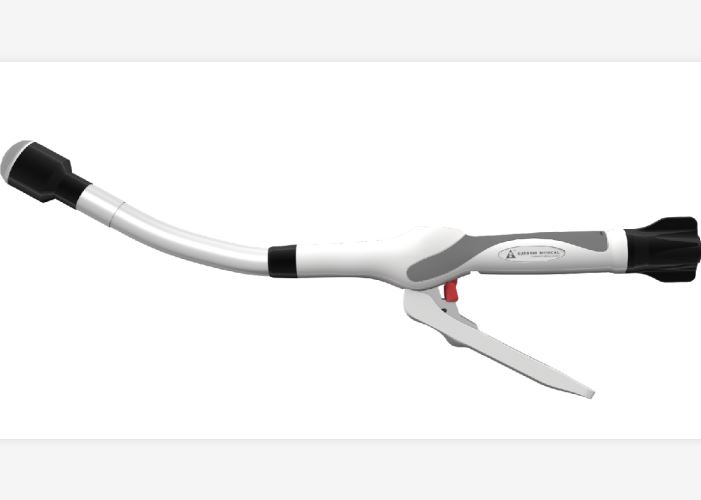
Surgaid Medical (Xiamen) Co., Ltd has been committed to surgical product development ,production and marketing for 10 more years . In particular, minimally invasive surgical products. Minimally invasive surgery is a surgical direction of development. Such as Disposable Laparoscopic Trocar, Linear Cutter Stapler, Circular Stapler, PPH, and so on.
Manufacturing our own Surgical products allows us to have complete control over the design and evolution of our products. We are able to adapt quickly to the constantly evolving healthcare market and offer high quality, single-use, cost-effective solutions that directly compete with global market-leaders.
Surgaid products:
For more product information at https://www.surgaid-medical.com/