







In 2018, the article "0.5% metronidazole solution incision irrigation combined with gentamicin sulfate to prevent post-appendicitis wound infection and its effect on incision healing" showed that: Washing incisions with 0.5% metronidazole solution combined with gentamicin sulfate to prevent post-appendicitis patients with incision infections. After appendicitis surgery patients, using 0.5% metronidazole solution to clean incisions can effectively prevent postoperative incision infections and ensure patients' incisions. The healing, and the safety is high.
But this measure is not mentioned in the relevant guidelines, and it is not even recommended. So how should the incision be washed?
Let's take a look at the official explanation that mentions incision washing:
2016 Global Guidelines for the Prevention of Surgery Site Infections Regarding SSI prevention and control guidelines:
It is recommended to rinse the incision with povidone-iodine solution before closing the incision, especially to clean the incision and clean-contaminate the incision.
2019: Chinese version of guidelines for the prevention and control of surgical site infections:
*Use povidone-iodine solution to rinse the incision before closing the incision, especially clean the incision and clean-contaminate the incision
*There is currently no sufficient evidence to support or oppose the use of saline irrigation before the surgical incision is closed to prevent SSI.
*Consider flushing with povidone-iodine solution before the incision is closed to prevent SSI, especially for cleaning and cleaning-contaminated incisions.
*For the purpose of preventing SSI, antibiotics should be used to rinse the incision before closing.
Intraoperative SSI control and prevention opinions issued by WSES in 2020:
*There are insufficient data to determine the role of saline or povidone solution washing before sutured incisions in preventing SSI.
*Excessive flushing may remove your own immune cells and more likely to increase the incidence of SSI
Therefore, through the above guidelines, we conclude:
There is currently no sufficient evidence to support or oppose the use of saline irrigation before the surgical incision is closed to prevent SSI. If the incision is washed, povidone solution irrigation can be selected, but it is not recommended to use antibiotics before the incision is closed for the purpose of preventing SSI.
So besides povidone iodine, you can choose other?
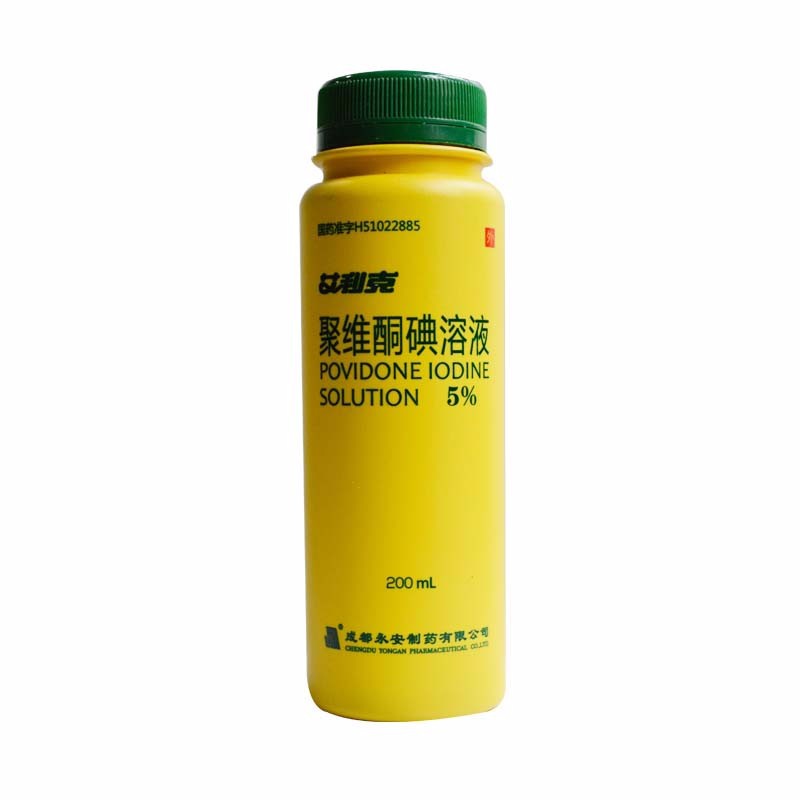
1.Povidone iodine: It can be used for purulent dermatitis, skin fungal infections, small areas of mild burns and scalds, and also for the disinfection of small areas of skin and mucous membrane wounds. It is used for wound treatment and dressing under routine conditions
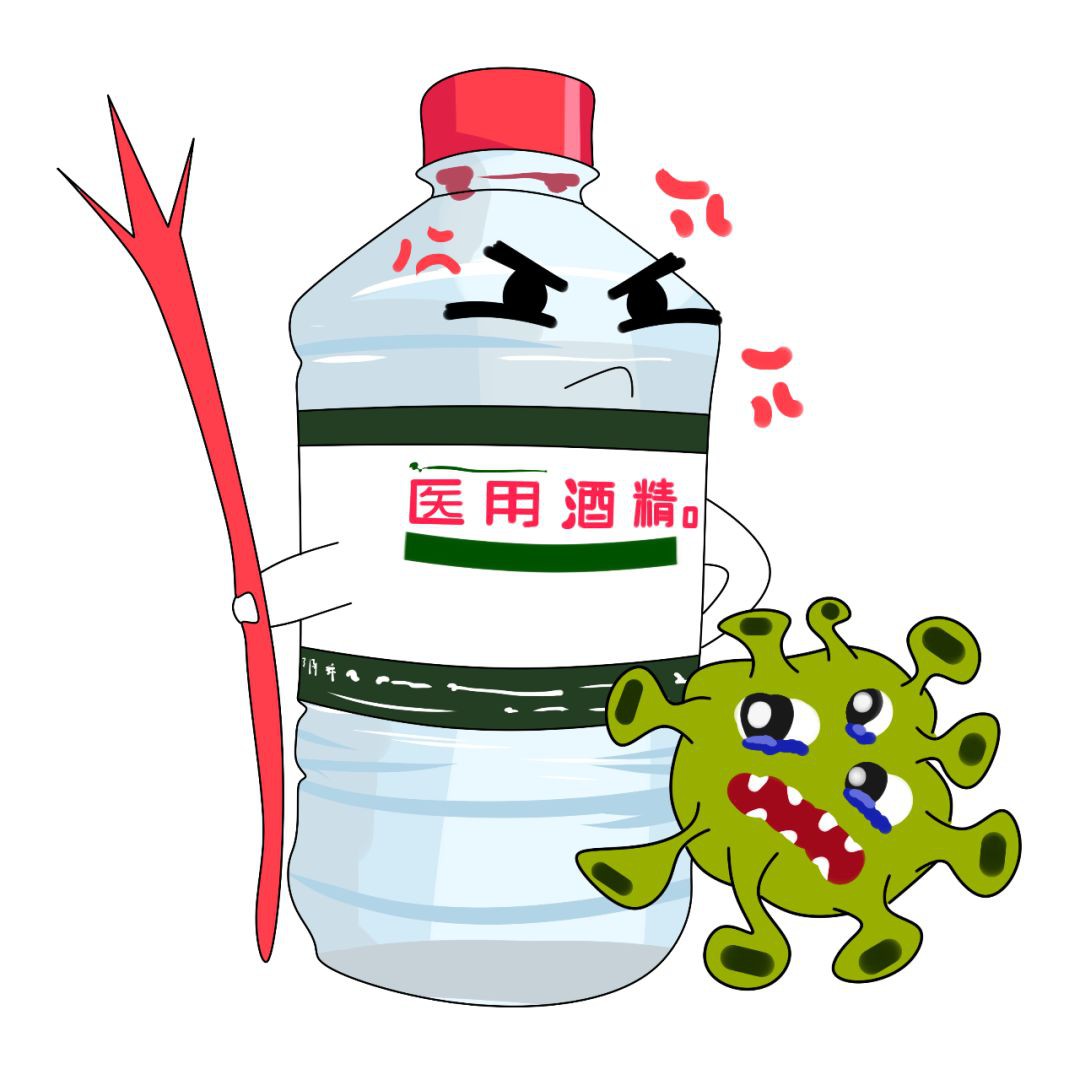
2.Ethanol:70%—80% ethanol is irritating and cannot be used to disinfect mucous membranes and wounds.
3.Chlorhexidine
4.Quaternary ammonium salts (Syngermide)
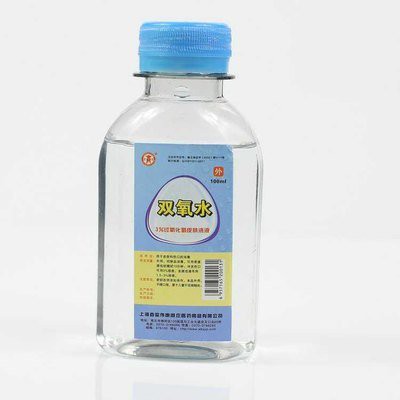
5.Hydrogen peroxide: There are reports of gas embolism caused by orthopedic surgery and direct injection of hydrogen peroxide into blood vessels abroad. There are also reports of gas embolism inthe biliary tract caused by hydrogen peroxide flushing in China.
Surgaid Medical (Xiamen) Co., Ltd
Surgaid Medical (Xiamen) Co., Ltd has been committed to surgical product development ,production and marketing for 10 more years . In particular, minimally invasive surgical products. Minimally invasive surgery is a surgical direction of development. Such as Disposable Laparoscopic Trocar, Linear Cutter Stapler, Circular Stapler, PPH, and so on.
Products: