








Surgical Stapler Advantage
Surgical staplers were developed in response to concerns about the healing of traditional sutures. Evidence seemed to suggest that sutures were more prone to leaks and separation, although further study indicates that when placed properly, conventional sutures are perfectly safe. However, the development of the surgical stapler also created a number of advantages, including speed, accuracy, and evenness of wound closure, which made the stapler a useful operating room tool. Both stapling and suturing are taught to surgeons, and training about the appropriate settings for each technique is also provided.
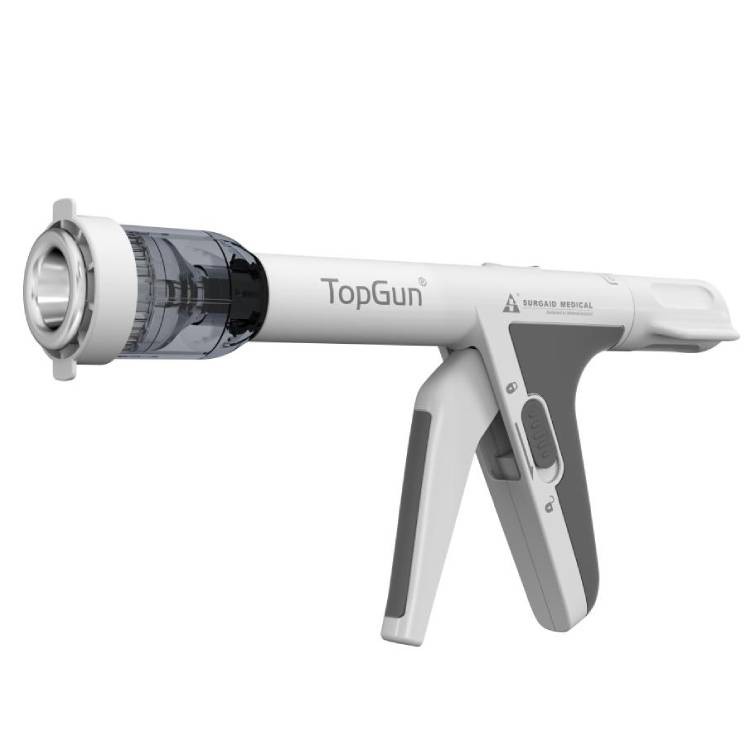
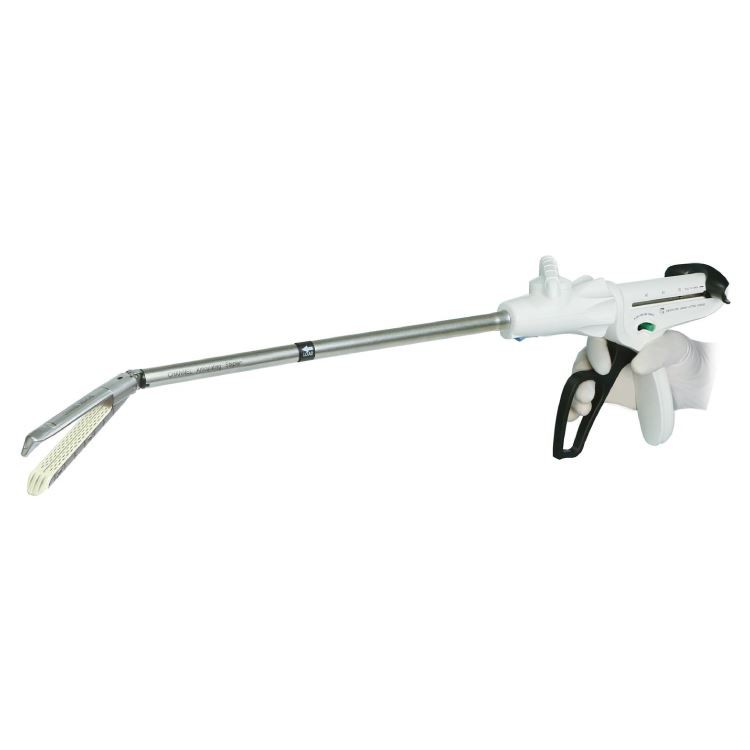
Surgical Stapler Types and applications
Now surgical staplers are either disposable, made of plastic, or reusable, made of stainless steel. Both types are generally loaded using disposable cartridges.
The staple line may be straight, curved or circular. Circular staplers are used for end-to-end anastomosis after bowel resection or, somewhat more controversially, in esophagogastric surgery.The instruments may be used in either open or laparoscopic surgery, different instruments are used for each application. Laparoscopic staplers are longer, thinner, and may be articulated to allow for access from a restricted number of trocar ports.
There are several surgical stapler designs on the market, intended for different types of staple placement. Some surgeons like to use disposable staplers, which are fitted with disposable cartridges and used on a single patient. Others use reusable staplers made from stainless steel. In this case, a disposable cartridge is used, and the stapler is sterilized after use so that it can be used on another patient. Reusable staplers generate less surgical waste, but energy is required to sterilize them, so the net environmental impact when compared to a disposable product is not very different.
Although most surgical staples are made of titanium, stainless steel is more often used in some skin staples and clips. Titanium produces less reaction with the immune system and, being non-ferrous, does not interfere significantly with MRI scanners, although some imaging artifacts may result. Synthetic absorbable (bioabsorbable) staples are also now becoming available, based on polyglycolic acid, as with many synthetic absorbable sutures.
Titanium staples are never solely titanium; they all have some amount of nickel content. Patients who have allergies to nickel, for example cheap jewelry causes a rash or earrings cause break-outs, oozing, or itching, should discuss nickel allergies with their surgeon.