







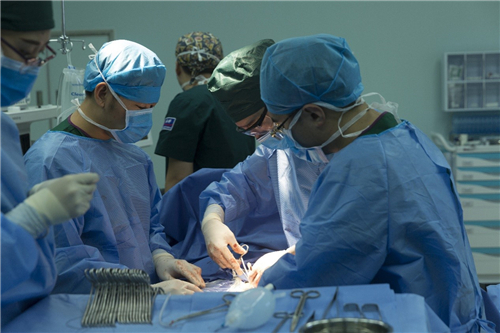
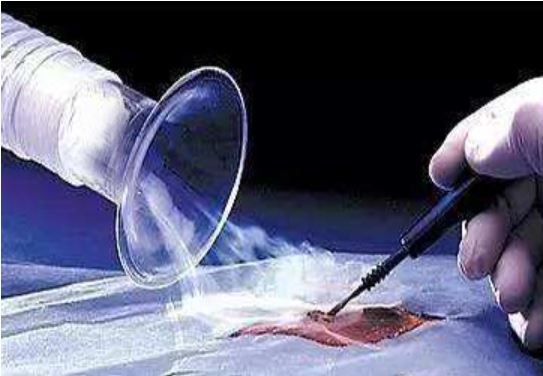
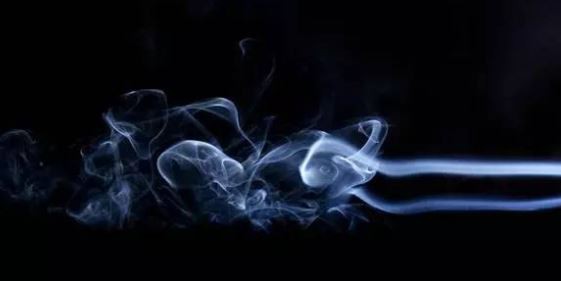
Surgical smoke not only obstructs the sight of operators, but also releases toxic and harmful substances into the air. It can cause headaches, inflammation of the eyes and mucous membranes and other symptoms in the operating room.
Composition and harm of surgical smoke
Surgical smoke is composed of 95% water or steam and 5% cell debris in the form of particles.These particles mainly contain components, such as blood and tissue fragments, harmful chemical components, active viruses, active cells, inactive particles, and mutation-inducing substances.The main chemical components in the smoke of harmful chemical components are hydrocarbons, nitriles, organic amines and aldehydes. Studies have shown that these chemical components can cause headache, dizziness, tearing, nausea, cough, bronchitis, asthma and other symptoms.
1. Active virus
In 1988, Garden et al. used different modes and energies of the CO2 laser to test the DNA of bovine fibrous papilloma (BPV) and human papilloma (HPV) in surgical smoke. The results showed that the vapor generated by the laser contained complete HPV. DNA.Stanford University researcher Johnson et al. found active HIV virus in the low-temperature smoke of laparoscopic surgery, and its survival period in the surgical smoke can be as long as 14 days. As a result, the surgeon increases the risk of hepatitis, HIV, HPV and other diseases.
2. Viable cell
A large number of studies have found that laser instruments, electrosurgical equipment, and ultrasonic knives can vaporize complete tissue cells and blood components. These vaporized cells are still active and can infect surgical staff.Studies have found that after electrocautery surgery is performed on mouse melanoma cells, there are active melanoma cells in the surgical smoke.In laparoscopic surgery, vaporized tumor cells may leak out through the gaps around the endoscopic sleeve. The damage caused by the endoscopic sleeve and trocar may lead to the implantation of tumor cells.
3. Inactive particles
Research conducted by Wang Hongkai from the Cancer Hospital of Fudan University and others found that the PM2.5 concentration within 40cm of the surgical site quickly reached 149.4-245.7μg/m3 within 3-6s after the first surgical incision, which was 2-4 times higher than the normal value.Long-term inhalation or exposure to these tiny particles can cause pulmonary fibrosis, pulmonary congestion, emphysema and other diseases.
4. Mutation-inducing substances
In 1992, Gatti, Bryant, etc. collected the smoke produced during breast plastic surgery and found that it could mutate the TA98 strain of Salmonella.
The U.S. Occupational Safety and Health Administration estimates that about 50,000 people are exposed to surgical smoke each year, including surgeons, nurses, and anesthesiologists.
How to protect ourselves during surgery-Disposable Surgical Smoke Filtration
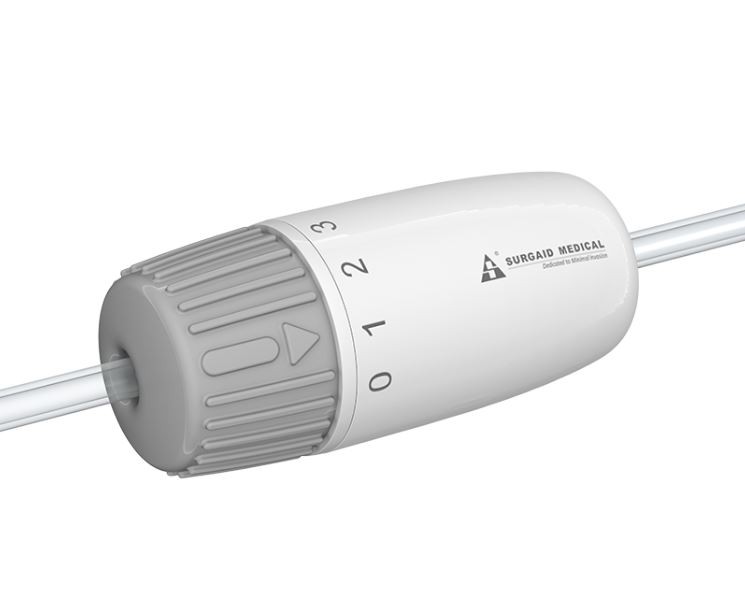
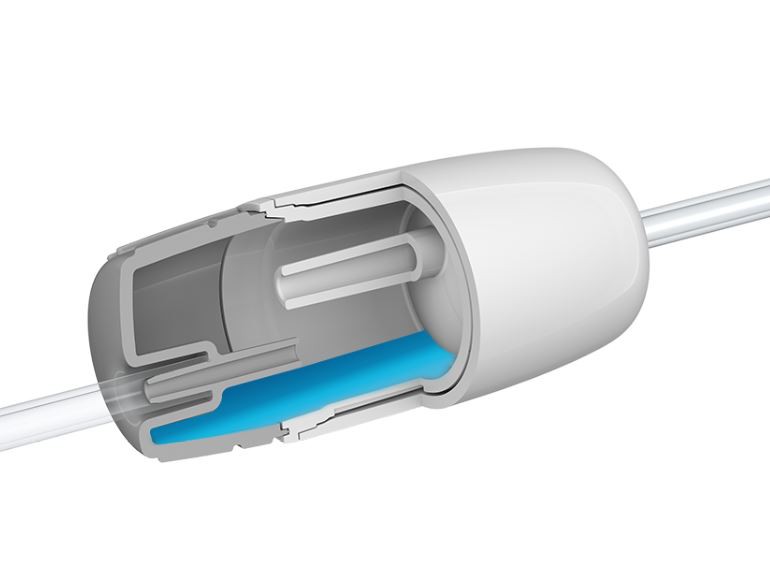
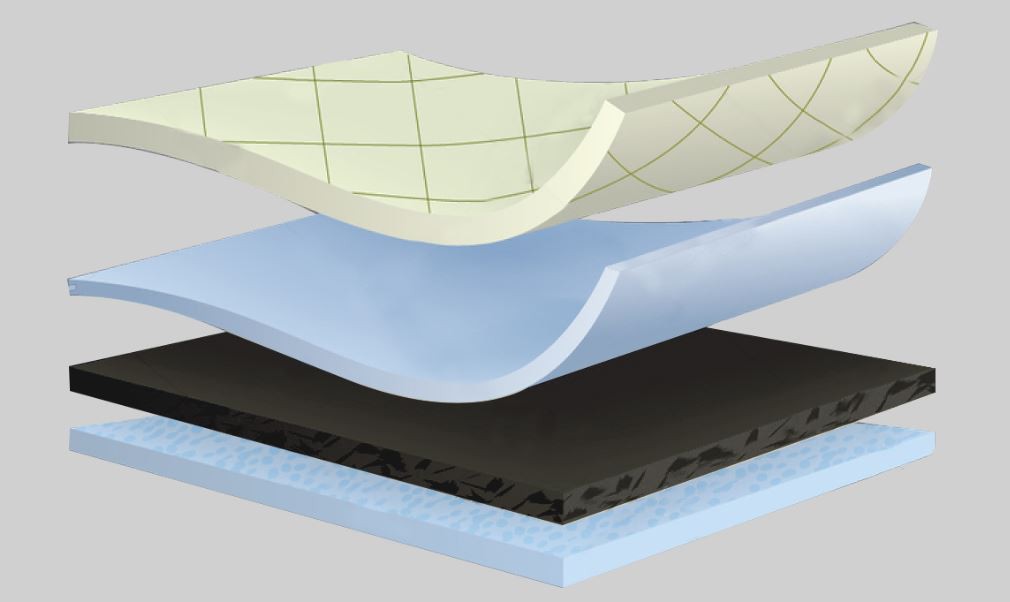
Disposable Surgical Smoke Evacuation Equipment enables safe, simple and effective removal of surgical smoke. Diathermy and laser technologies extensively used in laparoscopic surgery result in smoke plume generation. Surgical smoke not only inhibits the surgeons’ view of the operative site but also, potentially contains biological pathogens (bacteria, viruses and cancerous cells) as well as chemical toxins.