








With the outbreak of the novel coronavirus pneumonia, minimally invasive surgery, as the main technical form of surgery, has experienced rapid development for 30 years, but it has also been given a pause for deep reflection due to the epidemic.In the current and post-epidemic era, the mission of minimally invasive surgery has not changed. It is necessary to make the operation faster, better, with less bleeding, and more cost-effective. In clinical practice, awareness of the risks of potential clinical infectious diseases should be improved. Combining the characteristics of laparoscopic surgery, we will do a good job in epidemic prevention and control and occupational protection from multiple levels such as grasping of surgical indications, pneumoperitoneum management, aerosol management, and operating room protection. At the same time, through the epidemic, we have also seen the value and problems of minimally invasive surgery in surgical teaching, clinical research, and academic exchanges. How to turn "crisis" into "opportunity" has become our main consideration. Emphasis on education, encouragement of innovation, and control of medical insurance costs will still be the future development direction.
Under the unified command, coordination, and scheduling of the Party Central Committee, a climax of supporting Wuhan's fight against the new coronavirus pneumonia (COVID 2019; Chinese abbreviation COVID-19) epidemic has been set off across the country. Medical teams have been organized to support Wuhan. Medical staff are obliged to bear the brunt. Respiratory, Infectious Medicine, Intensive Medicine, and Nursing are the main force. Although the surgeons also enthusiastically signed up and actively invited Ying to participate in the war in Hubei, they were helpless but were still on the alternate echelon. In the face of the tense fight against the epidemic, the responsibility of the surgeon is to stick to his post and do his own job and complete the treatment tasks other than the hospital's anti-epidemic. However, after the wave of operations before the Spring Festival was completed, the epidemic suddenly rose. In order to control the epidemic and avoid cross-infection caused by the movement of people, major hospitals have adopted countermeasures to control the number of outpatients, hospitalizations, and surgeries, and superimpose the factors of the Spring Festival holiday. After the festival, the amount of surgical operations dropped by about 80%. Some The hospital even shut down ordinary surgery. Although the current fight against the epidemic is gradually resuming ordinary surgery, due to the implementation of stricter isolation measures in the fight against the epidemic in various cities, the flow of personnel across provinces and other places has been reduced, and the amount of surgery for ordinary patients has been objectively reduced. The shortage of blood sources for clinical use makes major operations face greater challenges. It is estimated that this situation will continue for some time.
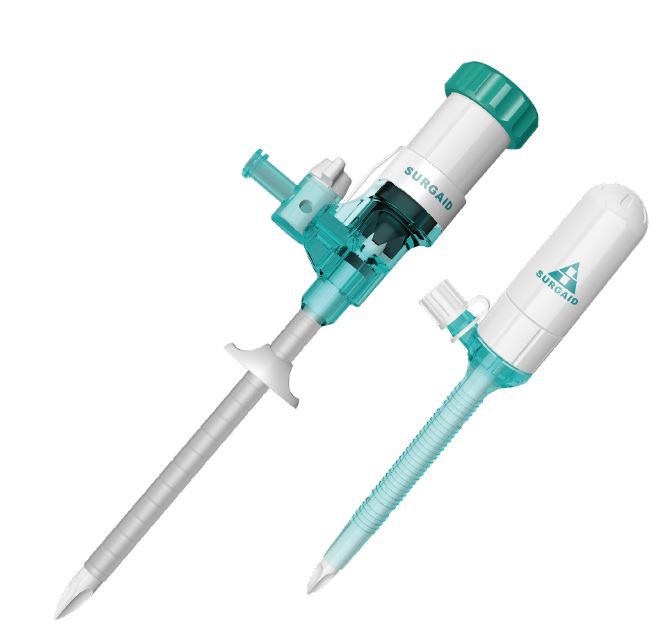
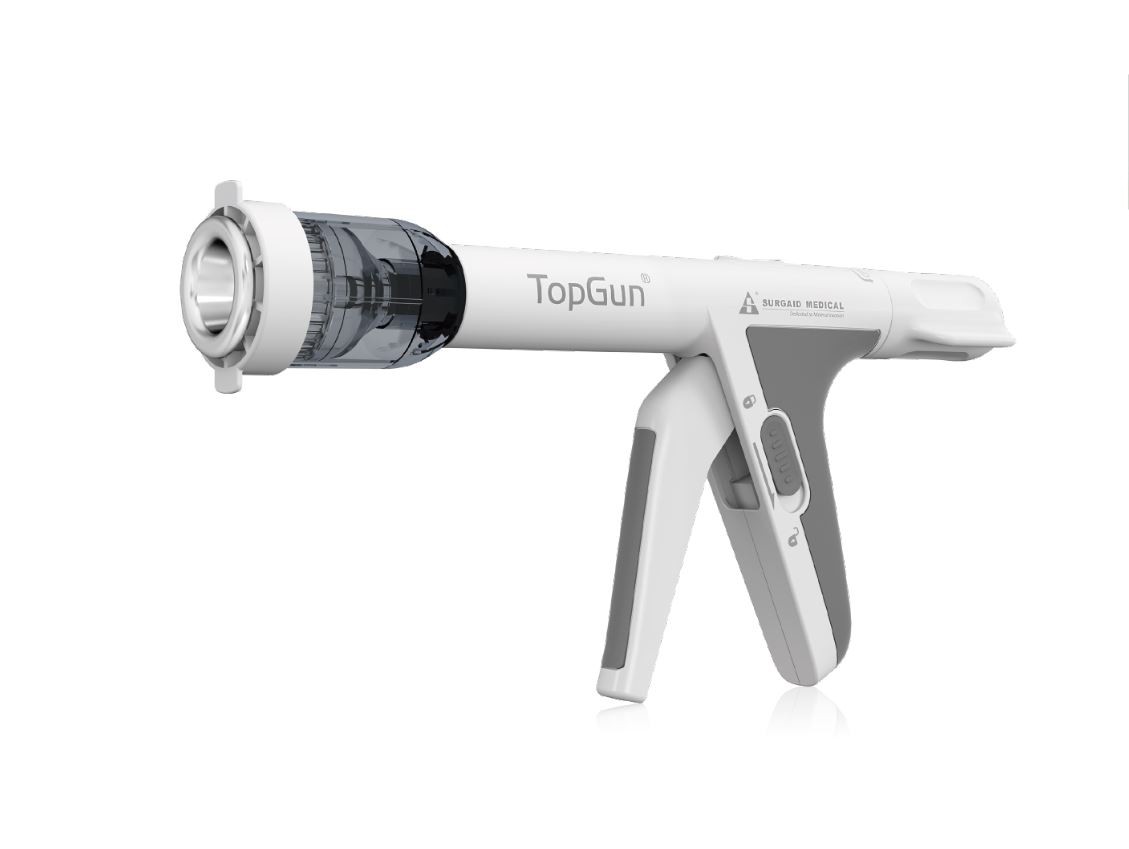
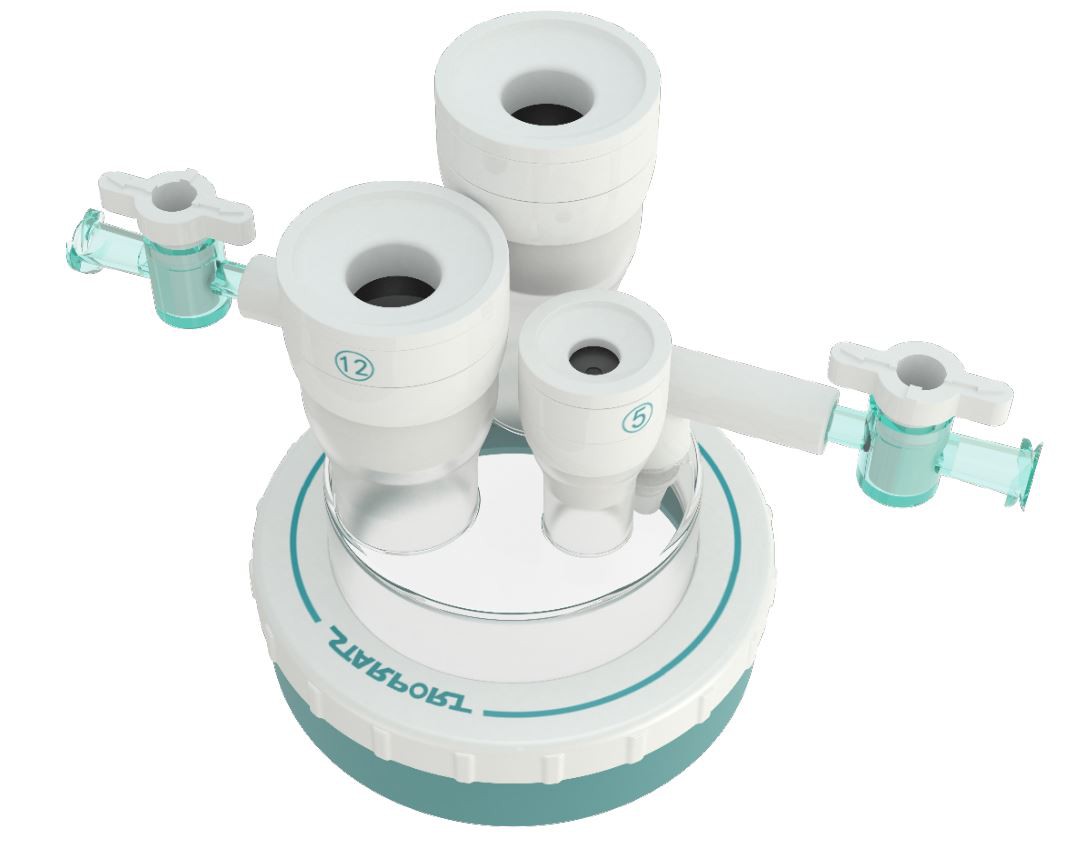
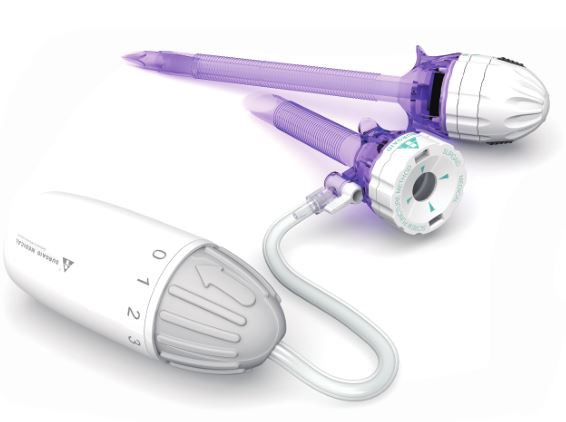
For more product information at https://www.surgaid-medical.com/
In general, although surgeons seldom played a role in the fight against the epidemic during the entire fight against the new crown pneumonia epidemic, the hospital especially hopes that the surgery can play a mainstay role for the hospital to restore normal medical care. Since minimally invasive surgery accounts for more than 50% of the total surgical volume in surgical clinics, minimally invasive surgery is facing a "decentralized" stress test. During the epidemic, in addition to emergency departments, most hospitals' surgical operations generally started the anti-epidemic mode, and surgeons who rarely took a break began another work and life mode. The French writer Albert Camus wrote in the book La Peste: "All that humans can win in this fight against the plague is knowledge and memory." In this epidemic, the lives of many people have been changed forever, and even if they have lost it, it is impossible to restart the difficult years. In the face of cruel reality, what we need to start is a reflection, which is not only national but also personal; not only social but also family; not only hospital, but also surgery. As the main technical form of surgery, minimally invasive surgery, after 30 years of rapid development, due to the impact of this epidemic, has obtained an opportunity to stop and reflect on it.
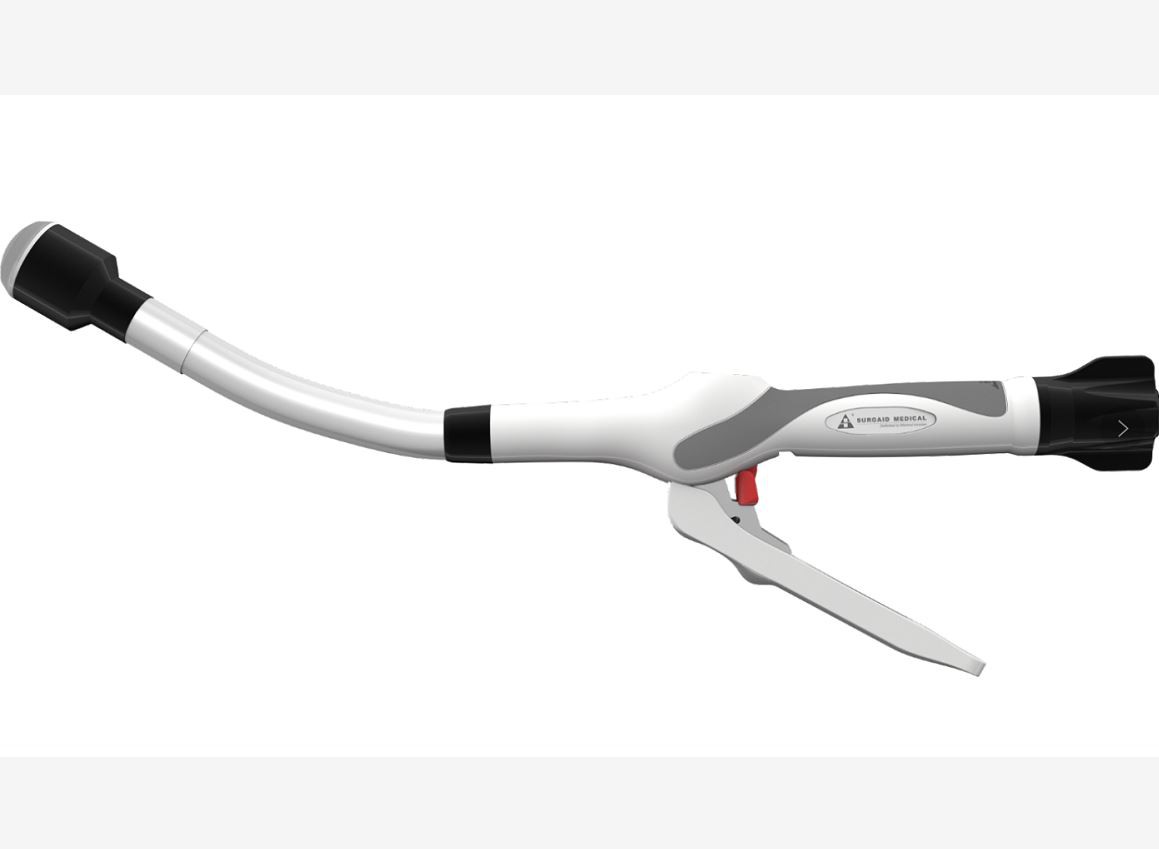
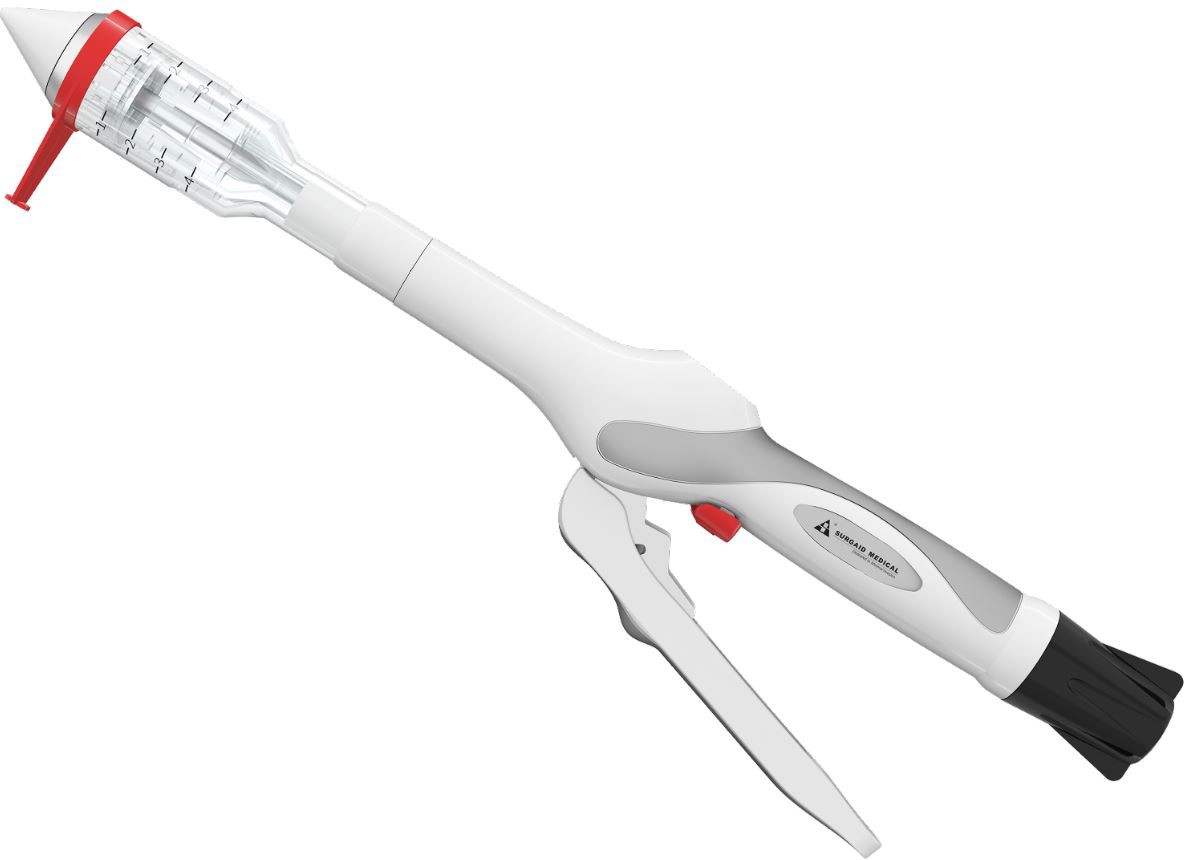
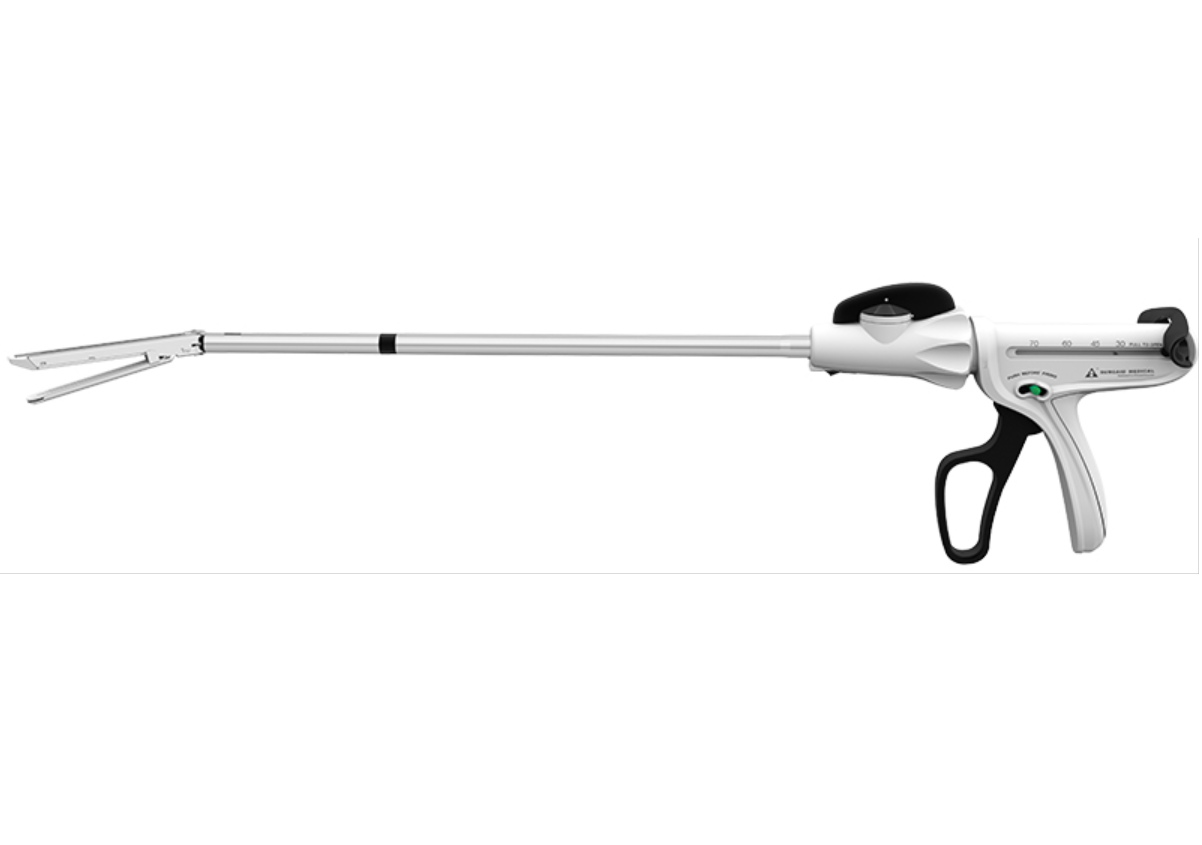
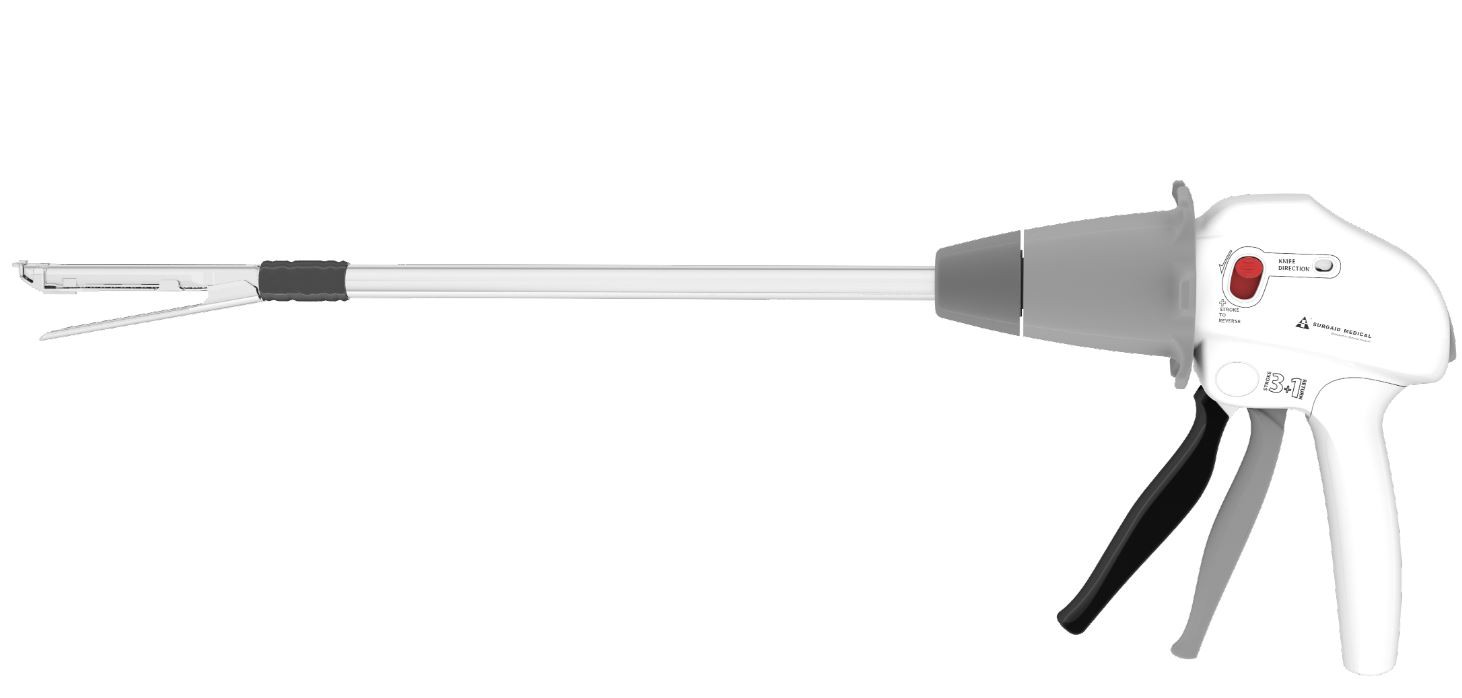
For more product information at https://www.surgaid-medical.com/
Surgaid participates in MEDICA online exhibition, please don't miss it.