








 |
Impact on the circulatory system |
The increase in CO2 pneumoperitoneum and abdominal pressure will affect the venous return heart blood volume, and in severe cases, Deep Vein Thrombosis (DVT) may occur.In addition, pneumoperitoneum can also stimulate the vagus nerve, leading to bradycardia and atrioventricular block.
|
Effects on the digestive system |
CO2 pneumoperitoneum increases the probability of PONV (postoperative nausea and vomiting). Especially young women, who have always been a high incidence of such symptoms, need special attention.
|
Impact on kidney function |
The normal pneumoperitoneum pressure is 12-15mmHg. Excessive abdominal pressure hinders normal kidney function, causing symptoms of decreased urine output during surgery.
|
Effect on postoperative pain |
fter the operation, residual CO2 gas forms carbonic acid in the body, which will stimulate the diaphragm and cause shoulder reflex pain.
|
Effect on tumor cells |
-
The airflow generated during pneumoperitoneum can cause tumor cells in the body to aerosolize and spread widely.
-
CO2 changes the PH value inside and outside the tumor cell, causing it to appear acidosis, and then increasing its growth.
-
Continuous pneumoperitoneum, due to the leakage of the incision or the deflation at the end of the operation, the tumor cells will adhere to the incisional hernia with the release of the pneumoperitoneum to form a plant.
Common carbon dioxide when entering the human body will cause so many problems that need attention, Laparoscopic surgery requires an anesthesiologist who lives in the whole hall, so start with the CO2 pneumoperitoneum!
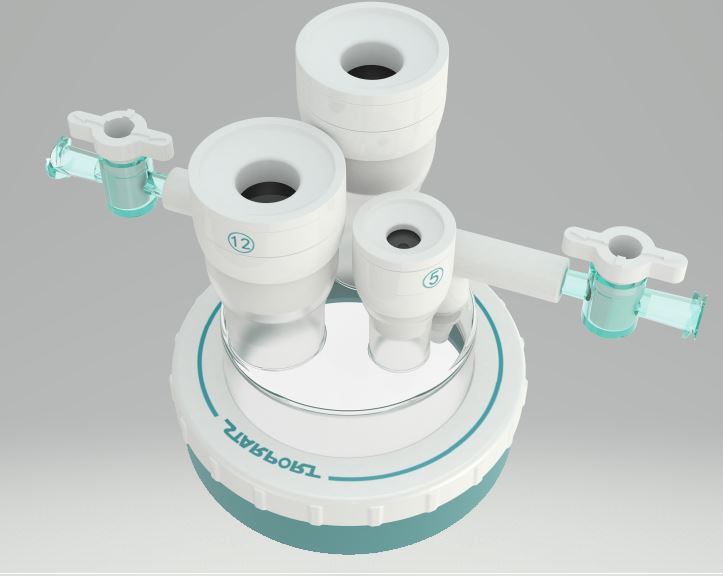
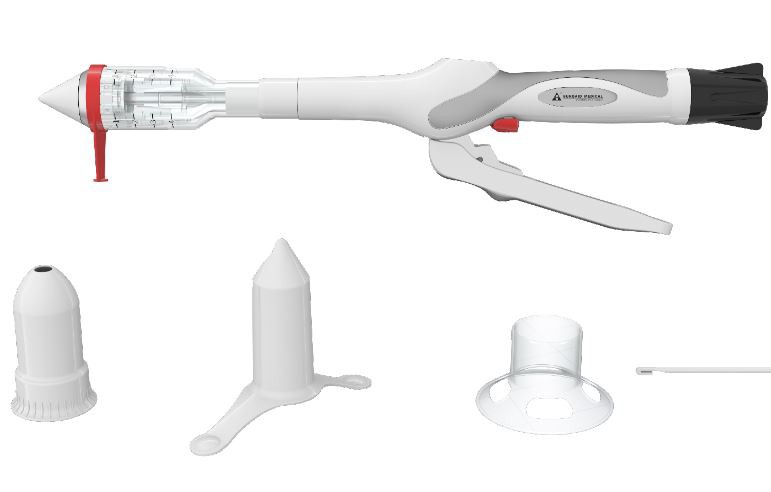
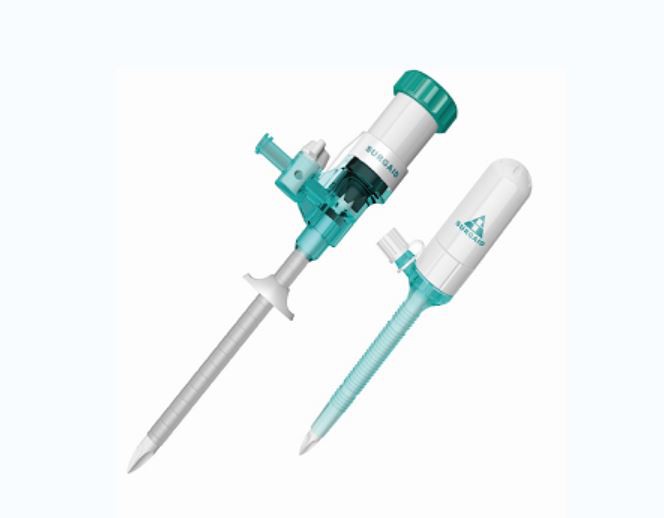


For more product information at https://www.surgaid-medical.com/