








1. Carbon dioxide retention, hypercapnia
In the establishment of artificial pneumoperitoneum, most of them use CO2 as the medium to expand the abdomen. CO2 pneumoperitoneum increases the intra-abdominal pressure, raises the septal muscles, increases the intrathoracic pressure, decreases the tidal volume, and increases the resistance of the venous return system which causes a decrease in cardiac output.
At the same time, the absorption of CO2 from the abdominal cavity can produce transient hypercapnia and respiratory acidosis. Acidosis may inhibit the myocardium, leading to a further decline in the patient's cardiopulmonary function.
Especially the elderly patients themselves have poor cardiopulmonary compensatory function, which is more likely to aggravate C02 retention and hypercapnia, and can also induce arrhythmia.
Solution:
1) The pneumoperitoneum pressure should not be too high, just keep it at 10-15 mmHg;
2) Intraoperative detection of blood oxygen saturation and blood gas analysis;
3) For those with poor cardiopulmonary function, strictly grasp the indications and inject slowly with low flow;
4) Shorten the operation time as much as possible, reduce the absorption of anesthetics and C02. Mechanical ventilation can effectively correct the problems caused by C02 pneumoperitoneum.
2.Gas embolism, subcutaneous emphysema, pneumothorax, etc.
High pneumoperitoneal pressure and negative pleural pressure cause air to enter the mediastinum and pleural cavity through aortic hiatus or esophageal hiatus. Congenital lung diseases such as pulmonary bullae can cause pneumothorax or mediastinal emphysema during surgery;
Air embolism is rare, but once it occurs, it is life-threatening. It is often caused by the insufficiency of the pneumoperitoneum needle into the intra-abdominal vein and the injury of the larger vein during operation, such as the rupture of the following vena cava and hepatic vein;
Subcutaneous emphysema is more common when the pneumoperitoneum needle penetrates the extraperitoneal space, the operation time is too long, and the pneumoperitoneum pressure is too high.
Solution:
1) When pneumothorax or pneumomediastinum occurs, air injection should be stopped and chest drainage should be closed to ensure stable vital signs;
2) Once the gas embolism occurs, immediately relieve the pneumoperitoneum, inhale pure oxygen, and quickly inhale the gas in the right heart and pulmonary artery by central venous catheterization;
3) Mild subcutaneous emphysema can be left untreated and absorbed by itself. In severe cases, hyperventilation is required, and the ventilator pressurizes oxygen.
3. Shoulder and back pain, nausea and vomiting, etc.
After CO2 establishes pneumoperitoneum and gas absorption, the most common complications are postoperative shoulder and quarter rib pain, postoperative nausea and vomiting.
The cause of postoperative pain caused by laparoscopic pneumoperitoneum may be that the pneumoperitoneum makes the diaphragm expand and the corresponding phrenic nerve is stretched. The residual gas after the operation causes the decrease of peritoneal tension and support to the abdominal viscera;
Postoperative nausea and vomiting are usually related to the stimulation of gastrointestinal mechanoreceptors and chemoreceptors, causing increased excitability of the vagus nerve.
Solution
1) Try to empty the CO2 gas in the abdominal cavity after the operation. Prolonged oxygen inhalation can accelerate the absorption of CO2 in the abdominal cavity and accelerate the emptying of the abdominal cavity;
2) Postoperative pain: flurbiprofen lipid microsphere injection 100 mg iv, parecoxib sodium injection 50 mg iv;
3) Postoperative nausea and vomiting: 1 injection of metoclopramide im, palonosetron hydrochloride 0.25 mg iv.
Surgaid Medical (Xiamen) Co., Ltd
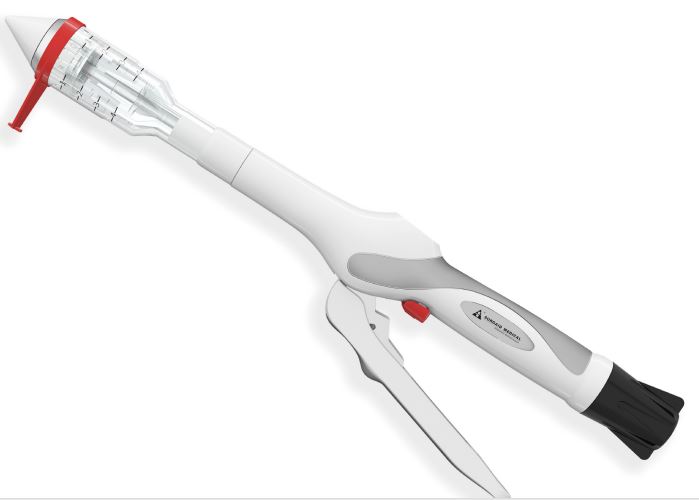
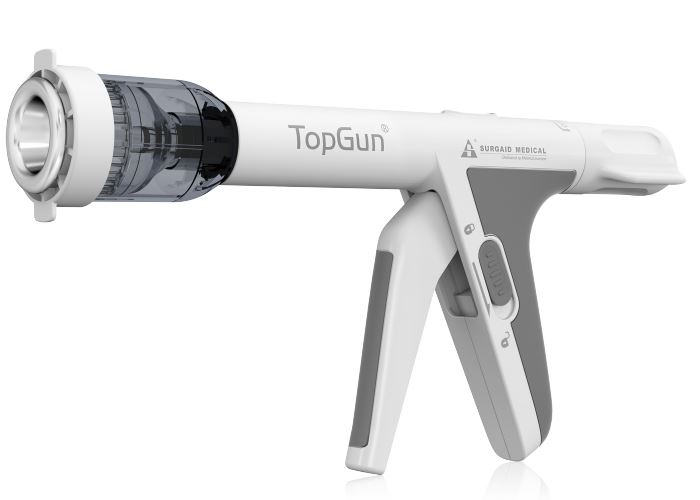
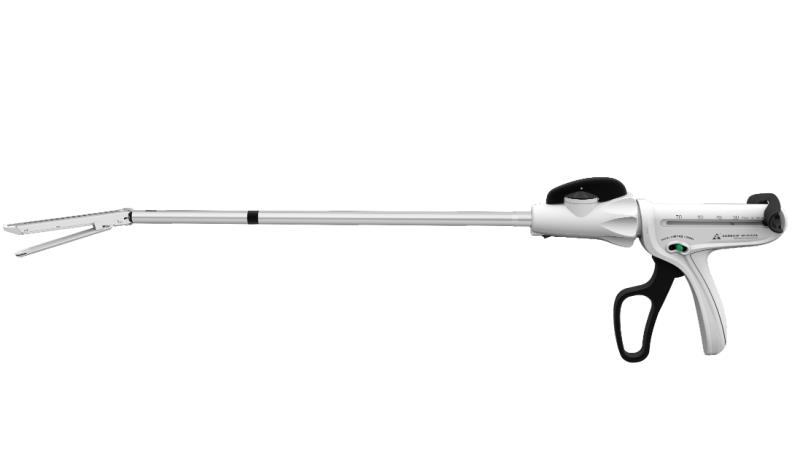
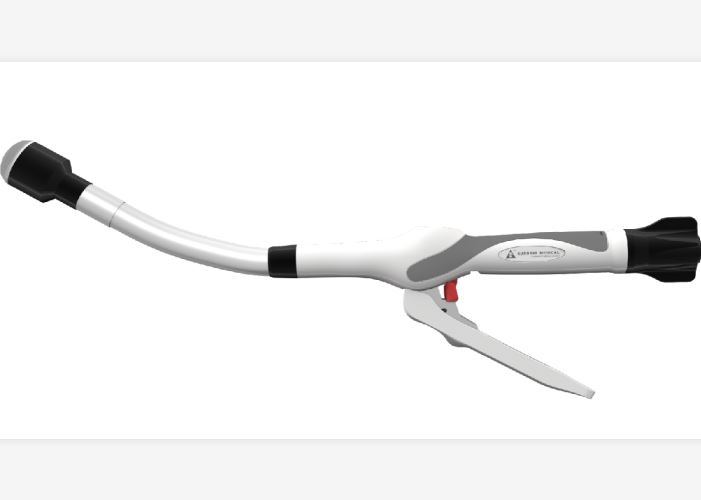
Surgaid Medical (Xiamen) Co., Ltd has been committed to surgical product development ,production and marketing for 10 more years . In particular, minimally invasive surgical products. Minimally invasive surgery is a surgical direction of development. Such as Disposable Laparoscopic Trocar, Linear Cutter Stapler, Circular Stapler, PPH, and so on.
Manufacturing our own Surgical products allows us to have complete control over the design and evolution of our products. We are able to adapt quickly to the constantly evolving healthcare market and offer high quality, single-use, cost-effective solutions that directly compete with global market-leaders.
Surgaid products:
For more product information at https://www.surgaid-medical.com