








For patients with type 2 diabetes, whether to choose sleeve gastrectomy or gastric bypass is a question that requires careful consideration. To determine whether the patient has insulin resistance, if it is a type 2 diabetic patient who is mainly insulin resistant, then whether it is sleeve gastrectomy or gastric bypass surgery, the hypoglycemic effect is ideal. Clinically, patients with type 2 diabetes who are mainly insulin resistant often have a relatively large body mass index. For patients with a body mass index below 35 kg/m2 and a longer course of diabetes, such as patients with a course of> 10 years before choosing sleeve gastrectomy , Be sure to check its islet cell function in detail.
The C-peptide value can reach more than 2 times after the glucose tolerance test oral sugar water for 2 hours, which often indicates that there is a certain reserve of pancreatic islet cell function, indicating that the hypoglycemic effect is better. Of course, there are also some multi-factor combined scoring systems that help predict the percentage of postoperative blood glucose relief. Relatively speaking, the course of disease is relatively long, and the body mass index is not very obese. The lowering effect of gastric bypass surgery is better than sleeve gastrectomy. The author’s previous research shows that for body mass index <30 kg/m2 and Patients with type 2 diabetes >30 kg/m2 have different mitigating factors. If there are no contraindications, such patients with type 2 diabetes are recommended to choose gastric bypass.
Sleeve gastrectomy and gastric bypass surgery have certain differences in the long-term effects of treating metabolic syndrome. Most studies have shown that gastric bypass surgery is better than sleeve gastrectomy in the treatment of hypertension, hyperlipidemia, and sleep apnea syndrome. However, these studies currently lack higher-level clinical evidence. Therefore, gastric bypass surgery is generally recommended for patients with multiple metabolic syndromes.
For super-obese patients with a body mass index of more than 50 kg/m2, most studies have shown that the effect of simple sleeve gastrectomy and banding surgery is not ideal, and the effect of biliary-pancreatic bypass surgery is the most ideal, but the relative incidence of nutritional complications Also more. Gastric bypass is a relatively suitable surgical method that balances the effects of weight loss and blood sugar reduction with complications.
Therefore, for super-obese patients, the author recommends gastric bypass surgery. However, the risks of surgery and anesthesia for super-obese patients are relatively high. Therefore, two-step surgery can also be considered for such patients, that is, sleeve gastrectomy first. After the weight of the patient drops, related complications are relieved to a certain extent, and the risk of surgery After lowering, then consider the second step of surgery-gastric bypass or biliary pancreatic bypass.
Sleeve gastrectomy and gastric bypass surgery have been standardized, but relatively speaking, gastric bypass requires higher technical requirements for endoscopic operation. As a surgeon, you also need to consider your own technical ability and the hospital's ability to manage patients, and comprehensively consider the selection of specific surgical methods.
There are similarities and differences in management after sleeve gastrectomy or gastric bypass. After sleeve gastrectomy, patients may mainly experience symptoms of vomiting and reflux esophagitis. For gastric bypass surgery, dumping syndrome or hypoglycemia may occur after the operation.
For these two types of operations, there are step-by-step dietary requirements for gradual transition from liquid to semi-liquid and general food, and specific requirements for quitting smoking and drinking. Regular follow-up visits are required after surgery to assess nutritional status and vitamin deficiency. For sleeve gastrectomy and gastric bypass surgery, due to insufficient intake and absorption, it is recommended that patients receive oral vitamin supplementation with iron, calcium and various trace elements after surgery.
Whether it is gastric bypass or sleeve gastrectomy, if there are complications or insufficient weight loss after the operation, corrective surgery is required. Corrective surgery needs to be evaluated under multidisciplinary rigorous evaluation to find the cause and give more than half a year of observation It is generally recommended to consider revision surgery for more than 2 years after surgery. Relatively speaking, the main reasons why sleeve gastrectomy needs to be corrected are reflux esophagitis, insufficient weight loss, or weight rebound. The reason is that the satisfaction rate of more than 90% can be achieved after gastric bypass. Therefore, the revision surgery recommends the stomach Bypass surgery.
The main reasons for postoperative correction of gastric bypass include insufficient postoperative weight loss, severe hypoglycemia, or anastomotic ulcers and perforations. Relatively speaking, it is more complicated to choose a correction plan after gastric bypass, which can reduce the size of the gastric pouch and gastrointestinal anastomosis, and may even need to be modified into sleeve gastrectomy.
In clinical practice, patients’ conditions are often complex, and their culture, income level, family history, weight loss history, and their own expectations are very different. Therefore, it is necessary to weigh the patients’ socioeconomic factors, self-management capabilities, expectations, and after surgery The degree of cooperation is based on comprehensive consideration of which specific surgical method is selected.
The choice of surgical method is not based on right or wrong, but to choose the most suitable surgical method for the patient. The maximization of patients' benefits and the improvement of the quality of life should be the ultimate goal of choosing a metabolic surgery for weight loss.
About Surgaid products:
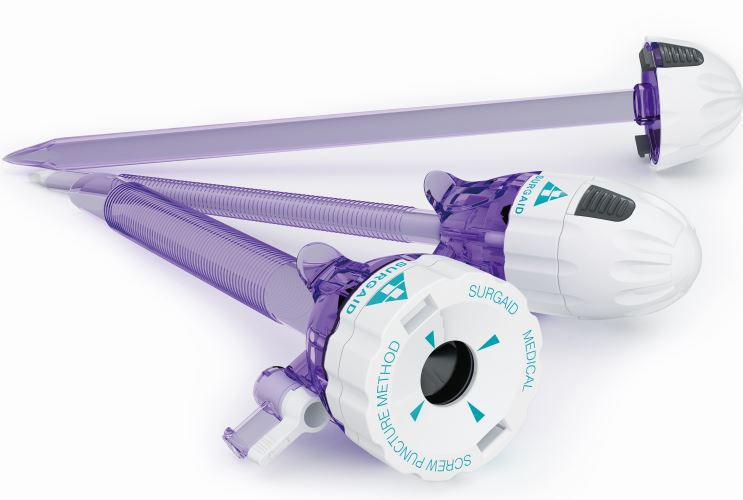
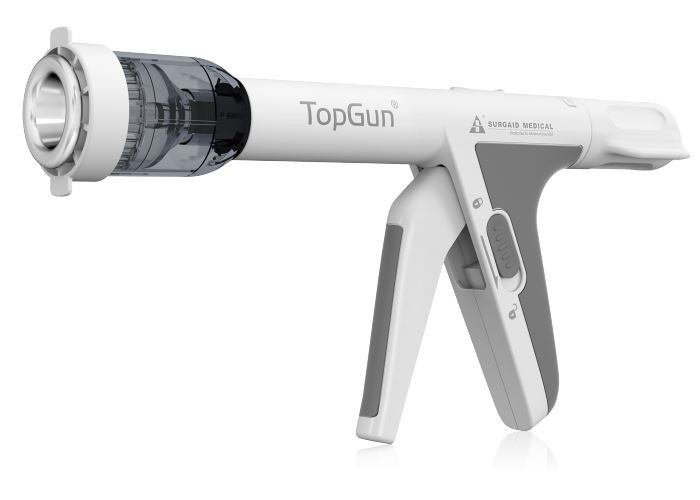
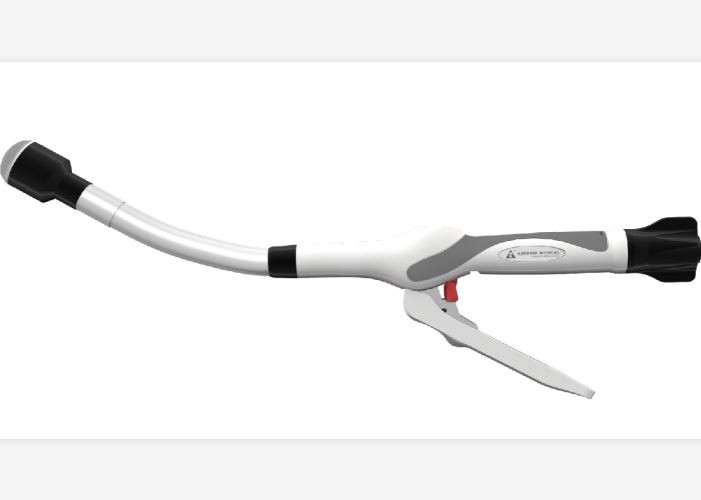
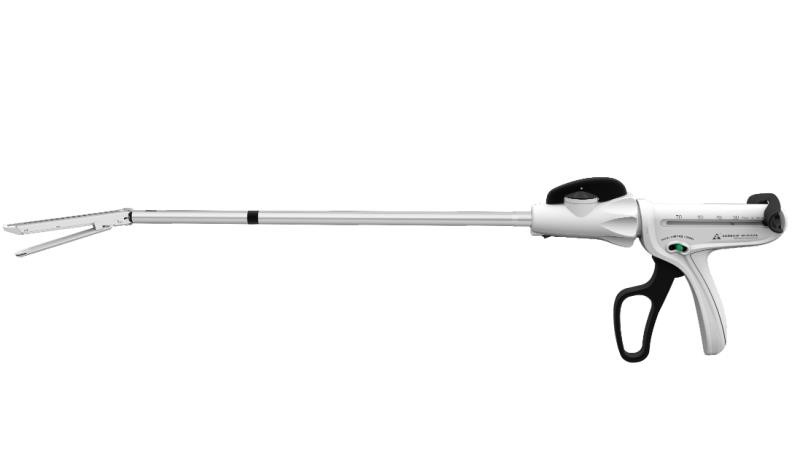
For more product information at https://www.surgaid-medical.com