








In 2019, the Surgeons Branch of the Chinese Medical Doctor Association released the "Investigation Report on the Practice of Chinese Female Surgeons." Preliminary analysis shows that in Shanghai, women account for 6.04% of the total number of surgeons, with majors in thyroid, breast surgery, gastrointestinal surgery and hepatobiliary and pancreatic surgery.
According to the American Medical Association, as of 2015, 19.2% of surgeons in the country were women. Among the 354 academic surgical clinics in the United States, only 28 executive director seats are assumed by women.

So, what influences the choice and achievements of "her" forces in the medical field? Recently, the Journal of the American Medical Association (JAMA) sub-volume Network Open released qualitative research, focusing on female surgeons and their career advancement.
The research team hired a female anthropologist and interviewed 30 female surgeons for free between February 19, 2019 and June 21, 2019. All have encountered at least one professional conflict in the workplace, and all have formal written records.
The research conducted an inductive analysis of the interviewees’ narratives and revealed three “keywords” related to professional conflicts in the workplace:
First, the background of the conflict, including performance issues related to the admission of patients, professionalism being questioned, and alleged violations of professional ethics.
Some interviewees stated that performance problems related to patient admissions include inability to obtain beds or equipment in time to handle patients, difficulty in prioritizing clinical work, and inability to communicate with clinical nurses about the patient's condition in a timely manner. "I called the emergency department and asked them to treat a patient as soon as possible. But I waited for a long time. So, I asked to communicate with the head nurse on duty. Maybe I was more direct and I was complained. She thought I was ordering, Threaten her."
Female surgeons put on makeup, which is regarded as “not enough professionalism”. In addition, the same rule has different levels of implementation for male and female surgeons. "If I and a male surgeon both ask the nurse. I will be punished. But he is fine."
Second, the meaning of conflict, specifically refers to the impact of related events on female surgeons (personal, professional, patient prognosis).

In 2018, a survey conducted by the American Association of Surgeons in a group with a majority of men showed that nearly one-third of the respondents believe that gender inequality in surgical medical activities is not a problem. However, this study found that the personal impact of conflict on female surgeons involves both emotional and physical aspects. From an emotional point of view, some interviewees admitted frankly that they would doubt themselves, feel lost, and feel humiliated and anxious after a conflict.
Career impacts include damage to professional reputation, making them afraid or unable to assume leadership positions and affecting promotion. In addition, questioning the diagnosis and treatment plan of female surgeons caused delays in nursing care. And some female surgeons are worried about conflict and will take the initiative to avoid interdisciplinary consultations.
Third, strategies to resolve conflicts include relationship management, creating a harmonious atmosphere, and using social capital.
According to the research team, the professional conflict experienced by female surgeons is more about their own reactions when communication is poor and their work is affected. Think of yourself as the bearer of "gender double standards." In addition, most professional conflicts occur between the same sex, that is, female surgeons and female nurses are both parties to the conflict.
Surgaid medical-minimal invasion instruments

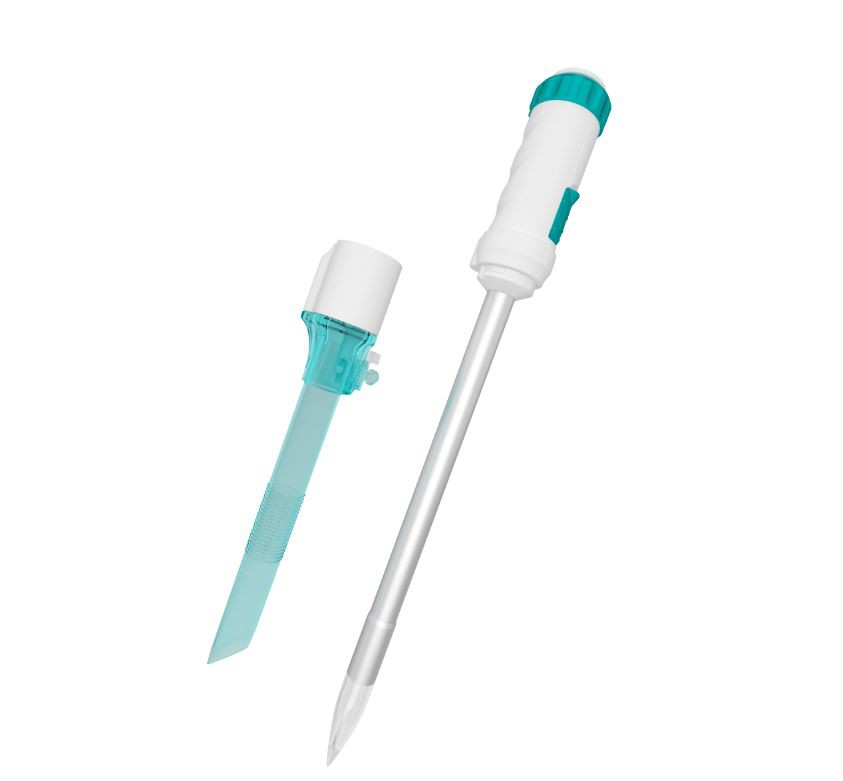
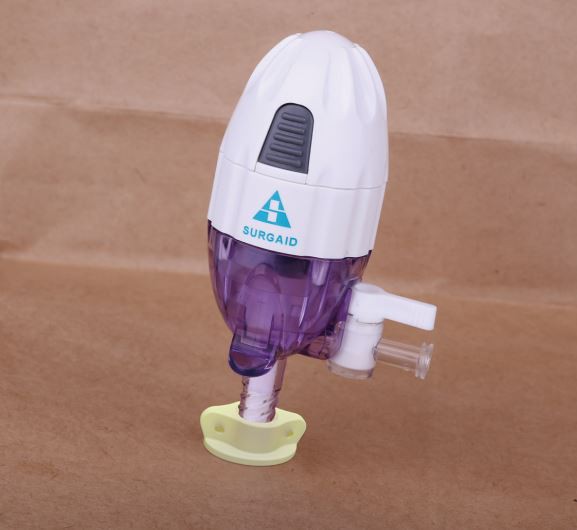
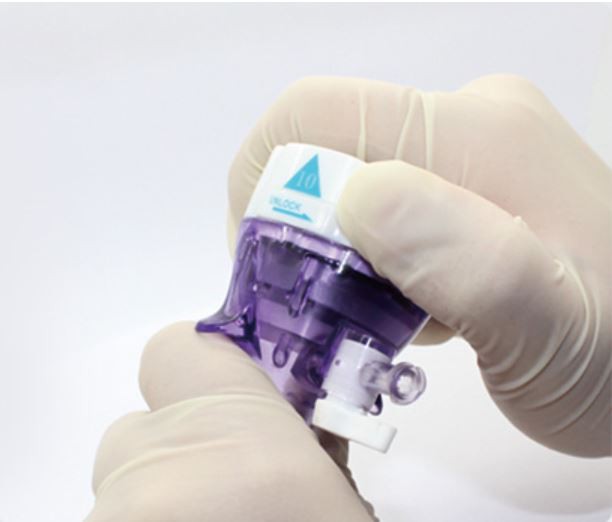
For more product information at https://www.surgaid-medical.com/