








What is the impact of laparoscopic surgery on the patient's body?
1. Respiratory system
During the implementation of laparoscopic surgery, carbon dioxide is used as an inflatable transmitter. In most cases, patients who use carbon dioxide pneumoperitoneum will show a series of pathological and physiological changes that affect their respiratory system. The main symptoms are increased intra-abdominal pressure, respiratory restriction and upward movement of the diaphragm, reduced tidal volume, increased airway resistance, and reduced alveolar function residual air volume
After the important organs in the body absorb carbon dioxide, the partial pressure of carbon dioxide in the arterial blood in the body will increase. When performing laparoscopic surgery, the position of the diaphragm will move up further due to the postural factors, making the changes in the respiratory system obvious, and even imbalance between lung ventilation and blood flow, causing atelectasis. When the level of pneumoperitoneum in patients with cardiopulmonary insufficiency is too high, it will show hypercapnia, acidosis, and even cause respiratory dysfunction.
2. Nervous system
Laparoscopic surgery due to the dual effects of head low combined with pneumoperitoneum will cause the patient's intracranial pressure to increase and cerebral perfusion pressure to decrease. In most cases, the combined application of most intravenous anesthetics, analgesics, and sedatives will further reduce cerebral blood flow and cerebral metabolism. The dosage of all volatile anesthetics is the main factor that causes dependent cerebral vasodilation. Studies have shown that, compared with sevoflurane combined with remifentanil anesthesia, when performing gynecological laparoscopic surgery under propofol combined with remifentanil anesthesia, the cerebral blood flow and intracranial pressure are significantly reduced after the patient's anesthesia induction, but after pneumoperitoneum Although the cerebral blood flow and intracranial pressure of the two groups were increased, there was no difference, indicating that the effect of pneumoperitoneum and body position on intracranial pressure was much greater than the effect of anesthetics on intracranial pressure. Therefore, patients with intracranial complications should avoid laparoscopic surgery.
3. Circulatory system
After the establishment of carbon dioxide pneumoperitoneum, if the abdominal pressure is maintained at >10mmHg (1mmHg=0.133kPa), the patient's stroke volume will decrease, and the decrease will be more obvious when the position of the foot is high and the head is low during the operation. If the patient's negative pressure is ≤12mmHg, the head-down posture tilt is less than 20°, and the arterial blood carbon dioxide remains <45mmHg, the patient's hemodynamics is in a safe range. The creation of carbon dioxide pneumoperitoneum will cause insufficient secretion of atrial natriuretic peptide in patients, increase in peripheral venous pressure and transfer of body fluids, as well as insufficient bleeding flux. Therefore, during the development of laparoscopic surgery, it is ensured that the patient maintains a low pneumoperitoneum pressure or intermittent decompression of the patient, thereby shortening the operation time. For patients with cardiopulmonary dysfunction or hypertension, we should carefully consider whether to choose laparoscopic surgery.
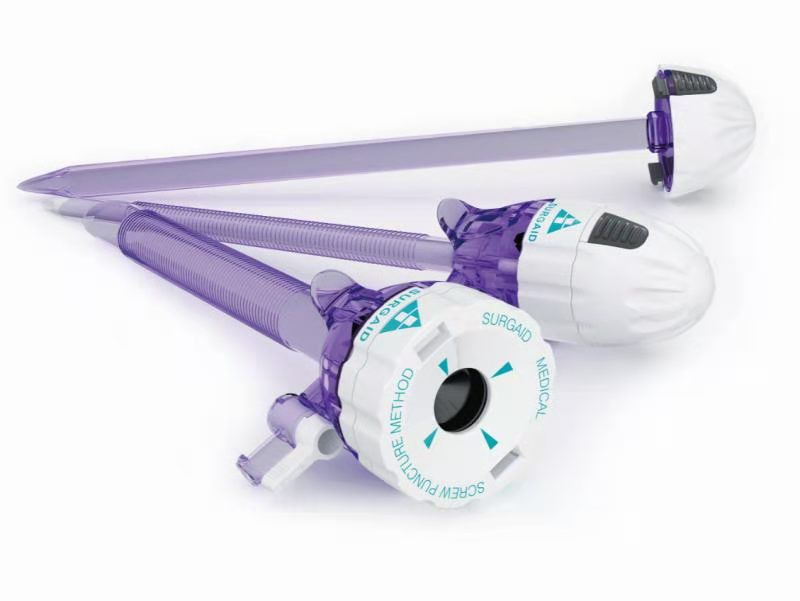
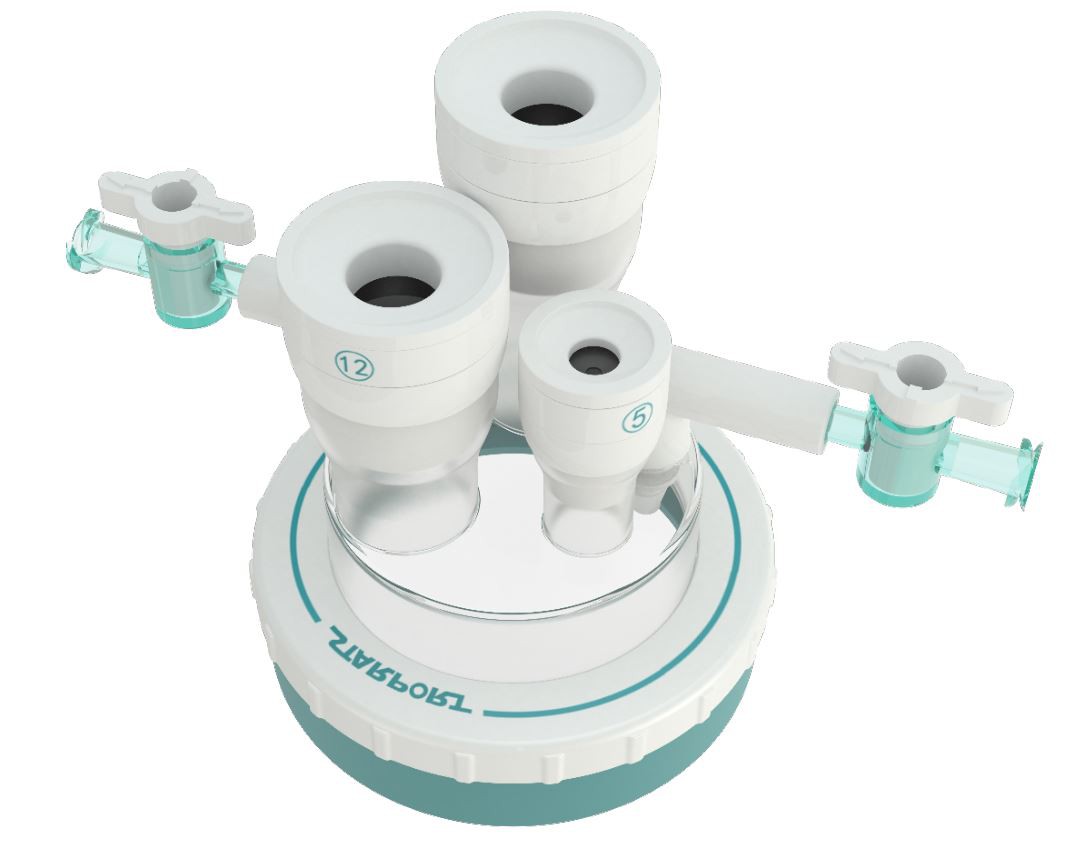
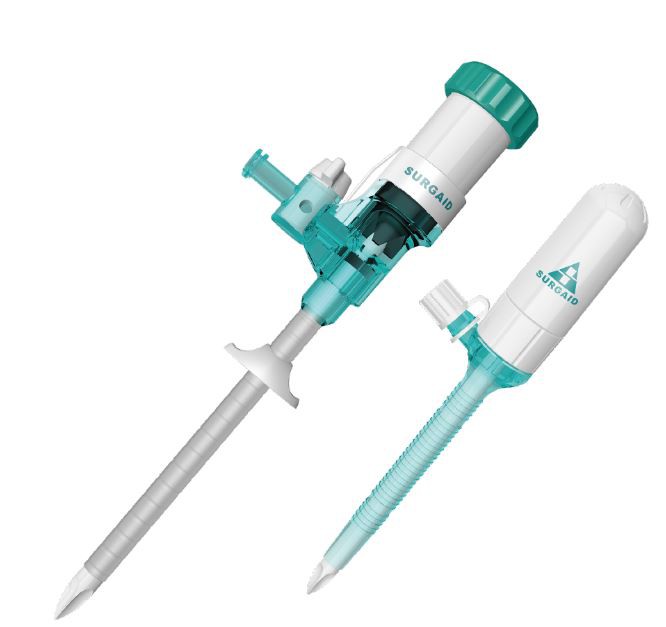
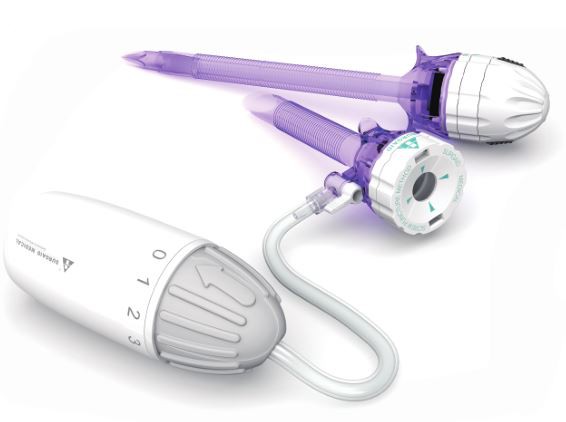
About Surgaid products:
For more product information at https://www.surgaid-medical.com/