








With the maturity of laparoscopic technology, many abdominal surgical procedures have entered the "Minimally Invasive Era". For example: laparoscopic appendectomy, laparoscopic radical colon cancer resection, laparoscopic myomectomy…Compared with traditional open surgery methods, laparoscopic surgery can provide the surgeon with a more comprehensive and clear surgical vision. At the same time, it brings the benefits of small incisions, less pain, and faster recovery to patients. But many patients often wonder: the previous surgical operations can be done with "local anesthesia" or "semi-anesthesia". How can the surgery be minimally invasive, but general anesthesia is required for anesthesia?
Before answering this question, let's briefly understand the general procedure of laparoscopic surgery. During laparoscopic surgery, the surgeon first needs to introduce a pneumoperitoneum needle into the patient's abdominal cavity, and continuously pump carbon dioxide gas into it at a certain pressure, to fully expand the abdominal cavity like a balloon to establish an artificial pneumoperitoneum. Provide sufficient surgical field and operating space; Then, the surgeon drills holes in the corresponding position of the abdominal wall according to the needs of the operation, and extends their "eyes"-laparoscope and operating instruments into the abdominal cavity for operation;
After the operation is completed, all the instruments are taken out, the carbon dioxide pumping is stopped, the gas in the patient's abdominal cavity is discharged, the wound is sutured, and the operation is over.
Now, we can explain why laparoscopic surgery needs to be performed under general anesthesia.
1. Surgery required
Unlike traditional surgical operations that are limited to the "one-acre three-quarters" of the incision and its vicinity, laparoscopic surgery "covers" the entire abdominal cavity, and its operating space and scope are wider, so the scope of anesthesia required is also wider. Unlike traditional surgical operations that are limited to the "one-acre three-quarters" of the incision and its vicinity, laparoscopic surgery "covers" the entire abdominal cavity, and its operating space and scope are wider, so the scope of anesthesia required is also wider.
2. Physical needs
In the artificial pneumoperitoneum state, the patient's intra-abdominal pressure rises, the diaphragm moves up, and the whole body muscles relax, making it difficult for the patient to breathe spontaneously. For safety, the anesthesiologist needs to intubate the patient's trachea and connect the anesthesia machine to assist breathing. At the same time, the increased intra-abdominal pressure under the artificial pneumoperitoneum compresses organs, blood vessels and nerves. Under this stimulation, if there is no intervention of anesthesia, the patient’s blood pressure and heart rate will rise sharply, greatly increasing the incidence of cardiac and cerebrovascular accidents risk.
3. Psychological needs
In addition to the discomfort caused by various operations, the unfamiliar environment in the operating room, the sharp alarm of the monitor and the sound of the collision of surgical instruments will make the patient nervous and anxious, and even unable to cooperate with the surgeon to complete the operation. In addition, in order to facilitate the operation, the surgeon needs to change the patient's position from time to time during the operation. Fixed on the operating table.
All in all, traditional surgical operation does not look at the large incision, but the actual scope of influence is limited to the incision and its vicinity; while laparoscopic surgery involves the entire abdominal cavity, and the actual scope of influence is wider than traditional surgery. Therefore, a wider range of general anesthesia is required.
Someone may ask: "Which method of anesthesia is best? Which is better, traditional surgery or laparoscopic surgery?" We believe that the best for you is the best. After all, everyone is unique. Before the operation, the surgeon and anesthesiologist will evaluate the patient in detail and develop a personalized surgical anesthesia plan that is most suitable for the patient!
Surgaid Medical (Xiamen) Co., Ltd
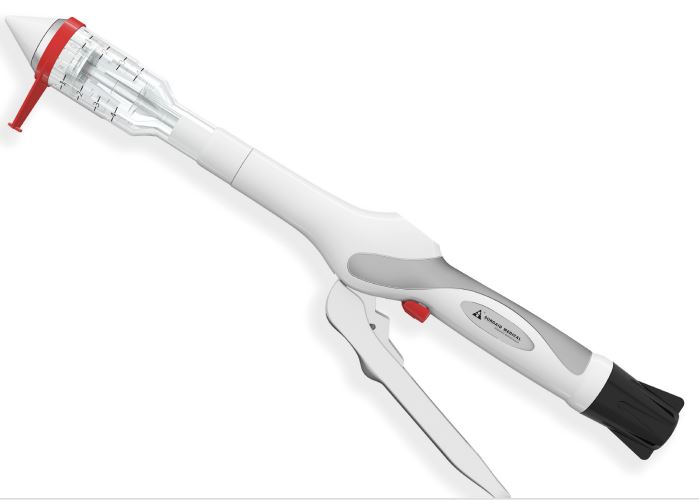
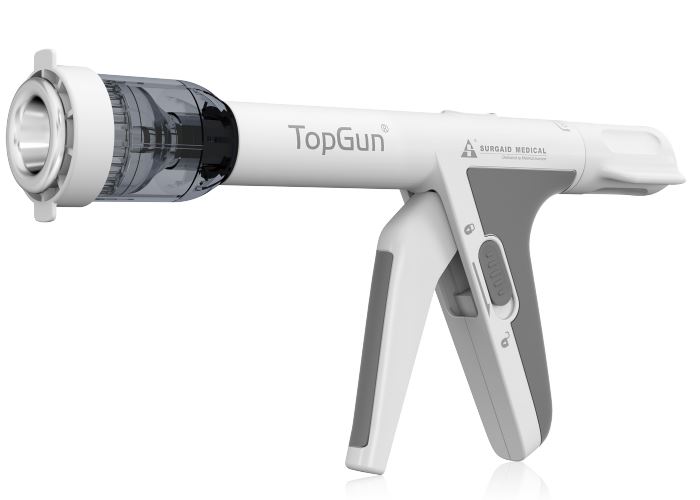
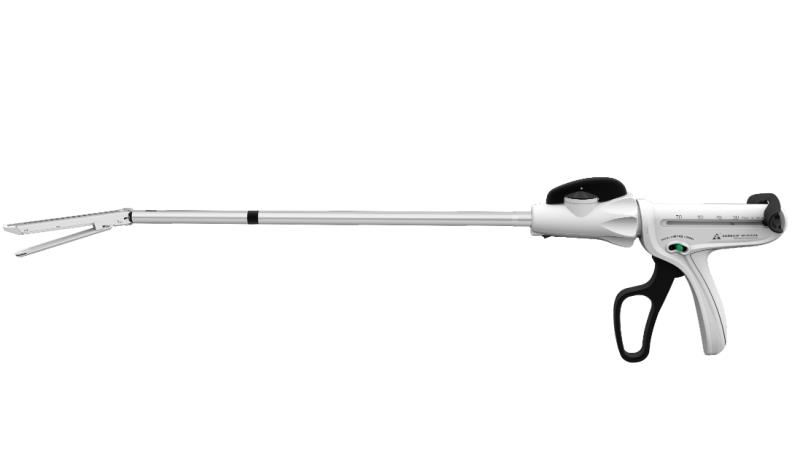
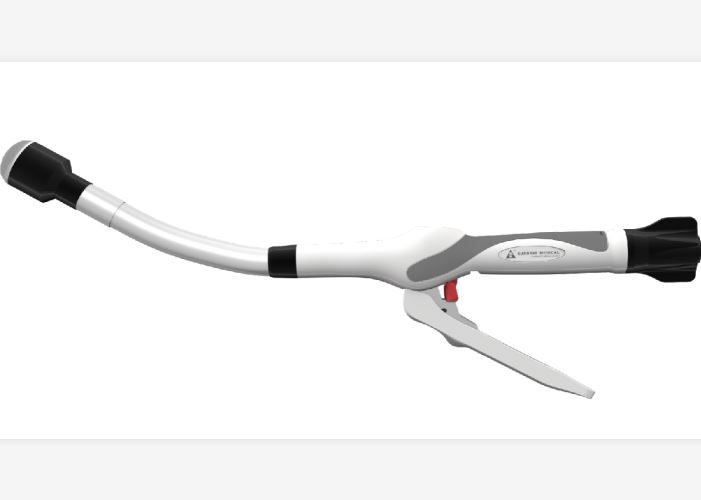
Surgaid Medical (Xiamen) Co., Ltd has been committed to surgical product development ,production and marketing for 10 more years . In particular, minimally invasive surgical products. Minimally invasive surgery is a surgical direction of development. Such as Disposable Laparoscopic Trocar, Linear Cutter Stapler, Circular Stapler, PPH, and so on.
Manufacturing our own Surgical products allows us to have complete control over the design and evolution of our products. We are able to adapt quickly to the constantly evolving healthcare market and offer high quality, single-use, cost-effective solutions that directly compete with global market-leaders.
Surgaid products:
For more product information at https://www.surgaid-medical.com