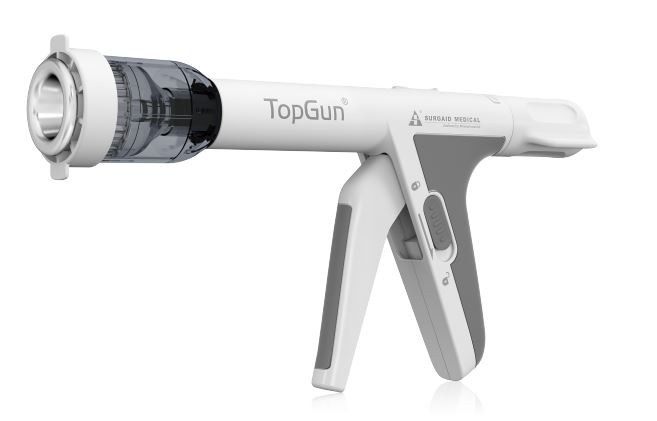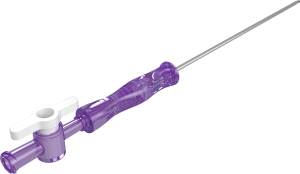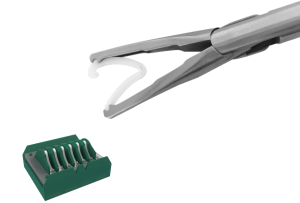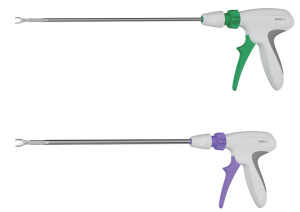








The advancement of surgical instruments promotes the continuous development of surgical technology. At present, the use of surgical staplers has brought huge benefits to doctors and patients, improved surgical techniques, and improved the quality of life of patients. In the field of surgery, the stapler has been comprehensively developed and advanced. It not only mechanizes the surgical operation, but also improves the safety of the surgical operation.
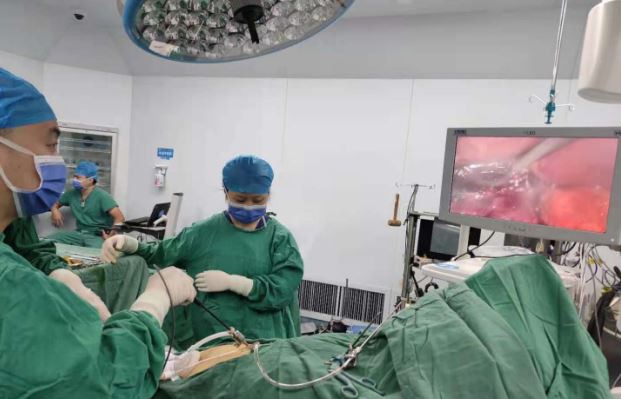
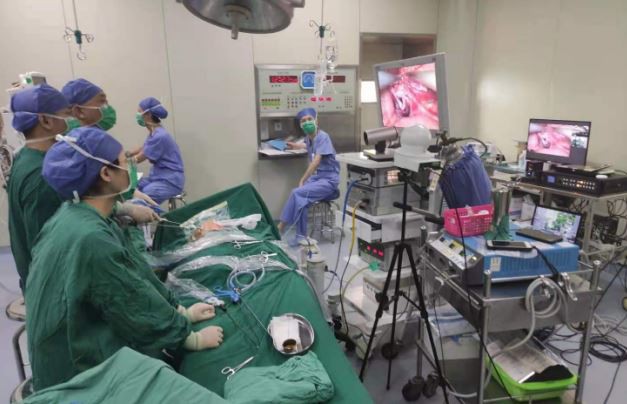
So in actual clinical work, what types of staplers are there? How to choose a stapler? Next, we will take you into the world of commonly used staplers.
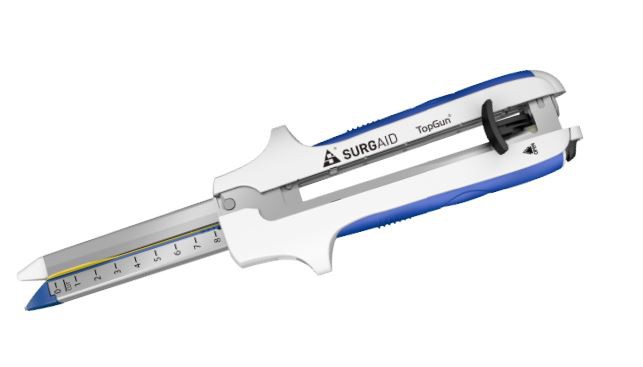
1. DISPOSABLE LINEAR CUTTER STAPLER AND RELOADS for open surgery
This kind of stapler can simultaneously drive three rows of cross-arranged staples on both sides of the tissue, and then use a push knife to cut and break the tissues that have been sewn on both sides to cut and suture the tissues. Suitable for thoracic surgery, general surgery, urology, obstetrics and gynecology, such as lobectomy, gastrointestinal anastomosis, etc.
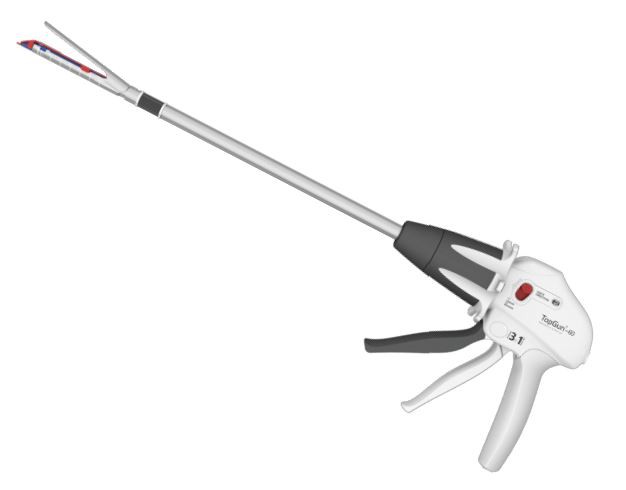
2. Disposable endoscope cutting stapler and components
Most laparoscopic head staple cartridges can change the direction to make them more flexible in the narrow operating space; at the same time, they are equipped with disposable safety devices to prevent the used staple cartridge from being fired again to ensure safe operation; at the same time, it is generous The front end of the staple cartridge is open, which is convenient for the incorporation of the organization; this type of stapler has 6 rows of staples, and there are blades in the staple box. The blade cuts the tissue from the middle when suturing, and 3 rows of staples on each side can complete the functions of suturing and hemostasis; in addition, there is now an electric endoscope closer, which is more convenient than manual operation when cutting. Note: Before loosening the suture device, remove excess tissue and organs that are expected to be removed along the edge of the suture device mouth. After disinfecting the stump with iodine, loosen and remove the suture device.
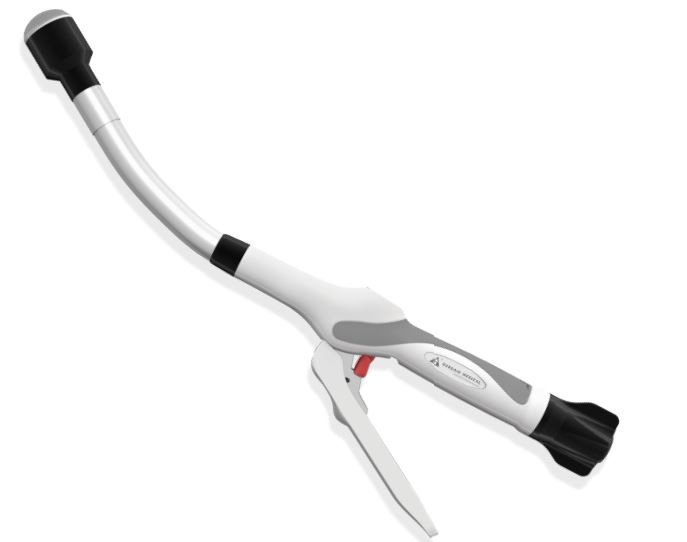
3. DISPOSABLE INTRALUMINAL STAPLER
For the anastomosis of various cavities, two rows of circular and cross-arranged staples can be driven into the cavities tissue to suture the two layers of cavities together. The built-in circular knife cuts off the excess tissue to form a circular anastomosis. , To complete the anastomosis of the cavity and canal. At present, it is mainly used for end-to-end anastomosis and end-to-side anastomosis of digestive tracts such as esophagus, stomach, and intestines.
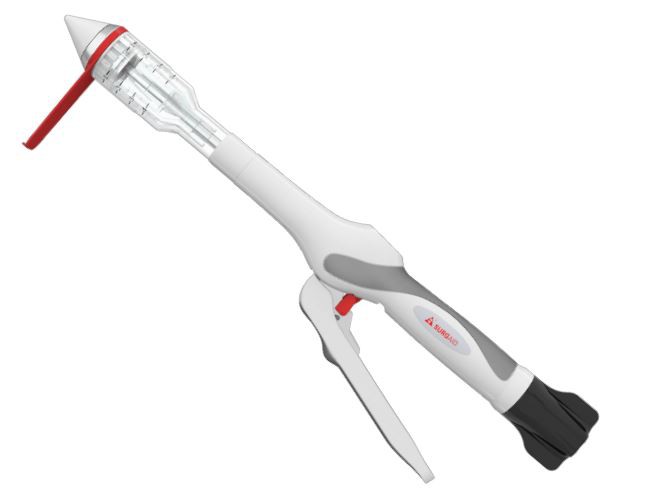
4. DISPOSABLE ANORECTAL STAPLER
It is suitable for the resection and anastomosis of rectal mucosal prolapse and hemorrhoidal mucosal tissue in the anorectal area. Reasonable anastomosis nail density reduces postoperative bleeding. According to the actual situation of tissue prolapse, the tissue cutting thickness can be adjusted. Larger staple cartridge space ensures that the diseased tissue can be accommodated and removed. There is a tissue protection gap between the staple seat and the staple cartridge, which can avoid tissue damage caused by excessive compression.
5. DISPOSABLE CIRCUMCISION STAPLER
Phimosis and excessive foreskin are a common and frequently-occurring disease in men, which can easily cause normal development of the penis, inflammation of the foreskin and head of the penis, pain during sexual intercourse, penile cancer, spouse gynecological inflammation and even cervical cancer. The effective treatment is to do circumcision as soon as possible Operation.
Compared with the traditional surgical method, the circumcision stapler can simultaneously complete the cutting and suture, the patient has less bleeding during the operation, the incision is healed quickly and the appearance is neat, avoiding the influence of human factors on the surgical effect, and the operation process is simple and greatly shortened Time for surgery.