







1. The epidemic has become a fluctuating normal, and no medical institution can avoid this "new normal"
From the current foreign trends and the frequent and occasional domestic situation, many experts are predicting that the epidemic will not disappear soon, and it is likely to show long-term small fluctuations.
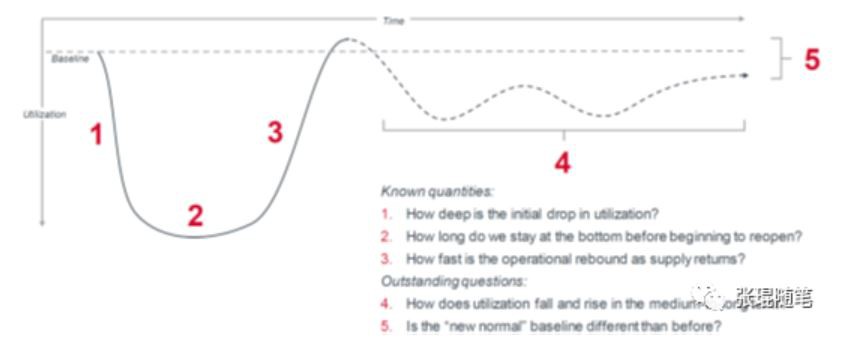
I very much agree with the advisory board's forecast of long-term small fluctuations. In the early stages of the epidemic, we were worried about how severe the impact on the medical industry would be. During the epidemic, we are worried about how long this blow will last. And during the first wave of the epidemic, we want to know how fast the retaliatory "consumption" of medical services that was suppressed during the epidemic will be? how long? At present, the new question we are facing is: What is the law of small fluctuations in the epidemic on the medium and long-term effects of the medical industry? What is the difference between the new normal of medical services and the old normal?
With the milder changes in the domestic epidemic situation and the overall rapid development of the medical market, I believe that under the new normal in Phase 4-5, the performance of some domestic medical institutions will be higher than in previous years. The decisive factors that trigger the ceiling height are the characteristics of the disease itself (is it really anxious), the ability to pay (is it affordable), and the supply capacity of medical services (is it possible to show it).
2. The epidemic has changed the disease spectrum, and medical institutions must respond as soon as possible
According to the theory of health economics, the occurrence of diseases is determined by many factors such as society, individuals, and genetics. Due to social and lifestyle changes such as catering, sports, social interaction, and work, the key factors that have a huge impact on health have changed. It is likely that a series of new specialized diseases will rise, while the incidence of some traditional common diseases will decrease. If hospital administrators change the diagnosis and treatment data of subspecialty diseases for each specialty line in 2020, it is easy to see these patterns.
To cite two examples, according to a report by Reuters, the number of adult outpatient visits in American hospitals during the epidemic dropped by 60%, especially in some blood sugar checks and regular cardiovascular checks. This will increase the pressure on the management of patients with chronic diseases in the later stage, such as more comorbidities and more severe cases. Among the three traditional outpatient clinics for children in my country, breathing, digestion and skin have all declined due to home isolation and reduced outdoor sports. However, myopia clinics, endocrine disorders, and oral problems have gradually increased.
Although the law of business growth and decline of each specialty line is different, there is a common trend that the main scenarios of medical services are migrated from inpatient to outpatient, from in-hospital to out-of-hospital, from offline to online, and from disease treatment to health intervention. And these trends will accelerate evolution in 2021.
3. Change of business thinking from what I have to what customers want
The operating characteristic of the seller’s market is that what I produce will be bought by someone. The corresponding operating habit is to start the business from the product and service provider. Because of the scarcity of medical resources, especially specialized medical resources with a relatively high level of technology, practitioners in the medical industry have been living in the seller’s market for a long time and generally develop a seller’s mindset. When it comes to subject development, the fixed routine is to find a good doctor first, develop a good project, and then look for the market and patients.
However, the market environment is changing, and competition in the medical industry will become increasingly fierce. Due to the epidemic, the number of patients in public medical institutions has dropped significantly, and even encountered operational difficulties. However, due to the advantages of medical resources, they will adopt more market-oriented operations to reduce maintenance and invade the private medical market. The private medical market is the most affected group during the epidemic, and a large number of institutions are already on the verge of life or death or have already broken their arms to survive. Internet giants have also seen huge opportunities due to the epidemic, and have accelerated into the online medical market. On the one hand, the payer has to control costs, and the hand is getting tighter and tighter, and at the same time, it will be more and more open, and the Internet medical treatment that was previously not covered by the reimbursement will be included. And so on, driving the medical industry to transform into a buyer's market. Customers have more choices, and the power of bargaining and being critical is greater.
In an increasingly fierce market competition environment, in 2021, our medical service providers can no longer use the logic of a seller’s market to operate, but design medical products and services based on the needs of customers.
4. Initiating online services from hospitals will accelerate, but it is difficult to become a climate
Many hospitals foresee future trends and actively develop or purchase Internet medical technology solutions, which played a huge role during the epidemic. It is expected that some applications will remain the norm, but they will not become the mainstream of hospital services. Because medical institutions are the vested interests of the traditional medical model, all organizational structures, business processes, and work coordination mechanisms are established in the traditional model, which is difficult Self breakthrough. Many of the Internet services of medical institutions that can be seen at present are fragmented, temporary, and unplanned business behaviors, lack of effective business models, lack of fixed investment operations, lack of long-term work plans, and are simply driven by policies or vendors Flicker's Internet hospital project will eventually be short-lived.
In 2021, the Internet industry or independent third-party platforms may have the opportunity to become the breakers. These breakers do not have the baggage of traditional business, have bold imagination, and focus on the business. This is the most important basis for success. For these institutions, the biggest challenge comes from business understanding and integration with traditional medical institutions. After all, pure online services have proven that it is unlikely to be sustainable in terms of problem-solving capabilities and legal compliance. Faced with these challenges, talents are the greatest resource. Talents here refer to core teams with experience in medical services and Internet industry technology and operations.
About Surgaid products:
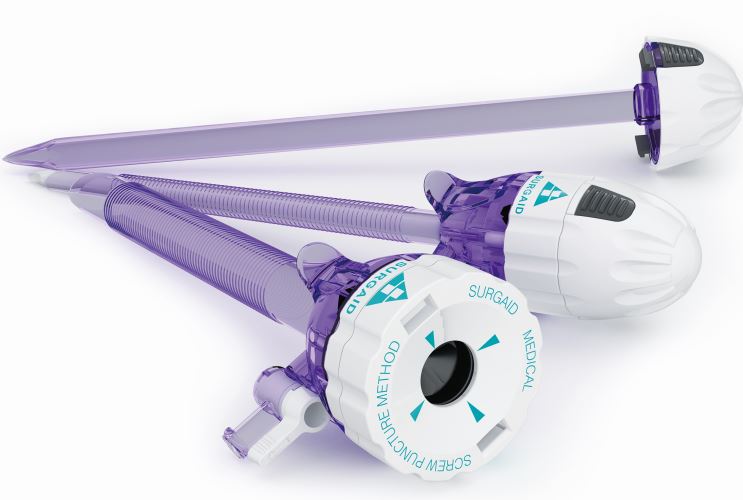
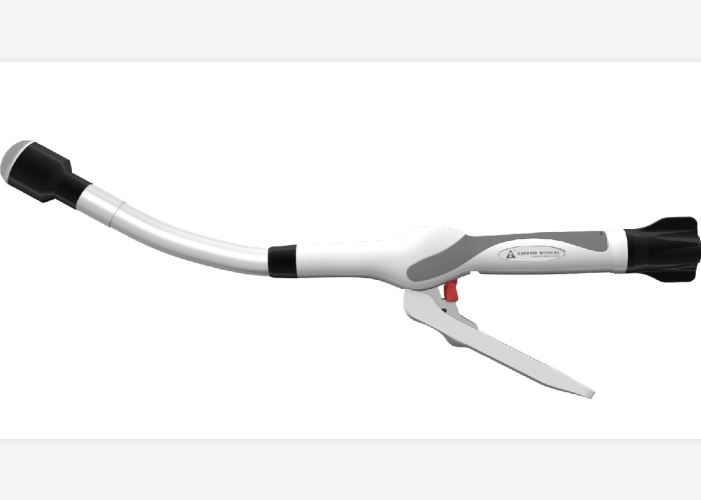
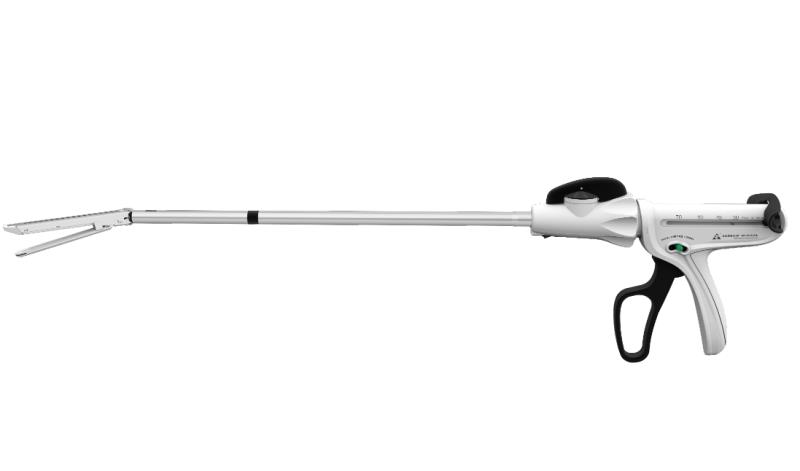
For more product information at https://www.surgaid-medical.com